 Cosmic
Cosmic horror is a kind of horror built on forces so vast and so indifferent to people that merely glimpsing them can break a mind. Readers also call it Lovecraftian horror, after the American writer H. P. Lovecraft, whose stories in the 1920s and 1930s gave the subgenre its shape. The fear here is not a monster in the closet. It is the suspicion that humanity is small, temporary, and beside the point.
Why readers are drawn to it
Ordinary horror asks whether the characters will survive. Cosmic horror asks a colder question: what if survival is not the important thing? That shift is what draws people in. The scale is enormous, and the unknown is left unknown instead of explained away. A good story in this mode makes the world feel wider and stranger than it did before, which is unsettling and, for many readers, thrilling.
There is also a quiet pleasure in the pattern. A scholar who reads too much, a town keeping a secret, a coastline where the water behaves oddly. Watching those signals gather into dread is a large part of the appeal.
What a cosmic horror story is made of
A few elements show up again and again.
- An incomprehensible force. It may be an entity, an intelligence, or a place. It is rarely evil in a human sense; it simply does not care.
- Human insignificance. The scale of the discovery dwarfs the people who make it, until their desires and morals stop mattering.
- Forbidden knowledge. Someone learns a truth that should have stayed buried, and the knowing costs them.
- A fragile mind. Sanity bends under the weight of what is learned, and the narrator often cannot fully trust their own account.
- No clean victory. The force cannot be beaten in any normal sense. At best it can be delayed, survived, or forgotten again.
How it shows up in different books
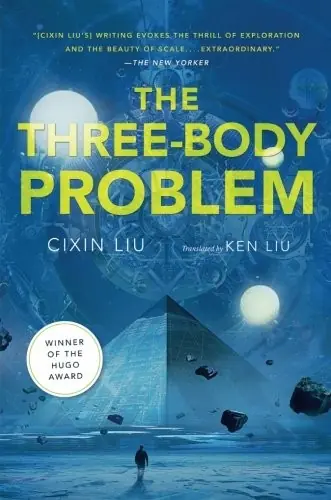
Cosmic horror does not need tentacles or an invented ancient tome. Some books reach it through science. “Blindsight” by Peter Watts sends a crew to meet an alien mind that shares almost nothing with ours, and the horror is intellectual as much as physical. “The Three-Body Problem” by Cixin Liu begins with a first contact that plays out across decades and leaves humanity facing a cosmos with no interest in being kind.
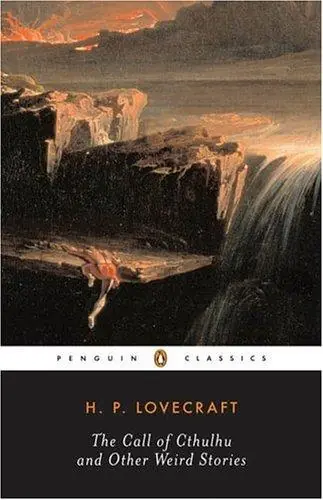
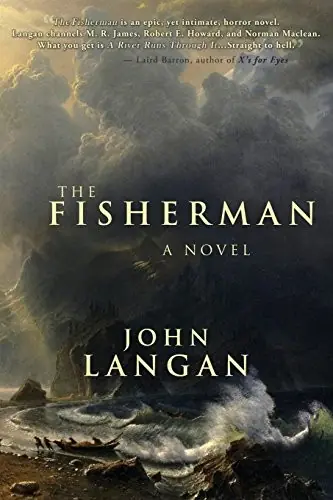
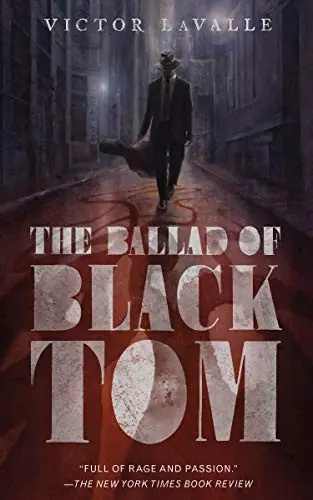
Other writers find it in history and grief. “The King in Yellow” by Robert W. Chambers, from 1895, built a whole mythology around a play that damages anyone who reads it. “The Call of Cthulhu and Other Weird Stories” gathers Lovecraft's key tales, where scholars and sailors glimpse buried civilisations and pay for it. “The Fisherman” by John Langan turns mourning for a lost wife into a meeting with something ancient at a fishing spot. “The Ballad of Black Tom” by Victor LaValle retells one of Lovecraft's most bigoted stories from a Black protagonist's point of view and reworks its cruelty into something sharper.
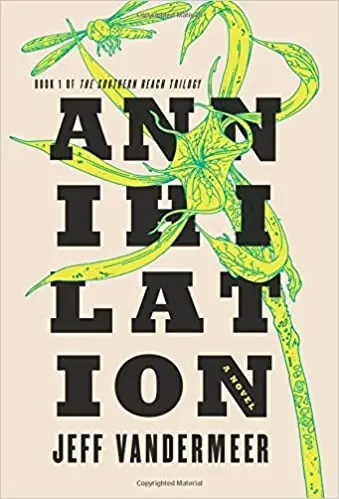
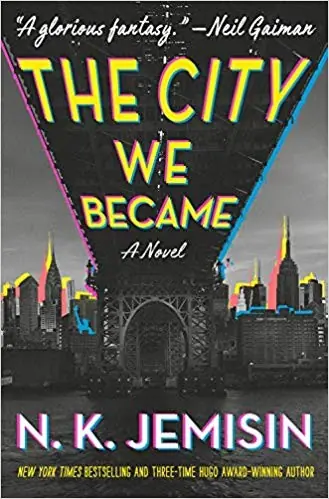
The mode also travels into cities and into our own time. “The City We Became” by N. K. Jemisin gives New York a living spirit and an invading force that spreads through the boroughs. “Annihilation” by Jeff VanderMeer sends an expedition into a sealed coastal region where the wildlife seems aware and the rules of biology begin to slip.
Outside the catalog, two older works are worth naming. "The Willows" by Algernon Blackwood turns a river journey into contact with something the travellers cannot name, and "The Great God Pan" by Arthur Machen is an 1890s story about an experiment that opens a door better left shut. Both shaped the tradition before Lovecraft named it.
Neighbouring tropes
Cosmic horror sits close to several others. creeping dread is its usual delivery system: the dread builds slowly instead of arriving all at once. forbidden knowledge supplies the plot engine, since the story often begins with someone who refuses to leave a question alone. When the body itself is remade by the alien, you are in body horror territory, as in parts of Annihilation. And when the meeting is with an intelligence from the stars, the story also belongs to first contact.
What some readers dislike
The same qualities that make the subgenre work can push readers away. Endings are often bleak or unresolved, and not everyone wants to finish a book feeling smaller. Because the threat is unknowable by design, some stories keep the monster off the page so long that the middle turns vague. The tradition also carries a problem: Lovecraft's own views were openly racist, and that ugliness shows in some of the original stories. Modern writers often answer it directly, which is one reason the field looks different now.
Where to start
If you want a short, sharp entry, try “The Ballad of Black Tom” or “The Fisherman”. If you prefer science fiction, “Blindsight” is a strong first step. For the roots of the whole tradition, open “The Call of Cthulhu and Other Weird Stories”.
Find books with the “Cosmic” trope
8 books in the catalog. Add and exclude tropes, filter by genre and year.
Search without “body horror”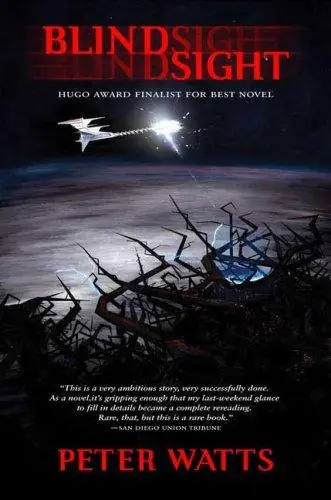
If you like the slower, quieter register more than the monsters, the article on creeping dread is a good next stop.
Frequently asked questions
What does cosmic horror mean in books?
It is horror about forces so vast and so indifferent that people cannot comprehend them. The dread comes from human insignificance and the unknown, not from gore or jump scares.
What is the difference between cosmic horror and regular horror?
Regular horror can often be survived or defeated, and its threat is usually evil in a human sense. In cosmic horror the force cannot really be beaten, and the story often ends unresolved or bleak.
Is Lovecraftian horror the same as cosmic horror?
Mostly, yes. Lovecraftian is the common name for the same subgenre, though cosmic horror also covers books with no Cthulhu-like mythology at all.
What should I read first?
Start with The Ballad of Black Tom or The Fisherman for something short. For science fiction, try Blindsight; for the roots of the tradition, read The Call of Cthulhu and Other Weird Stories.