 Fae
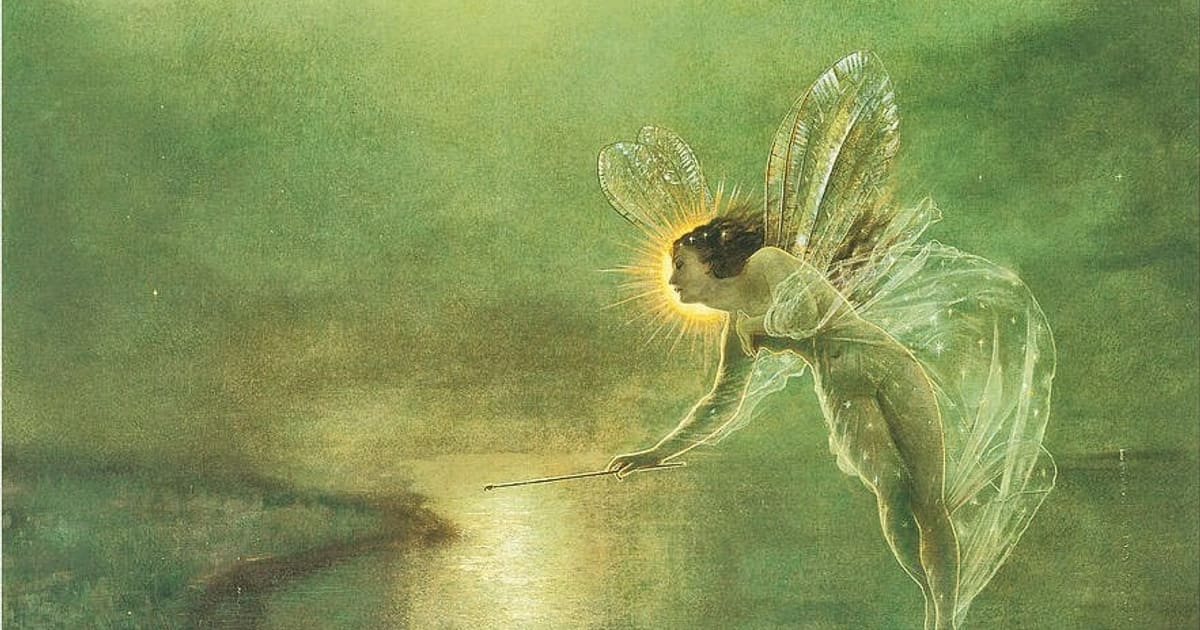
Fae books are stories about the fae, also called faeries or the Fair Folk: magical beings from another realm who can look human and still think in ways that are not human at all. The term covers folklore-inspired fantasy, portal fantasy, urban fantasy and fae romance, but certain ideas recur: courts, bargains, glamour and a price attached to every gift.
Why readers like fae books
Fae characters sit between beauty and threat. They can be charming and genuinely frightening in the same scene, and that uncertainty keeps a familiar story tense. A conversation at a feast can matter as much as a battle, because the wrong word may create a debt. Etiquette and old grudges turn court politics into combat, where a gift can carry more danger than a sword.
The rules do a lot of work. Many modern fae books give their characters restrictions: they cannot lie, must honor a bargain, cannot enter a home uninvited. Readers learn them with the protagonist and watch for traps. Iron, true names, food and time become plot devices rather than decoration.
What a fae book usually contains
Most fae stories begin at a threshold. A wall, a door, a ring of mushrooms or a hidden city separates the ordinary world from Faerie. The protagonist crosses it, or finds it was always close by, and must learn local customs.
Then comes the bargain. A favor, a debt, a stolen name or a bad-faith promise sets the plot in motion. The fae are bound by their own rules, which makes them dangerous: they may keep every promise and still ruin the person who made it.
Finally, there is a cost. Old folklore does not treat the fae as tiny winged helpers, and most modern books keep that edge. Gifts bind, favors come due later, and a stay in Faerie may outlast the same time at home.
Courts, bargains and other variations
The Seelie and Unseelie courts come from Scottish folklore, though fantasy writers reshape them. Some books use seasonal courts, with Summer and Winter as rivals. Others keep the fae in one city as a hidden society with its own police and criminals.
The tone varies. fairy tale retelling uses fae material to rebuild old tales. Urban fantasy puts courts behind ordinary streets. Cozy fantasy lets scholars and villagers deal with the folk. Romance is the largest branch and often borrows enemies to lovers, forbidden love and forced proximity.
Fae and elves are not interchangeable. Elves in fantasy often follow the Tolkien tradition of a noble, long-lived people. Fae is a broader folklore label, and it often implies trickery, courts and rules humans cannot safely ignore.
Fae books to start with
For romance with a cursed court, “A Court of Thorns and Roses” is the obvious entry point. Feyre is taken to the Spring Court after killing a wolf, and her hostility toward its high lord changes as she learns what the curse did to the land.
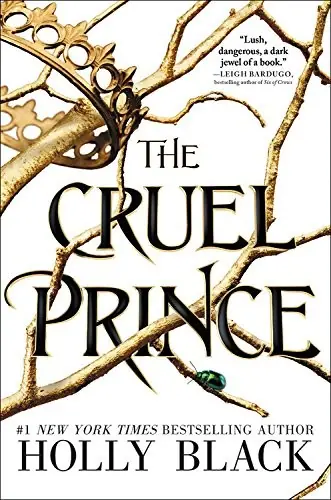
“The Cruel Prince” takes another route. Jude is a mortal raised among the fae, with no magic and plenty of resentment. Holly Black makes the court a place of schemes and careful alliances, and Cardan is another player rather than a romantic ideal.
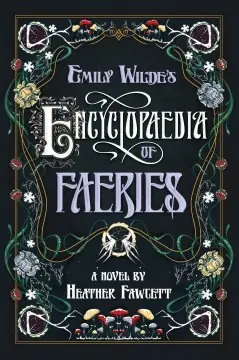
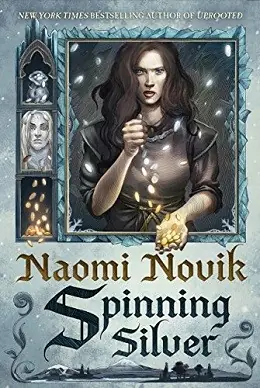
“Emily Wilde's Encyclopaedia of Faeries” is the quiet option: Emily is a prickly folklore scholar in a frozen northern village, and the fae are a research problem as much as a threat. “Spinning Silver” turns a bargain into a test of nerve when Miryem boasts she can spin silver into gold.
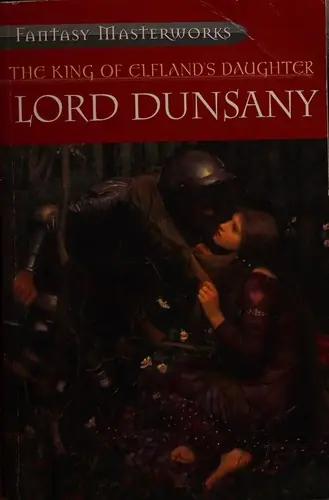
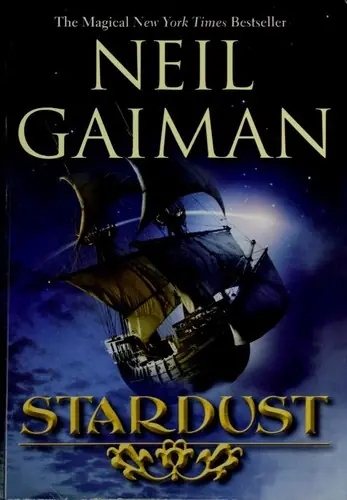
“Stardust” sends its hero over a wall into Faerie after a fallen star. “The King of Elfland's Daughter”, from 1924, is older and stranger: Alveric wins Lirazel, but the two worlds do not keep the same time.
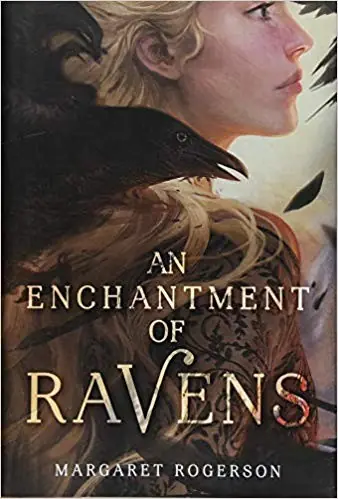
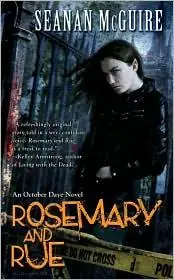
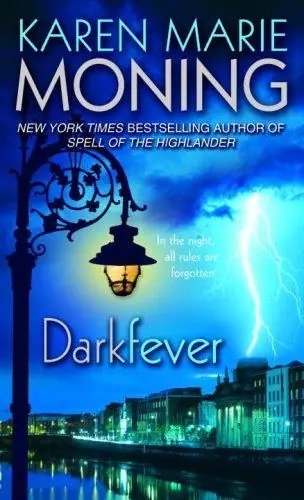
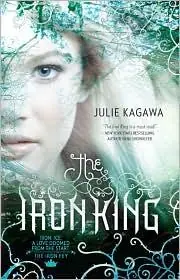
“The Iron King” is a portal story with Summer and Winter courts and a brother to rescue. “An Enchantment of Ravens” gives the fae a weakness: they cannot make art, and Isobel's portraits put her in danger. “Rosemary and Rue” is an urban mystery with a half-fae detective; “Darkfever” takes its heroine to Ireland, where seeing the fae is a dangerous gift.
Outside the catalog, "Lud-in-the-Mist" by Hope Mirrlees (1926) puts a trading town beside Fairyland and makes the old stories unsettling. "Jonathan Strange & Mr Norrell" by Susanna Clarke uses one fae gentleman to show how badly English magicians misunderstand the folk.
What can disappoint readers
Some fae books use the label as a costume. The characters have pointed ears and elegant clothes, but no rules, no court and no real difference from ordinary humans. The result is a romance in fancy dress.
Lore can become a list of exceptions. If iron works in one chapter and not the next, or a bargain matters only when the plot needs it, readers stop trusting the danger.
Another complaint is the cruel love interest. A fae character can be morally distant, but when control or humiliation is treated as proof of passion, some readers put the book down.
Series length matters too: many fae books are first volumes with cliffhangers, and readers who want a complete story may prefer a standalone.
How to choose your first fae book
Choose by tone. For court intrigue and romance, try “The Cruel Prince”. For a softer folklore story, try “Emily Wilde's Encyclopaedia of Faeries”. For a classic, read “The King of Elfland's Daughter” or “Stardust”. For a mystery in a modern city, try “Rosemary and Rue”.
Find books with the “Fae” trope
14 books in the catalog. Add and exclude tropes, filter by genre and year.
Open in search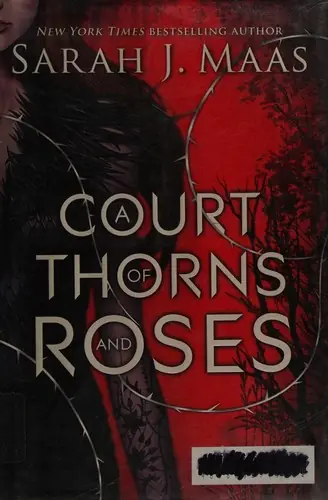
Whichever you pick, watch how the book handles its rules. The best fae stories make the reader feel that a promise is dangerous, a compliment is a test and the beautiful stranger across the table is counting something.
Frequently asked questions
What does fae mean in books?
Fae is a modern spelling of fairy or faerie, used for magical beings from Faerie. In books the word usually signals a courtly, folklore-inspired fantasy rather than tiny winged pixies.
What is the difference between fae and fairies?
Fairy is the older general word, and in Victorian art it often means a small winged creature. Fae is more common in current fantasy and usually points to human-sized, powerful beings with courts, bargains and their own morality.
Are fae books always romance?
No. Fae appear in mystery, portal fantasy, horror and literary fantasy. Romance is a large and popular branch, but several books on this list treat the fae mainly as a political or folklore problem.
What should I read first?
For romance and court politics, start with The Cruel Prince. For a gentle folklore story, choose Emily Wilde's Encyclopaedia of Faeries. For a classic, read The King of Elfland's Daughter or Stardust.