 Fated Mates
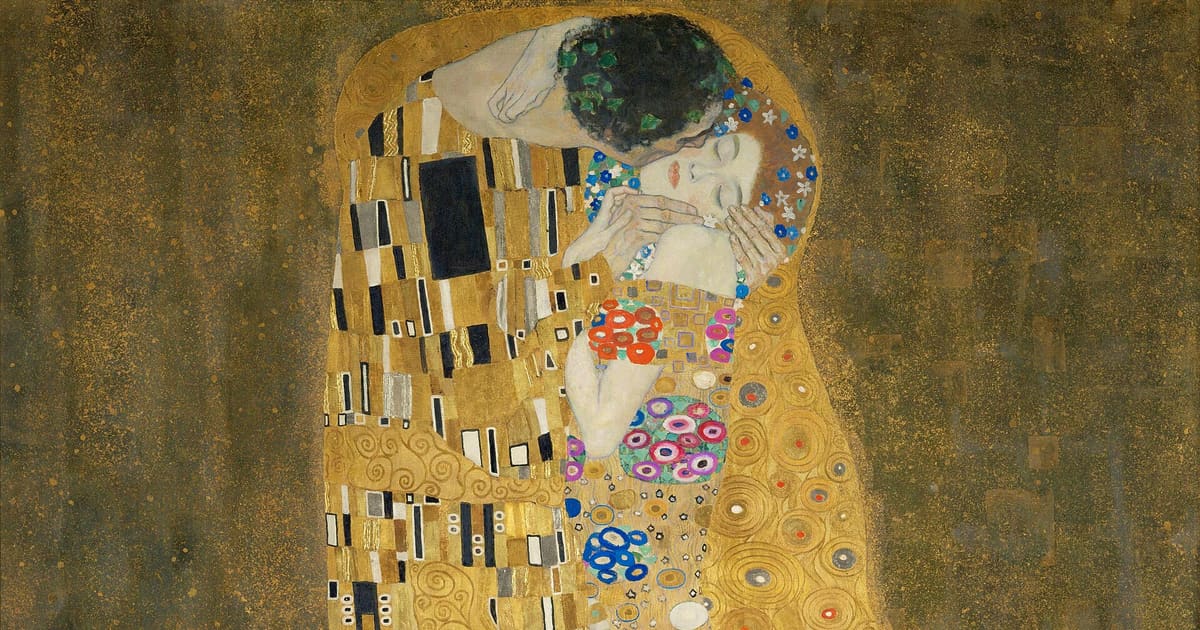
Fated mates, also called true mates, are two characters whom a supernatural bond or a prophecy has paired as partners. The bond may come from magic, biology, a god, or the rules of a fictional world, and it usually announces itself before either character is ready to accept it.
Why readers like it
The appeal begins with certainty. In a genre where couples spend whole books wondering whether they are loved, a mate bond says the answer is yes before the first kiss. Readers often describe this as the comfort of being chosen completely: no second-guessing, no fear that someone better will appear.
The tension comes from resistance. One character may hate the other, distrust the bond, or have plans that a mate would ruin. The body recognizes what the mind refuses, and every scene carries that split. A mate bond also gives an author a reason for intense physical awareness without making the characters shallow. The pull is a fact of the world, and the story is about what they do with it.
How the bond shows up in a story
Writers rarely leave the bond abstract. In shifter romance, scent or touch does the work: a wolf knows his mate before she says a word. Vampire and fae stories often use blood, dreams, or magic. Some worlds make the bond a political fact, with ceremonies, marks, and laws. Others keep it private, an ache that only the two characters feel.
Recognition is usually the first beat. Then comes the pull: the need to be near the other person, sometimes pain at separation. The couple may share thoughts, power, or a heartbeat. The final step is a choice, even if the choice is only to stop fighting. A good fated-mates novel keeps that choice meaningful. If the bond does everything, the lovers become passengers in their own story.
Variations and nearby tropes
- Shifter mates. The bond is tied to instinct, pack hierarchy, and often a physical mark. Werewolf romance uses this version most often.
- Rejected mates. One character refuses the bond, and the rest of the book deals with the damage. This variation adds groveling, estrangement, and a second chance.
- Enemies with a bond. The couple are on opposite sides of a war, which overlaps with enemies to lovers. The bond makes the political conflict personal.
- Political or arranged bonds. A mating treaty can work like a marriage of convenience, with duty and diplomacy pressing the couple together.
- Mythic matches. Gods, spirits, or prophecies choose the pair, as in retellings and fantasy inspired by folklore.
Fated mates differs from star-crossed lovers. In star-crossed romance, the lovers choose each other and the world refuses them. In fated mates, the world has already chosen, and the lovers must decide whether to accept it. The trope also pairs well with slow burn and forced proximity, because both give the bond time and friction.
Examples in the catalog
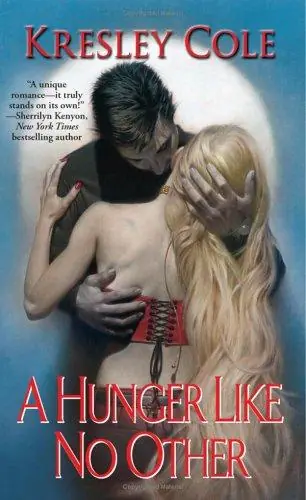
The catalog's clearest starting point is “A Hunger Like No Other” by Kresley Cole. Lachlain, a werewolf king, is certain that Emmaline is his mate. She is half vampire and wants no part of his war. The bond is immediate, the trust is not, and the book uses that gap for most of its tension.
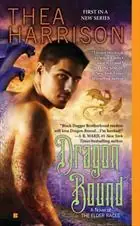
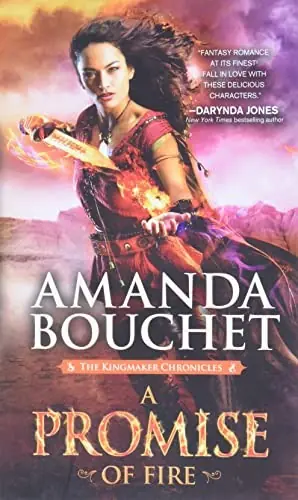
“Dragon Bound” by Thea Harrison does something similar with a dragon who recognizes Pia as his mate after she steals from him. “Kiss of Midnight” by Lara Adrian places the bond inside a vampire war, where Lucan's attraction to Gabrielle is as dangerous as the enemies around them. “Wicked Lovely” by Melissa Marr makes the bond a royal duty: the Summer King searches for a queen, and Aislinn wants to remain ordinary. In “A Promise of Fire” by Amanda Bouchet, Griffin takes Catalia captive and finds that fate has its own plans for captor and prisoner.
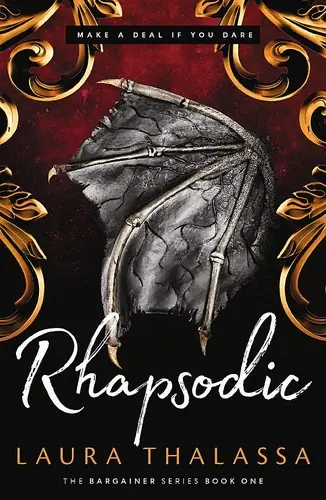
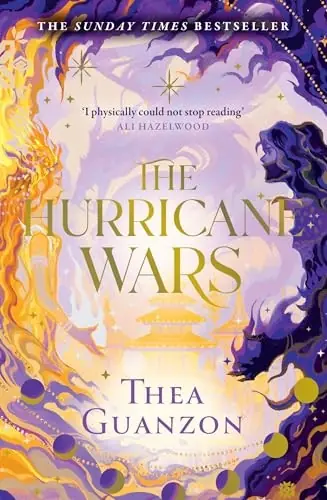
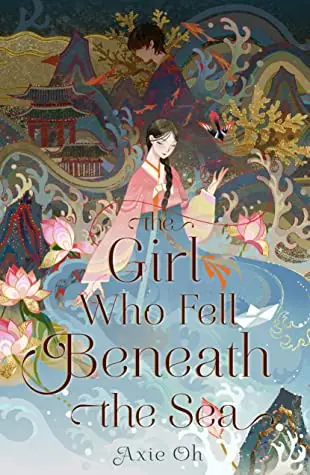
Recent romantasy uses the trope with political stakes. “The Hurricane Wars” by Thea Guanzon binds Talasyn and Alaric through powers that answer to each other, while their countries remain at war. “Rhapsodic” by Laura Thalassa ties an old bargain to a bond that Callie has spent years ignoring. “The Girl Who Fell Beneath the Sea” by Axie Oh draws on Korean myth, where Mina's sacrifice and the Sea God's waiting create a gentler, slower version of destiny.
Outside the catalog, Nalini Singh's "Slave to Sensation" (2006) puts the mate bond at the center of her Psy-Changeling series, and Ruby Dixon's Ice Planet Barbarians series turns it into a biological event called resonance.
What some readers dislike
The most common complaint is consent. If the bond overrides a character's wishes and the book treats that as romantic, some readers find it uncomfortable, especially when a hero is possessive or ignores a refusal. Others dislike how quickly the emotional work is skipped. A couple can be declared right for each other before they have had a real conversation, and then only the timing of the kiss is left.
Rejected-mate plots add conflict, but they can become repetitive when every book follows the same cycle of hurt, regret, and grand apology. Some readers also tire of the alpha-shifter formula: growling, claiming, and a pack that treats a woman as property. The same structure can support a tender story or a dark one, and covers, content notes, and reviews usually signal which.
Where to start
For a classic paranormal romance, start with “A Hunger Like No Other”. For urban fantasy with vampires, try “Kiss of Midnight”. Readers who want fae politics can go to “Wicked Lovely” or “Rhapsodic”. Those who prefer romantasy at war should pick “The Hurricane Wars”. If you want a softer, mythic version, “The Girl Who Fell Beneath the Sea” is the one.
Looking for a fated-mates romance without a love triangle?
6 books in the catalog. Add and exclude tropes, filter by genre and year.
Search without “love triangle”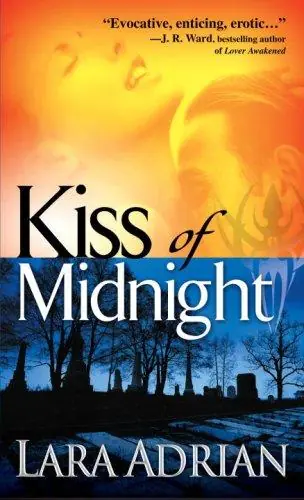
Frequently asked questions
What does fated mates mean in books?
It is a romance trope in which a supernatural bond, magic, or destiny declares two characters to be partners. The bond is usually recognized before either character is ready to accept it, so the story is often about resistance as much as attraction.
Is fated mates the same as soulmates?
Not quite. Soulmates can simply be two people who suit each other deeply, especially in contemporary romance. Fated mates usually involves a visible mechanism inside the fictional world, such as scent, magic, a god, or a biological reaction, and the characters often cannot ignore it.
Do fated mates books always have a happy ending?
Most books marketed as romance end with the couple together, because that is the genre's promise. Fantasy and paranormal novels that borrow the trope may end differently. If a guaranteed happy ending matters to you, check the book's genre and reviews before you start.
What should I read first?
For paranormal romance, start with A Hunger Like No Other by Kresley Cole or Dragon Bound by Thea Harrison. For recent romantasy, try The Hurricane Wars by Thea Guanzon. For a softer, mythic version, read The Girl Who Fell Beneath the Sea by Axie Oh.