 Locked Room Mystery
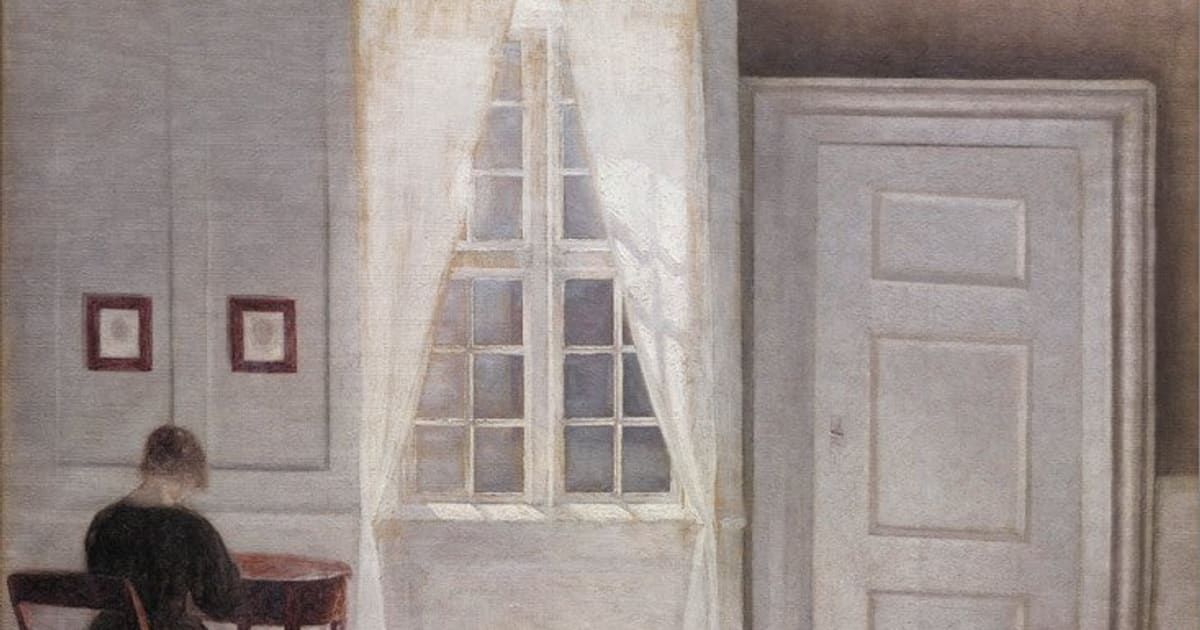
A locked room mystery, also called an impossible crime, is a crime that seems to have happened with no way in or out: a body in a room bolted from the inside, a passenger stabbed in a locked compartment, a theft from a vault that was never opened. The puzzle matters less for who did it than for how it could be done at all.
Why readers like an impossible crime
The appeal is the fairness of the puzzle. Classic examples hand the reader the same clues the detective sees: the barred window, the single key, the fresh snow with no footprints. When the solution is honest, a careful reader can reach it first, and the moment the trick is explained feels earned.
The trope also works on a quieter level. A sealed scene forces the detective to reason from small physical details, so the story leans on observation and logic instead of chases. Readers who like to be outsmarted, and then shown exactly how, keep coming back.
How a locked room mystery is built
Most examples share the same frame:
- A sealed scene. The room, carriage, or compartment is locked, watched, or otherwise impossible to enter and leave.
- A body and no exit. There is a victim, and the evidence says nobody could have reached them.
- A patient detective. Someone, often an amateur with an unusual mind, refuses the easy answer.
- A closing explanation. The detective gathers the suspects and shows how the impossible was done.
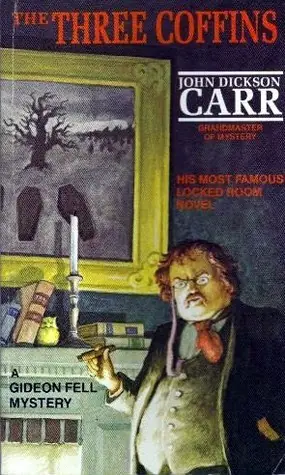
In John Dickson Carr's The Three Coffins, the detective Dr. Gideon Fell even stops to list the ways such a crime can be staged, a scene later writers still echo.
Variations and neighbouring tropes
The literal locked room is only one shape. The crime can be a disappearance, a theft, or a death in an open space that nobody could have crossed unseen. When the impossibility comes from a group cut off together, the story blends into the cozy mystery, where the suspects are gathered in a house or a village and the detective works through them one by one.
Because the how often matters more than the who, the trope sits close to the eccentric detective, whose odd habits and sharp eye carry the case, and to the twist ending, since a good solution rearranges what the reader thought they saw. It is not the same as a plot built on a faked death or mistaken identity, though either can hide inside a sealed-room story.
Examples: from Poe to the present
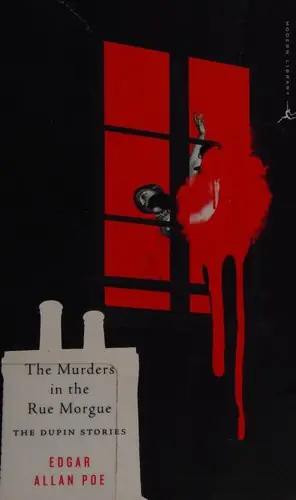
The form begins with “The Murders in the Rue Morgue”, Edgar Allan Poe's 1841 story of a mother and daughter found dead in a locked Paris apartment. It is often named the first locked room mystery, and it set the model of a detective who solves the case by reasoning alone.
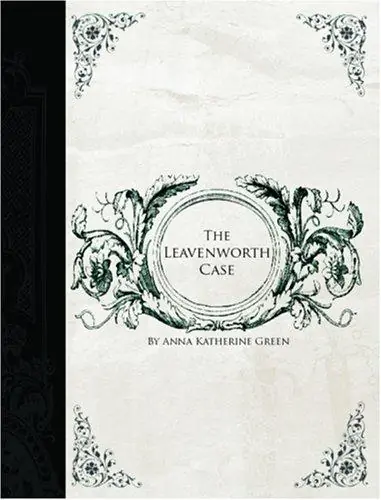
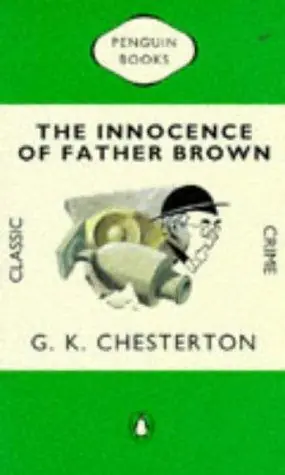
The pattern spread through the century. “The Leavenworth Case”, Anna Katharine Green's 1878 novel, puts a shooting in a locked mansion library and became one of the first American detective novels. “The Adventures of Sherlock Holmes” gives Arthur Conan Doyle room for several sealed-room cases, including the well-known "The Adventure of the Speckled Band". “The Innocence of Father Brown” collects Chesterton's stories of a mild priest who solves impossible crimes that puzzle the police.
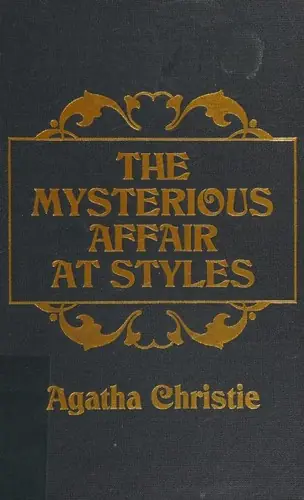
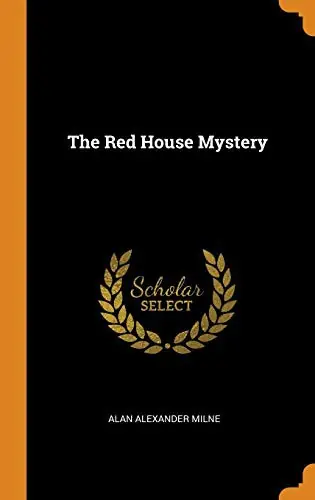
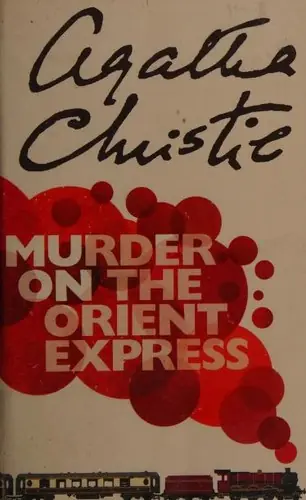
The Golden Age of the 1920s and 1930s made the trope a staple. “The Mysterious Affair at Styles”, Agatha Christie's first novel, seals a country house around a poisoned woman in a locked bedroom. “The Red House Mystery” has A. A. Milne stage a shooting in a locked room and a vanished host. “Murder on the Orient Express” moves the idea onto a stranded train, where the closed circle of passengers matters more than a literal lock. And “The Three Coffins” is the genre's showcase: a locked study, snow with no footprints, and a detective who explains the whole method.
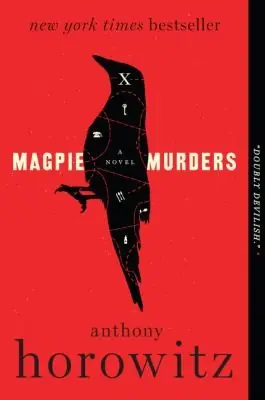
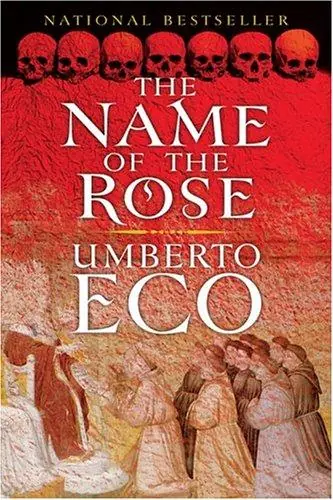
Later books keep the puzzle alive. “The Name of the Rose” sets a series of deaths inside a medieval abbey and its maze of a library. “Magpie Murders” hides a country-house locked-room puzzle inside a manuscript that an editor is reading, so the reader solves one crime while another unfolds around her.
Outside the catalog, Gaston Leroux's "The Mystery of the Yellow Room" (1907) is another landmark, and Japanese writers such as Soji Shimada carried the tradition into the 1980s with dense, puzzle-first novels.
What can go wrong
The trope lives or dies on its solution. If the trick turns on a fact the reader never had, or on a detail sprung at the last page, the sealed room feels like a cheat rather than a puzzle. Some readers also tire of setups where the method is solved but the characters stay thin, or where a modern setting full of cameras and phones makes an impossible room hard to believe. The best examples keep the trick clean and the people worth watching.
Where to start
If you want the origin, read “The Murders in the Rue Morgue”. For a short, sharp introduction, try the impossible cases in “The Innocence of Father Brown”. For the full Golden Age puzzle, go to “The Three Coffins”. And if you would rather begin with a modern one, “Magpie Murders” is a good place.
Find books with the “Locked Room Mystery” trope
10 books in the catalog. Add and exclude tropes, filter by genre and year.
Search without “cozy mystery”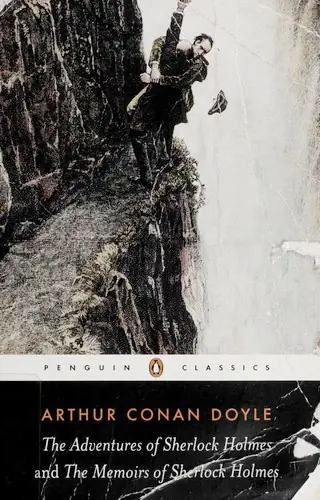
You can also browse a longer shelf at once:
.
Frequently asked questions
What does locked room mystery mean in books?
It is a crime that seems impossible to commit, usually a murder in a room locked or sealed from the inside. The reader gets the same clues as the detective and is invited to work out how the crime was done, not only who did it.
What is another name for a locked room mystery?
It is often called an impossible crime, and older criticism sometimes uses the word howdunit. A closed-circle mystery, where a group is cut off with the killer among them, is a close relative but not the same idea.
How is a locked room mystery different from a closed-circle mystery?
A locked room mystery turns on an impossible method, such as a body in a room sealed from within. A closed-circle mystery turns on a limited list of suspects in an isolated place. The two often appear together, but the puzzle they set is different.
What should I read first?
Start with The Murders in the Rue Morgue by Edgar Allan Poe for the origin, or The Three Coffins by John Dickson Carr for the classic Golden Age puzzle. For something recent, Magpie Murders by Anthony Horowitz is a good choice.