 Love Triangle
A love triangle in books is a setup where two people want the same person, who has to choose between them. Readers also call it a romantic triangle or describe a character as torn between two love interests. The rivals can be friends, strangers, or a spouse and someone new, and the choice almost always leaves one of them hurt.
What a love triangle actually is
The shape matters. One person sits at the point where two competing attachments meet: two suitors both want them, or a character already in a relationship is pulled toward someone else. That is not the same as a chain, where A loves B, B loves C, and C loves somebody else. Most readers reach for the term only when two people are genuinely in the running for one.
The situation is unstable by design. With two candidates and one answer, something has to give. Books settle it in a few familiar ways: the central character picks one suitor, or the losing suitor steps aside, turns out to be wrong for them, or is removed from the story altogether. Some writers refuse the easy ending and let nobody get what they want.
Why readers like it
A triangle turns ordinary scenes into quiet contests. A conversation carries a second layer, because two people are watching the same person and noticing different things. The reader plays along, chooses a side, and that private loyalty is a large part of the pull.
There is a second reason. The choice is often between two lives as much as two people: the safe marriage or the uncertain one, the home town or the wider world, duty or desire. Watching a character work out what they actually want, and pay for it, is more interesting than watching them simply meet the right person.
How the trope is built
- Two real options. Each suitor has to appeal for a genuine reason, so the answer is not obvious from the first page.
- A centre who can choose. The character between them needs enough freedom, and enough honesty with themselves, for the decision to mean something.
- A reason to stay close. A competition, a shared journey, a small town or a war keeps all three in the same rooms.
- A turning point. One option stops being theoretical, and the story has to resolve the tension it has built.
Variations and neighbouring tropes
- Steady against dangerous. One suitor is familiar and kind, the other is unpredictable and new. The contrast is old enough to have its own name in comics.
- The friend and the newcomer. Often overlaps with friends to lovers, where a long friendship finally turns romantic.
- A marriage at the centre. The married character pulled toward someone else shades into forbidden love, and the cost is social as much as personal.
- The suitor who never gets an answer. The quiet, patient rival sits close to mutual pining.
- All three at once. When everyone is willing, the conflict dissolves and the triangle becomes a triad. Readers keep the two terms apart, because jealousy is what makes a triangle work.
Love triangle books to start with
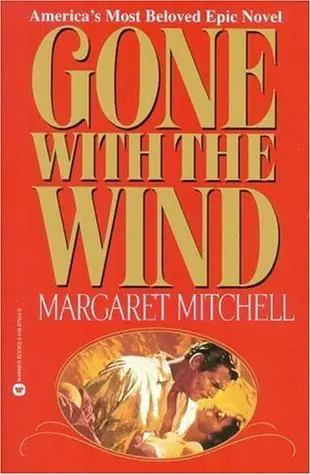
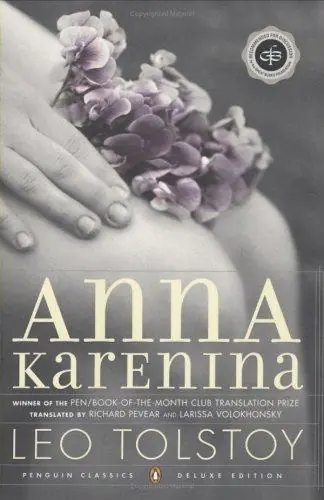
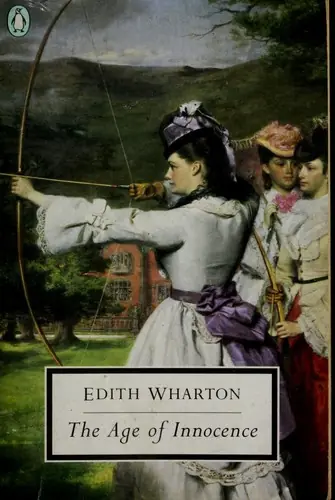
In “The Great Gatsby” Jay Gatsby builds a fortune and a house full of parties to win back Daisy, who is married to Tom Buchanan; the choice she faces is between a man and the life he can afford her. “Gone with the Wind” runs the idea across a whole war, as Scarlett O'Hara chases the gentle Ashley while Rhett Butler waits for her to see him. “The Age of Innocence” puts the decision under the strictest social rules, with Newland Archer engaged to May while drawn to her cousin, the Countess Olenska. “Anna Karenina” shows the darker version, where the triangle forms around a marriage and the price is paid in public.
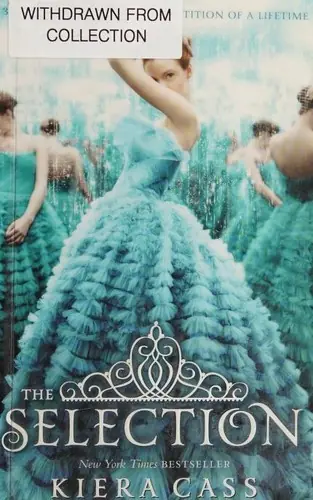
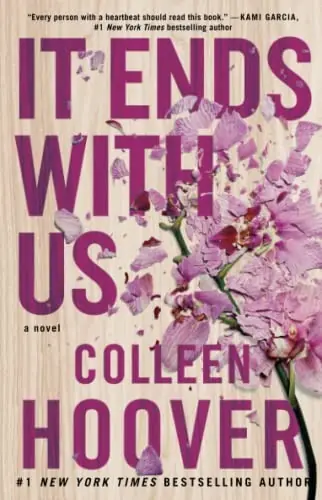
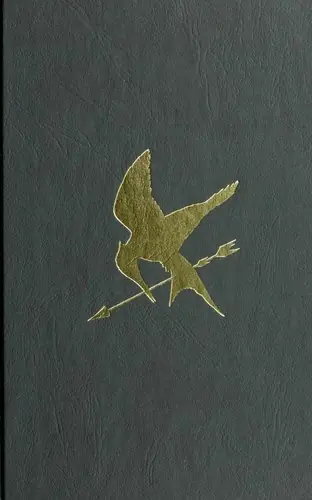
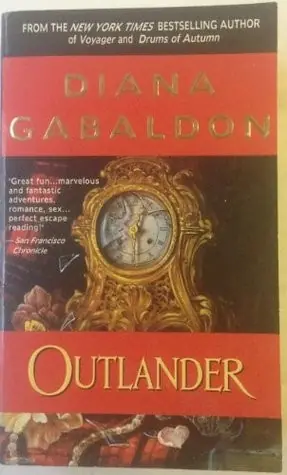
Recent fiction leans on the same tension. In “Outlander” Claire is torn between the husband she left in 1945 and the Highland warrior she marries in 1743. In “The Hunger Games” Katniss Everdeen is caught between Peeta and Gale while a country watches. “The Selection” sends America Singer into a royal competition while she still loves a boy back home, and “It Ends with Us” sets Lily between the man she marries and the first love who returns.
A few more to compare:
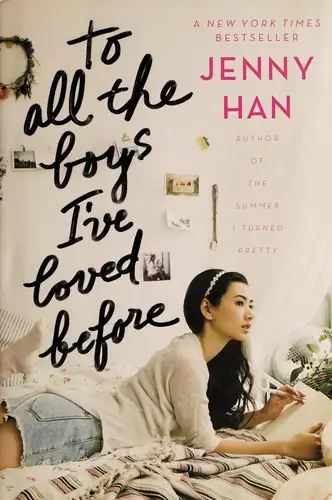
To All the Boys I've Loved Before
Jenny Han
2014
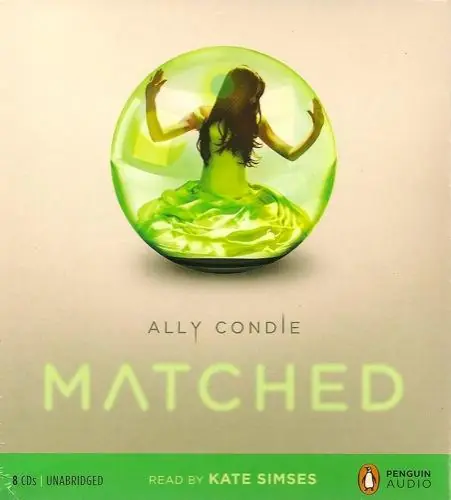
Matched
Ally Condie
2010
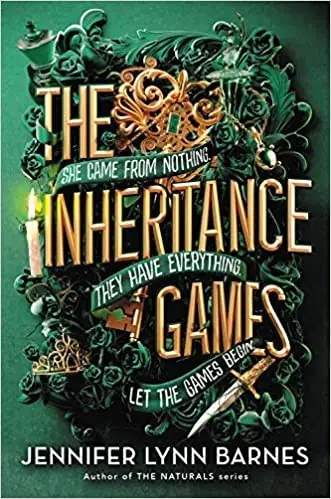
The Inheritance Games
Jennifer Lynn Barnes
2020
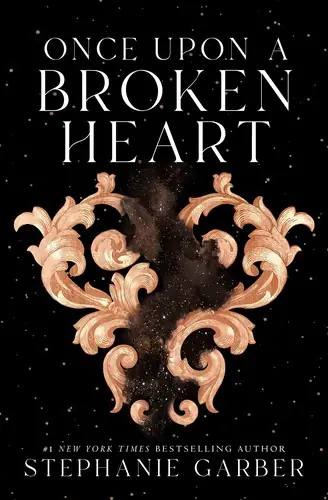
Once Upon a Broken Heart
Stephanie Garber
2021
Looking for a love triangle without the fate and separation?
41 books in the catalog. Add and exclude tropes, filter by genre and year.
Search without “star-crossed lovers”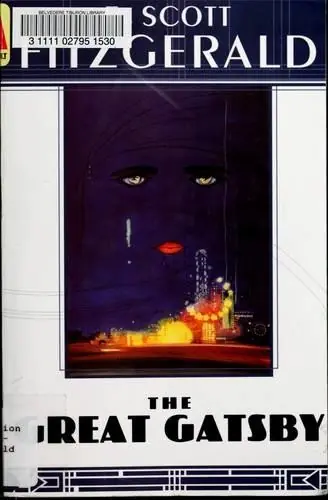
What some readers dislike
- A centre who never chooses. If the character keeps both suitors guessing for too long, patience runs out and the tension turns into frustration.
- A rival who exists only as a delay. When one option is clearly there to pad the plot and is dropped early, the choice stops feeling real.
- Death as a tidy solution. Removing a suitor so the couple can be together can read as a cheap escape from the decision the book promised.
- The obvious answer. If one suitor is plainly wrong from the start, the reader is just waiting out the pages.
For a first book, pick by mood. A classic like “The Age of Innocence” gives you restraint and consequences, while “The Selection” or “The Hunger Games” give you the trope at full speed. Either way, decide early which suitor you are rooting for: half the pleasure of a love triangle is losing the argument with yourself.
Frequently asked questions
What does love triangle mean in books?
It is a setup where two people want the same person, and that person has to choose between them. The rivals may be friends, strangers or a spouse and a lover, and the choice usually hurts someone.
Is a love triangle the same as a polyamorous relationship?
No. In a triangle the two suitors are in conflict and one choice has to be made. When all three are willingly involved, readers call it a triad instead, and the jealousy that drives a triangle is gone.
What is the difference between a love triangle and star-crossed lovers?
A triangle is built on a rival. Star-crossed lovers are kept apart by an outside force such as family, war or fate, and often there is nobody else for them to choose between.
Which love triangle book should I read first?
For a classic, The Age of Innocence shows the choice under social pressure. For something faster, The Hunger Games and The Selection both put a young heroine between two very different people.