 Marriage of Convenience
A marriage of convenience is a marriage made for practical reasons — money, a title, citizenship, or duty — rather than love. Readers also search for it as an arranged marriage or a contract marriage, and the story usually follows the same arc: two people sign up for a partnership they expect to feel nothing about, then slowly start to feel everything.
Why readers keep coming back
In most romance novels, the wedding is the finish line. Here it is the starting gun. The couple are bound together before either is ready, so the book spends its pages on what readers enjoy most: the change from strangers or opponents into people who cannot imagine anyone else.
The arrangement also builds in its own tension. There is no easy way out, no chance to walk away after a bad dinner. Characters forced to share a home, a name, and a routine keep running into each other, so every small courtesy or argument lands differently. A wife who swears she will never care about her cold husband still notices when he defends her in public. Watching someone pine for a person they are already married to is the engine of the whole trope.
How the trope is built
Most versions share a handful of parts:
- A real need on both sides, ideally for different reasons: money or an heir for one, a home, a reputation, or an escape for the other.
- Clear terms. Separate bedrooms, an end date, a promise of no feelings. The rules matter because they will be broken.
- Shared daily life. Meals, travel, family visits, and work push the two together long enough for curiosity to start.
- Small breaks in the rules. A kindness, a moment of jealousy, a hand on a back at the wrong time.
- A choice. Once the feelings are real, the convenience must be set aside for an honest decision.
Variations and nearby tropes
The trope changes shape with the genre. In historical romance, inheritance clauses, heirs, and reputation make marriage the only respectable way to keep a family afloat. Contemporary versions use modern reasons: a green card, a business deal, a will that pays out only to a married heir. Fantasy and political settings use it for alliances, where a wedding can stop or start a war.
It also sits close to other tropes. Layered with enemies to lovers, the marriage becomes a cage the two cannot leave, which makes every fight sharper. Combined with forced proximity, the shared house does most of the work. When the couple start as friends, as in friends to lovers, the arc turns gentler. Because the feelings arrive slowly, it pairs naturally with slow burn.
One distinction is worth keeping straight. A fake dating is usually not a real marriage — the couple pretend and can walk away. A marriage of convenience is legally binding, and that permanence is what raises the stakes.
Books that show it well
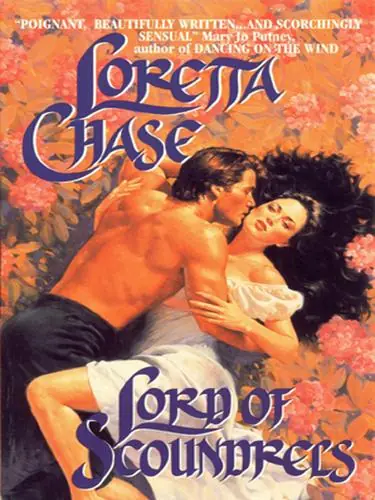
The trope is old enough to have classics. In “Outlander”, Claire Randall is stranded in 1743 Scotland and marries a Highland warrior to stay safe. “Lord of Scoundrels” turns a battle of wills into a scandal, a duel, and a marriage neither party wanted. “The Bride” sends an Englishwoman north to marry a Scottish laird as part of a peace deal.
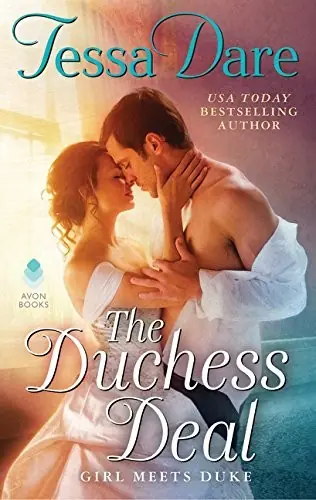
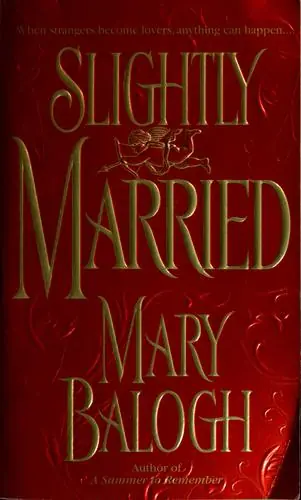
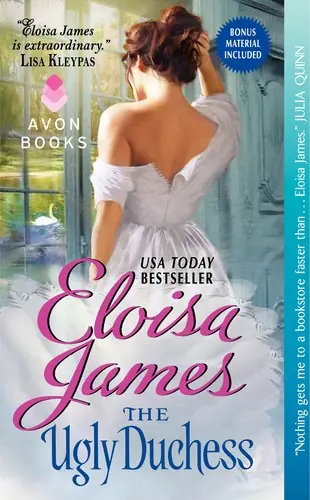
Regency romance keeps the trope alive. In “The Duchess Deal”, a scarred duke who needs an heir offers a plain marriage to a seamstress, who accepts only on her own terms. “Slightly Married” is a marriage in name only, made to protect a dying soldier's sister. “The Ugly Duchess” weds two childhood friends to save their families, then has to survive a betrayal.
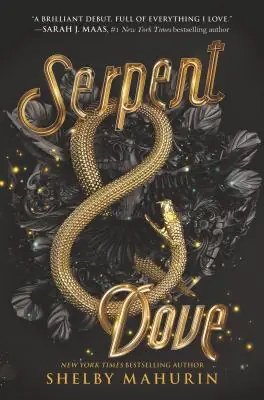
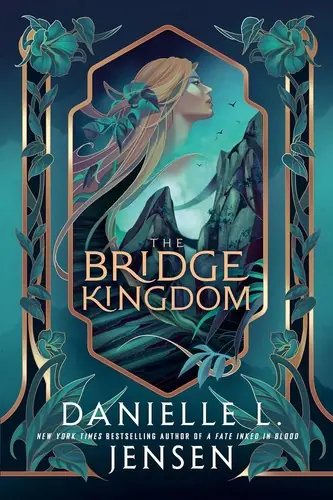
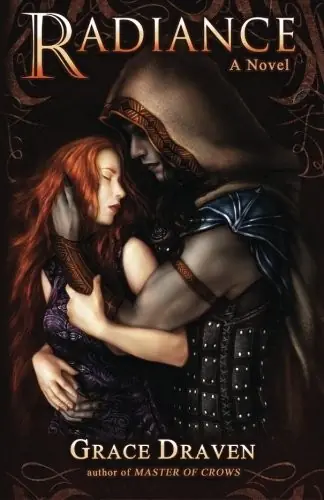
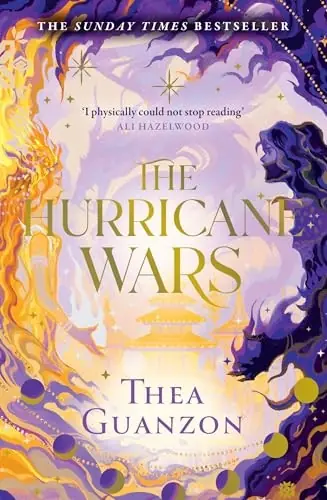
Modern and fantasy novels supply new motives. “The Wall of Winnipeg and Me” turns a football star's immigration problem into a quiet arrangement with his former assistant. In “Serpent & Dove”, a witch and a witch hunter are bound by an act neither planned. “The Bridge Kingdom” marries a trained spy to the king she was raised to destroy. “Radiance” pairs two people who each find the other ugly. “The Hurricane Wars” forces rulers to bind two sworn enemies in a marriage neither can refuse.
Outside the catalog, two novels by Georgette Heyer helped define the trope for romance readers: The Convenient Marriage (1934) and A Civil Contract (1961).
What can put readers off
The most common complaint is a marriage that is not really convenient. If both characters secretly want each other from the start, the obstacle feels fake and the tension drains. Readers also dislike arranged marriages sold as this trope when the couple never agreed, and plots where the rules fall in one scene without earning it.
Tone matters too. In darker or historical settings, duty and power imbalances can tip into coercion, and some readers dislike seeing that framed as romance. Check descriptions and reviews beforehand if that concerns you.
Where to start
Want a marriage story without a love triangle?
16 books in the catalog. Add and exclude tropes, filter by genre and year.
Search without “love triangle”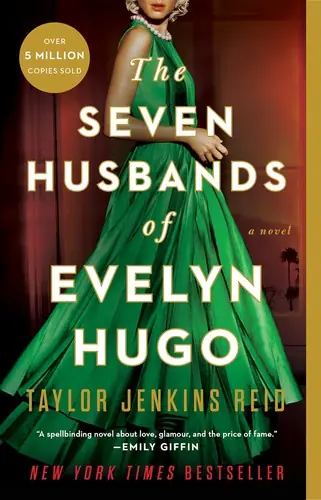
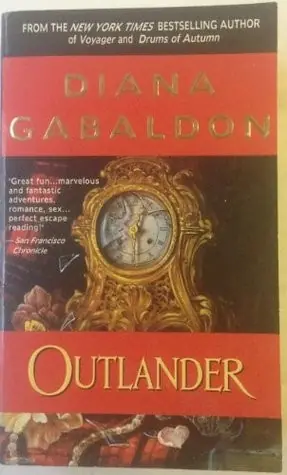
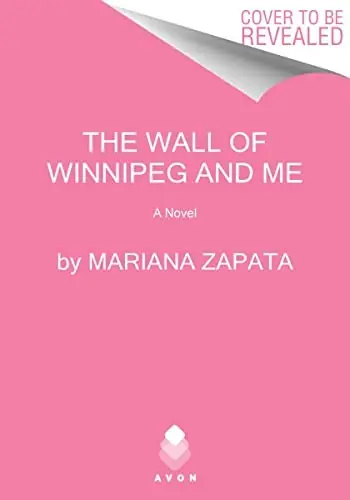
If you like historical settings, start with “Outlander” or, for something lighter, “The Duchess Deal”. For a modern story, try “The Wall of Winnipeg and Me”. In fantasy, begin with “Radiance”, where the couple build friendship first, or “The Bridge Kingdom” for danger. Readers who want the marriage tangled up with open rivalry should look at enemies to lovers.
Frequently asked questions
What does marriage of convenience mean in books?
It means two people marry for practical reasons such as money, a title, citizenship, or family duty, and then fall in love after the wedding. The marriage is real or at least legally binding; the feelings are what develop later.
What is the difference between a marriage of convenience and an arranged marriage?
Both can start without love, but the usual split is who makes the deal. In an arranged marriage a family or a state decides for the couple. In a marriage of convenience the couple strike the bargain themselves and each expects to gain something.
Is a marriage of convenience the same as fake dating?
No. Fake dating is a performance the couple can end whenever they choose. A marriage of convenience is a legal union with real consequences, and that permanence is what makes the situation tense.
Which marriage of convenience book should I read first?
For a classic, start with Outlander by Diana Gabaldon. For a light Regency, try The Duchess Deal by Tessa Dare. For a modern story, The Wall of Winnipeg and Me by Mariana Zapata is a good place to begin.