 Mythology Retelling
A mythology retelling is a book that takes a myth, a god, or a hero from an older tradition and tells it again in a new form. The change can be a fresh narrator, a modern setting, or a viewpoint the original left out. Greek myth retellings are the most common, but Norse, Egyptian, Indian, Chinese, Korean, and West African stories now have their own shelf. Readers searching for "mythology books" or "Greek myth retelling" are usually looking for exactly this.
Why readers are drawn to it
Myths are shared property. A reader opens a retelling already knowing roughly who the characters are and how the story ends, and that familiarity changes the experience. The interest moves from what happens to how and why it happens, so the author can spend more pages on voice, motive, and atmosphere.
Retellings also give voice to the people the old versions pushed aside. Wives, servants, monsters, and the defeated often carried the plot without ever speaking in it. Putting them at the centre is one of the reasons these books keep finding new readers.
How a myth retelling works
Most retellings are built from the same few parts. There is a source myth or a cluster of myths, a fixed moment or a known ending that the reader recognises, and a deliberate shift that makes the old material new.
That shift is usually one of these:
- A new point of view. The story is told by a character who barely appeared in the original.
- A move in time or place. The gods walk through a modern city instead of Olympus.
- A change of tone. A tragedy becomes a romance, or a heroic tale turns into a quiet family story.
- A question the source never asked. Why did this character choose what they chose, and what did it cost?
Variations and neighbouring tropes
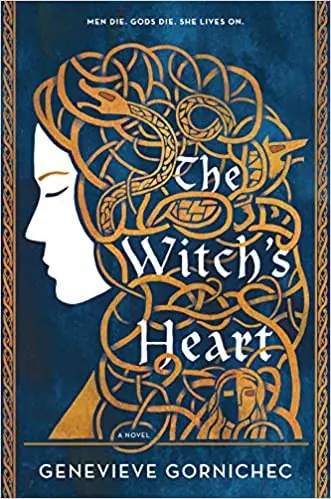
The tradition is wider than Greece. Norse myth has its own growing shelf, as in “The Witch's Heart”. Retellings that bring old gods into the present overlap with urban fantasy, while those set among temples and heroes sit closer to ancient world and epic fantasy. When a mortal turns out to have divine blood and a destiny, the book often borrows from chosen one. Retold fairy tales form a separate but related group, covered by fairy tale retelling.
Classic and recent examples
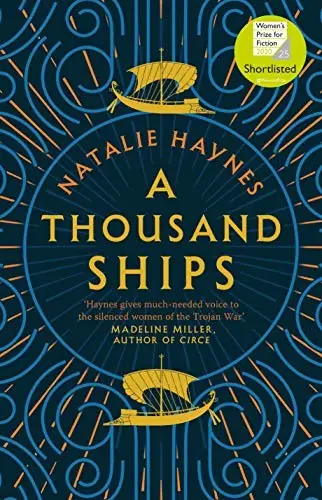
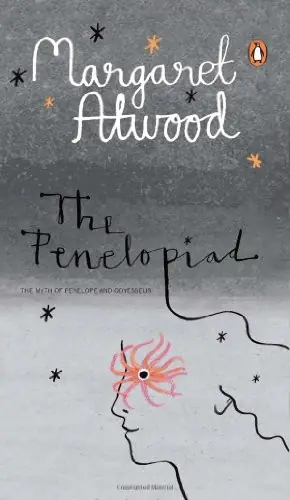
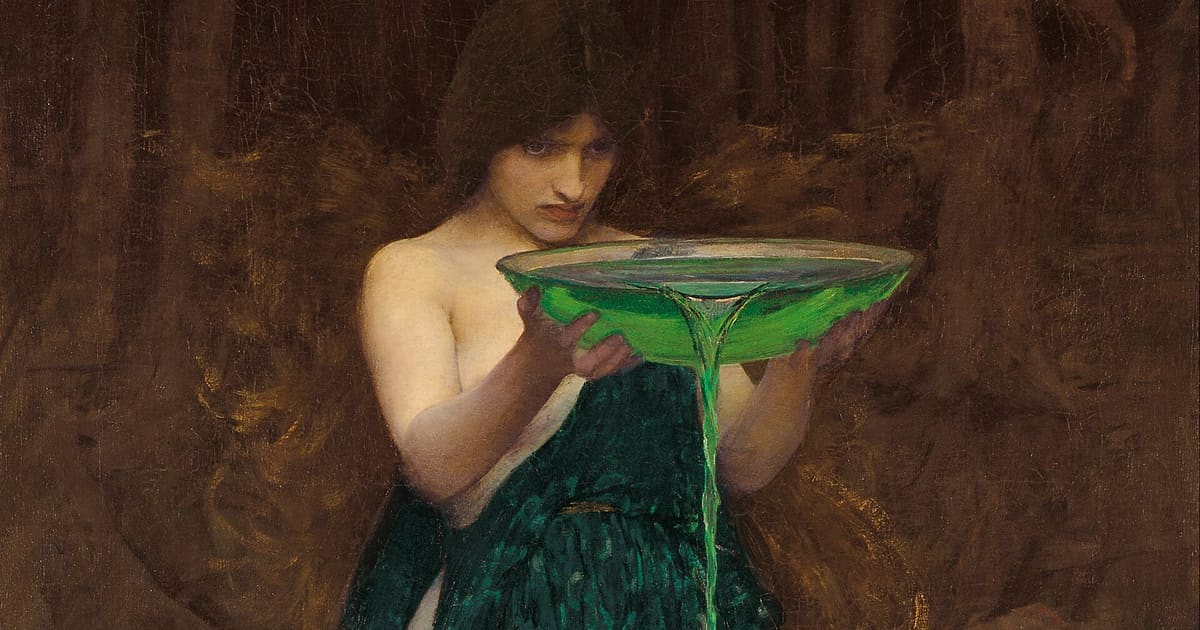
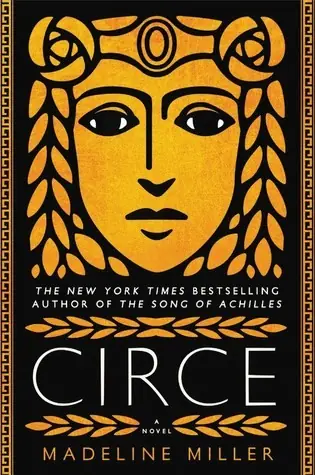
Greek material still leads. “The Song of Achilles” by Madeline Miller retells the Trojan War through Patroclus, and the bond between him and Achilles becomes the centre of the book. Miller's “Circe” follows the sorceress of the Odyssey across centuries of exile. “A Thousand Ships” by Natalie Haynes gathers the women of Troy and lets each tell her part, while “The Penelopiad” by Margaret Atwood returns to Penelope and the twelve maids hanged in the Odyssey.
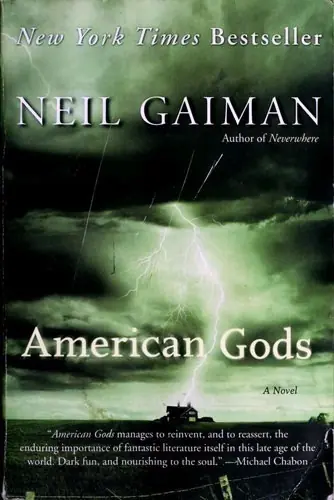
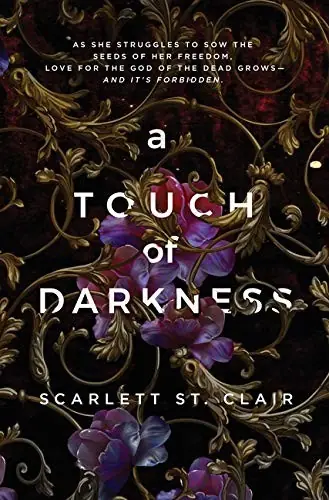
Some retellings move the gods into the present. “A Touch of Darkness” by Scarlett St. Clair turns Hades and Persephone into a modern romance. “American Gods” by Neil Gaiman sets old deities, brought to America by immigrants, against newer gods of media and technology. “The Lightning Thief” by Rick Riordan gives young readers a version where the Greek gods are still active and their demigod children train to survive.
Outside Europe the field is just as busy.
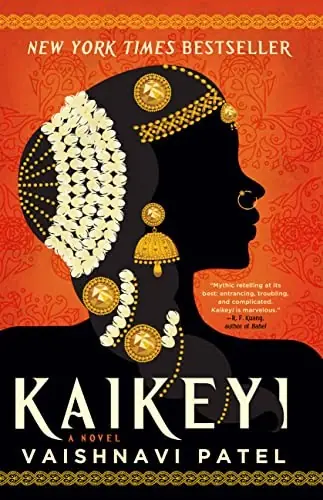
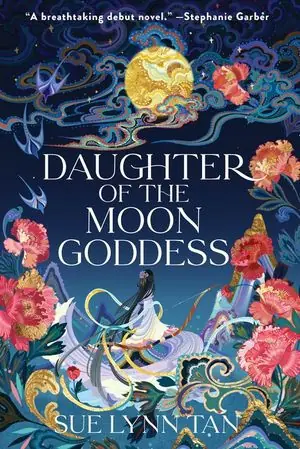
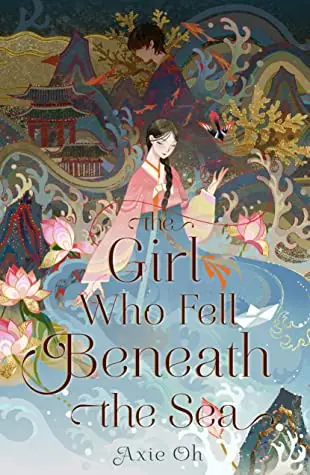
rework, in turn, the frame of One Thousand and One Nights and a Korean tale of a girl given to the Sea God. “Kaikeyi” by Vaishnavi Patel retells the Ramayana from a queen who chose to oppose it, and “Daughter of the Moon Goddess” by Sue Lynn Tan builds on the Chinese story of the moon goddess Chang'e. One well-known retelling outside the catalog is Stephen Fry's Mythos, which turns the Greek myths into a connected, witty narrative.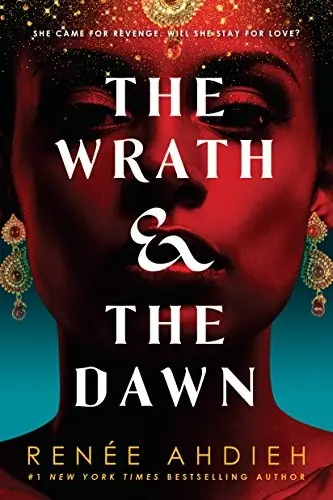
What some readers dislike
A few things frustrate readers of this trope. One is a retelling in name only, where the myth supplies a handful of names and then steps aside. Another is a story so fixed on a message that the characters stop feeling like people. Some readers also notice small slips against the source, a wrong parent or a moved event, and for someone who knows the myth well that can pull them out of the book. And because a few myths, Hades and Persephone above all, are retold so often, the sense of discovery can wear thin.
Where to start
If you want the gentlest entry, “The Song of Achilles” and “Circe” are the usual first stops. For a chorus of voices, try “A Thousand Ships”. If you would rather see a myth in the present day, start with “American Gods” or “The Lightning Thief”. To move beyond Greek material, “Kaikeyi” and “Daughter of the Moon Goddess” both open onto traditions most readers meet less often.
Find books with the “Mythology Retelling” trope
24 books in the catalog. Add and exclude tropes, filter by genre and year.
Search without “fairy tale retelling”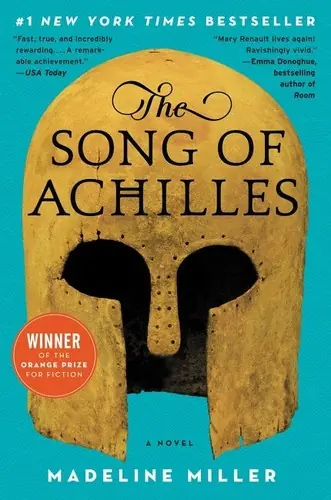
Frequently asked questions
What does mythology retelling mean in books?
It is a story that takes a myth, a god, or a hero from an older tradition and tells it again in a new form: a fresh narrator, a modern setting, or a viewpoint the original left out.
What is the difference between a mythology retelling and a fairy tale retelling?
A mythology retelling draws on gods, heroes, and epics, such as the Trojan War or the Ramayana. A fairy tale retelling works from folk stories like Cinderella or Beauty and the Beast. The two overlap in mood but use different source material.
Do mythology retellings have to follow the original myth?
No. Some stay close to the old plot and only change the narrator; others move the gods into a modern city or invent events the source never described. What matters is that the book is in conversation with the myth.
Which mythology retelling should I read first?
For a gentle start, try The Song of Achilles or Circe by Madeline Miller. If you prefer myth in the present day, American Gods or The Lightning Thief are good entry points.