 Post-Apocalyptic
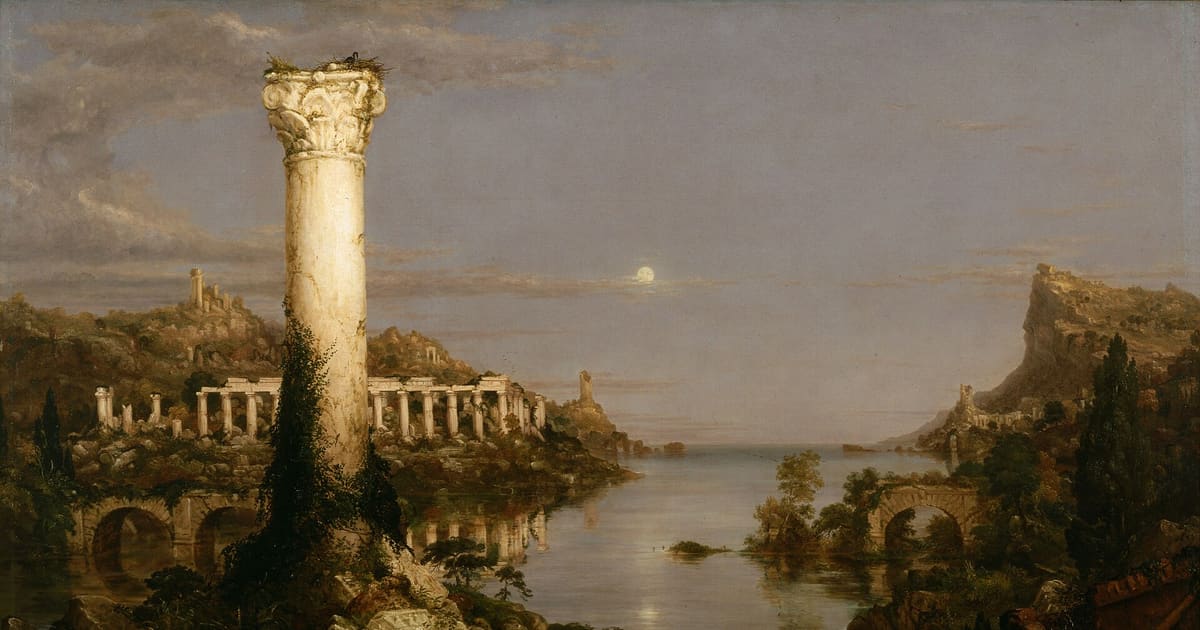
Post-apocalyptic fiction is a genre of stories set after a disaster has already ended the world as it was, once the collapse is over and the survivors are left to build a life among the ruins. Readers search for it as "post-apocalyptic books" or "the end of the world," and the label stretches from a nuclear wasteland to a pandemic that emptied the cities overnight.
Why readers are drawn to it
The end of the world clears the board. When the old systems are gone, small decisions carry weight: whether to share food, whether to trust a stranger, whether to keep a promise that no one is left to enforce. That pressure is what keeps the genre gripping, and it is why many of these books spend more time on the people after the break than on the disaster itself.
There is room for hope, too. A collapse removes the assumptions of the present, so a story can ask what is worth rebuilding and what should be left behind. Some of the strongest titles answer with art, community, or ordinary decency rather than guns.
How post-apocalyptic fiction works
Most books follow a similar shape, even when the details differ.
- The break. A war, a plague, a failing climate, or an unnamed event ends the world as it was.
- The aftermath. Survivors scavenge, travel, and improvise, short of food, fuel, or medicine.
- The journey. A road, a river, or a convoy carries the characters toward a place that may be safe.
- The group. Trust is rebuilt in small numbers, and a found family often replaces the one that was lost.
- The choice. Rebuild something better, defend the old order, or give in to violence.
The disaster itself is often kept off the page. Many writers begin years after the event, in the quieter problem of how to live.
Variations and neighbouring tropes
Post-apocalyptic sits beside several tags that readers use in different ways. If the collapse is happening now, on the page, the book leans toward apocalypse. If the ruined setting is the point, it belongs to post-apocalyptic world. A society that still runs and controls its people is dystopia, which is why dystopia and post-apocalypse are so often confused: in one the system stands, in the other it has fallen.
Within the genre, the common variations are the pandemic, the nuclear winter, the drowned coast, and the outbreak that turns people into something else. A smaller, newer branch keeps the same setting but answers it with optimism, sometimes called hopepunk. The struggle to stay alive drives most plots, while survival and found family supply the stakes and the heart.
Classic and recent examples
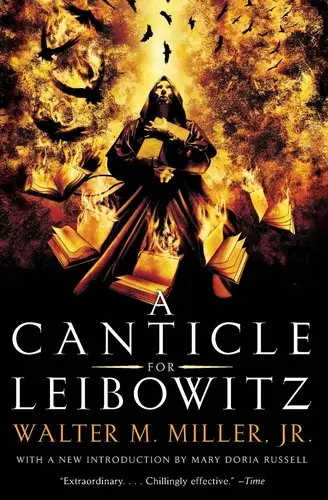
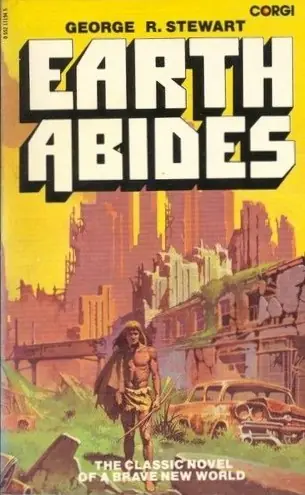
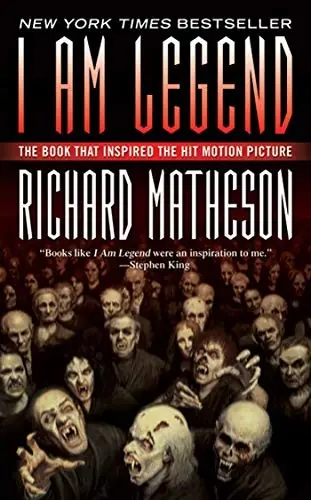
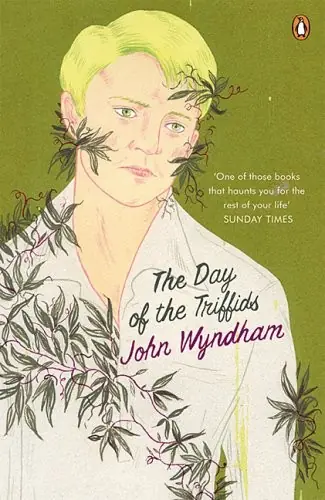
The older classics still set the terms. “Earth Abides” by George R. Stewart follows an ecologist after a plague empties the world, and “I Am Legend” by Richard Matheson leaves one man alone among the transformed. “The Day of the Triffids” by John Wyndham blinds most of humanity, “The Chrysalids” asks who decides what counts as human, and “A Canticle for Leibowitz” by Walter M. Miller Jr. follows monks who guard books across centuries of rebuilding.
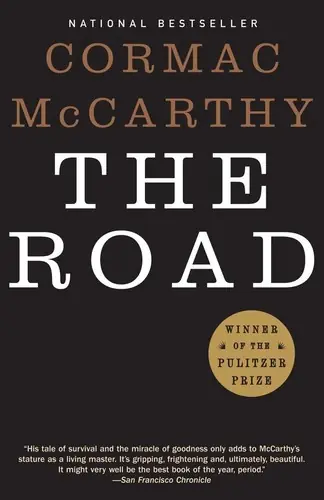
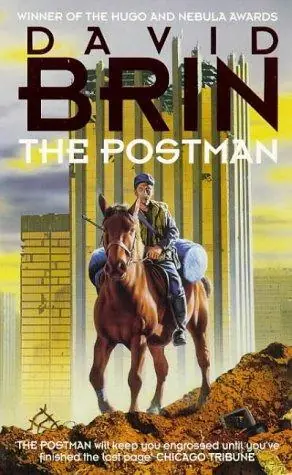
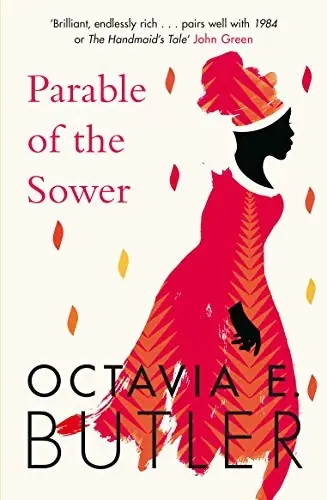
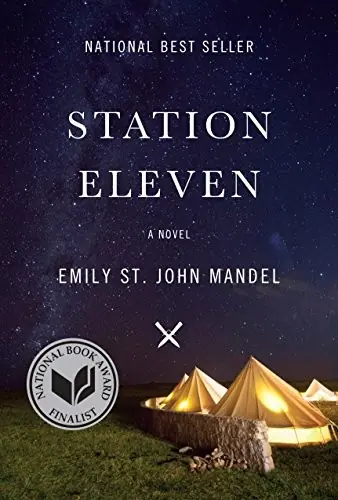
Recent titles keep the questions and change the tone. “The Road” by Cormac McCarthy reduces the genre to a father and son on a road, while “Station Eleven” by Emily St. John Mandel keeps a travelling theatre alive after a flu. “Parable of the Sower” by Octavia E. Butler turns collapse into a story about belief, and “The Postman” by David Brin gives one wanderer's lie about a restored postal service the power to unite scattered towns.
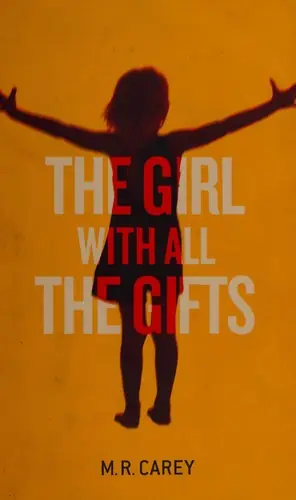
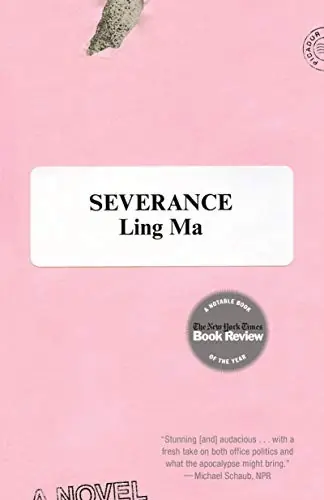
move from a buried silo to a militarised England to an office job that continues as the world quietly ends.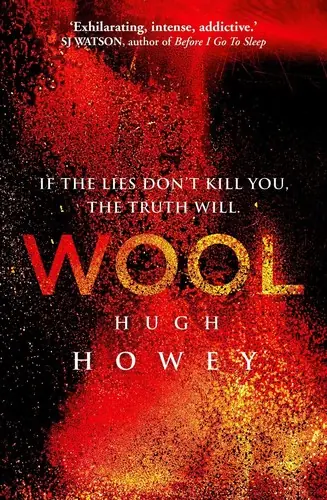
Two well-known titles outside the catalog are The Stand by Stephen King, a long contest between survivors after a laboratory plague, and World War Z by Max Brooks, which tells a global zombie war through a chain of interviews.
What some readers dislike
- Bleakness with no purpose. When everything is grim and nothing is gained, some readers find the book exhausting rather than moving.
- An apocalypse used as scenery. If the ruined world only supplies monsters and empty buildings for a generic adventure, the setting stops meaning anything.
- Survival that strains belief. A hero who never runs out of fuel, food, or luck is hard to believe for long.
- A familiar formula. The lone survivor who becomes a leader, the scavenging sequence, and the warlord villain all recur, and with so many books published the patterns show.
Where to start
For the literary version, start with “The Road” or “Station Eleven”. If you want an early classic that still reads quickly, try “The Day of the Triffids” or “I Am Legend”. For a failure of the world that becomes a search for something to believe in, “Parable of the Sower” is a strong choice.
Find books with the “Post-Apocalyptic” trope
0 books in the catalog. Add and exclude tropes, filter by genre and year.
Open in searchFrequently asked questions
What does post-apocalyptic mean in books?
It describes a story set after a disaster has already ended the world as it was. The collapse is over, and the plot follows survivors living in what remains, rather than the disaster itself.
What is the difference between post-apocalyptic and dystopian fiction?
A dystopia is a society that still functions and controls its people, such as a surveillance state. A post-apocalyptic story starts after that society has fallen, so the characters face ruins, scarcity, and the work of rebuilding.
What is the difference between apocalyptic and post-apocalyptic?
Apocalyptic fiction shows the end happening, with characters trying to stop or survive the disaster. Post-apocalyptic fiction moves past it and asks how people live once the disaster is finished.
Which post-apocalyptic book should I read first?
For a short, literary starting point, try The Road by Cormac McCarthy or Station Eleven by Emily St. John Mandel. If you want an early classic, The Day of the Triffids and Earth Abides still read well.