 Reluctant Hero
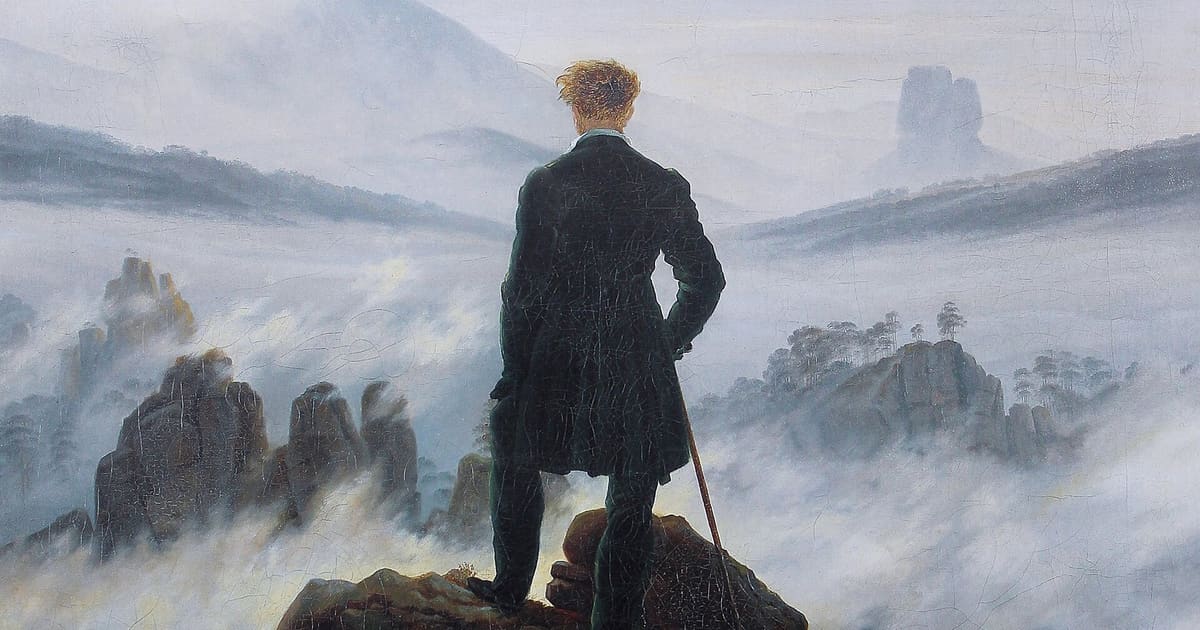
A reluctant hero is an ordinary person, or someone with unusual abilities, who wants no part of adventure or glory but is forced to protect others. Readers also call this the unwilling hero or unlikely hero, and the appeal is simple: the hero never asked for the job.
Why readers keep coming back
Most heroic stories start with someone who is ready. This one starts with someone who is not. Readers recognize their own wish for a quiet life in Bilbo's pantry or Murderbot's soap operas, then watch that wish survive a problem that cannot be ignored.
The trope makes courage a decision rather than a birthright. The character chooses, often badly, and the choice costs something. A hero who hides or negotiates a way out of danger also gives the story room for humor without lowering the stakes.
How the trope usually works
Reluctant heroes appear in different genres, but the shape is stable:
- A life worth keeping. The hero has a home, a job, or a routine worth returning to.
- A request refused. Someone arrives with a task or a warning, and the refusal shows what the hero fears.
- Pressure from outside. The problem grows until staying home becomes its own choice.
- Small commitments. The hero agrees to one limited thing, then another, and each step is hard to take back.
- The cost becomes personal. The hero sees who will pay if they walk away.
- A choice, not a transformation. The ending shows a frightened person doing the necessary thing anyway.
Variations and nearby tropes
The chosen one who says no. chosen one overlaps often. Selection supplies the pressure; reluctance supplies the character. Thomas Covenant is named a savior and rejects the premise.
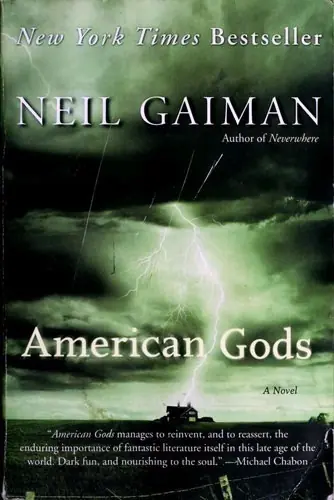
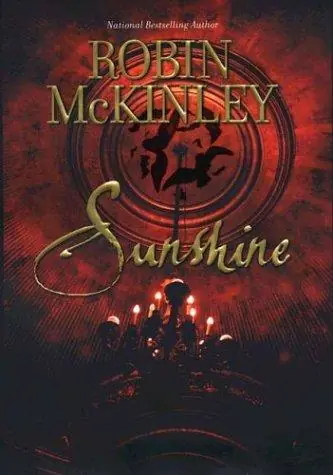
The everyman in the wrong place. Shadow Moon in “American Gods” takes a job and lands in a war between gods. Sunshine in “Sunshine” is a baker with no interest in the supernatural until vampires capture her.
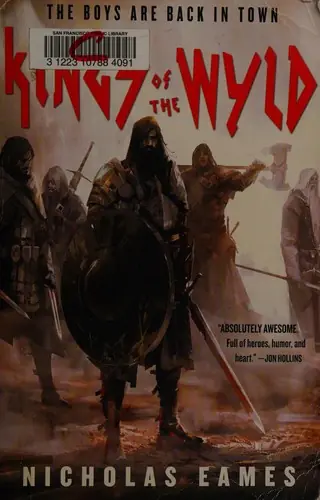
The retired professional. Clay Cooper in “Kings of the Wyld” has the skills and none of the willingness.
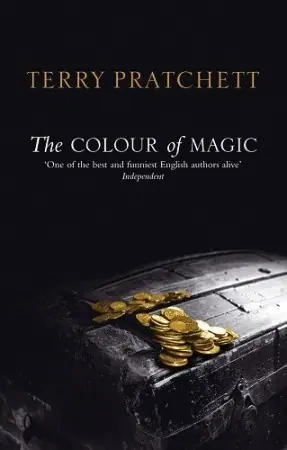
The comic hero. Rincewind in “The Colour of Magic” runs from danger, and running usually makes things worse.
Reluctance also shapes coming of age, and a hero who stays for people rather than a cause edges toward found family.
Books that show it
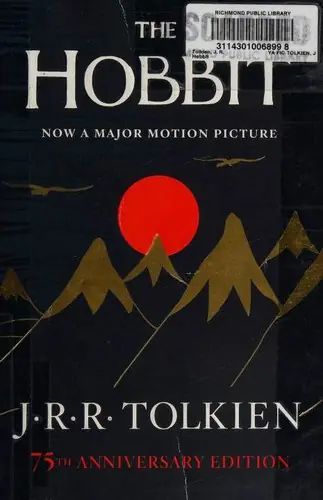
“The Hobbit” is the cleanest example. Bilbo Baggins likes his well-stocked hole and has no use for dwarves or dragons. Gandalf and thirteen dwarves arrive anyway, and Bilbo joins the journey to the Lonely Mountain with a contract he barely understands. His courage appears in small doses, usually when he is too frightened to do anything else.
“Lord Foul's Bane” turns the idea darker. Thomas Covenant is a leper, isolated and bitter, and the fantasy world he enters treats his white gold ring as a weapon. He refuses to believe the Land is real even as its people call him a savior. His reluctance is a defense against despair, not a charming flaw.
“The Colour of Magic” plays it for comedy. Rincewind is a wizard who never mastered magic, and he is assigned to guide the Disc's first tourist. Every accidental act of bravery feels like a mistake he will regret.
The urban fantasy examples keep the stakes personal. In “Sunshine”, Rae Seddon is captured by vampires and discovers magic she never wanted; her first instinct is to return to the bakery. In “Rosemary and Rue”, October Daye has spent fourteen years away from Faerie when a dying curse binds her to a murder investigation.
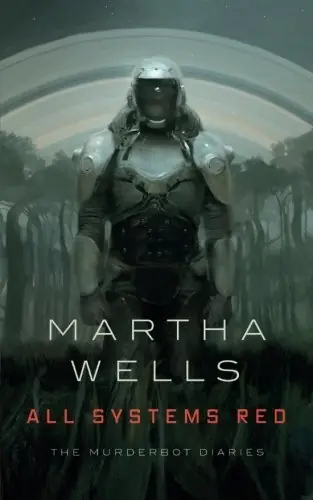
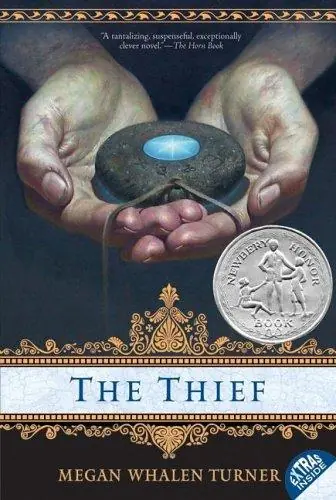
Two recent novels use the trope without fantasy destinies. “All Systems Red” gives the role to a security android that hacked its own governor module and would rather watch soap operas. When the survey team is threatened, it must decide whether to stay hidden. “The Thief” follows Gen, a prisoner who boasts he can steal anything and is dragged into a hunt for an ancient artifact. He complains and schemes, and keeps working.
Outside the catalog, "Dune" by Frank Herbert and "The Lord of the Rings" by J. R. R. Tolkien show the same pattern. Paul Atreides is pushed toward a role he did not choose, and Frodo Baggins inherits a ring and a journey he would gladly refuse.
What can go wrong
A hero who only refuses. If the character says no for chapters without making a choice, readers stop waiting for the turn.
Complaints instead of character. Grumbling can be funny, but it cannot replace a reason to care. The reader needs to see what the hero values.
Competence from nowhere. A character who has never held a sword should not become a master in one scene. Ordinary skills and stubbornness work better.
Where to start
“The Hobbit” is the safest first choice: short, warm, and clear about what Bilbo risks by leaving home. For science fiction, “All Systems Red” is even shorter and just as sharp about a protagonist who would rather be left alone. For fae politics, try “Rosemary and Rue”; for the darkest version here, pick “Lord Foul's Bane”.
Find books with the “Reluctant Hero” trope
11 books in the catalog. Add and exclude tropes, filter by genre and year.
Search without “chosen one”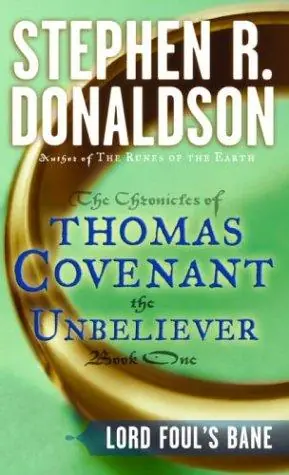
The pattern overlaps with chosen one, but the story is about the refusal, the doubt, and the ordinary life that keeps pulling the hero back.
Frequently asked questions
What does reluctant hero mean in books?
A reluctant hero is a character who does not want adventure, power, or attention but is pulled into a situation where other people need protection. The story follows the gap between their wish to be left alone and the choice they eventually make.
What is the difference between a reluctant hero and a chosen one?
A chosen one is singled out by prophecy or destiny. A reluctant hero can be chosen too, but the emphasis falls on their refusal and doubt. The chosen-one story asks whether they will accept the role; the reluctant-hero story asks why they keep saying no.
Is a reluctant hero the same as an antihero?
No. A reluctant hero may be selfish, grumpy, or cowardly at first, but the arc usually ends with them acting for others. An antihero can stay morally questionable throughout, and the story does not require a turn toward conventional heroism.
Which book should I read first?
The Hobbit is the easiest starting point: short, warm, and clear about Bilbo's wish to stay home. If you want darker fantasy, try Lord Foul's Bane; for science fiction, All Systems Red.