 Romantasy
Romantasy is a blend of fantasy and romance in which the love story and the magical plot share the spotlight. The name is a portmanteau, and the same shelf is also sold as fantasy romance or romantic fantasy, though readers use those labels loosely and argue about where the borders fall. A simple test helps: if the book would fall apart without the romance, it belongs here.
Why readers are drawn to it
The appeal begins with scale. A romance set in a small town can only raise the stakes so far. A romance set in a world where magic can kill gives every feeling a cost, and a character who loves the wrong person may be choosing against a court, a crown, or a god. The love story and the larger plot pull on the same rope.
Readers also come for intensity. Romantasy romances often develop slowly across hundreds of pages, so the first honest admission feels earned rather than sudden. The fantasy frame also allows love interests who are ancient, dangerous, or not fully human, which adds a threat that a contemporary romance rarely carries. Much of the recent boom is credited to social media: the label spread on BookTok in the early 2020s and brought in readers who grew up on young adult fantasy and wanted the same worlds with adult relationships.
What the books contain
Most titles on the shelf share a few working parts.
- A world with rules. Fae courts, dragon academies, or a kingdom under a curse. The setting is not scenery; its politics and magic decide what the couple can and cannot do.
- A love story that drives the plot. Remove the romance and the story collapses. That is the clearest line between romantasy and fantasy that happens to include a romance.
- Consequences for feeling. Marriages of convenience, oaths, and bargains turn private desire into a public, often political act.
- A heat level readers check beforehand. Many romantasy books are open door, and spice is discussed before a title is recommended.
Variations and neighbouring tropes
Romantasy is an umbrella rather than a single shape. Court intrigue among the fae, dragon riders at a war college, and quiet stories in a magical village all sit under it. So does the darker end of the shelf.
Several familiar tropes do much of the work. enemies to lovers supplies the first spark, and slow burn stretches it out. fated mates and forced proximity push two people together, while marriage of convenience and forbidden love keep them apart. When the love interest is morally grey, the book often overlaps with dark romance; when it stays gentle and low on danger, it edges toward cozy fantasy.
Classic and recent examples
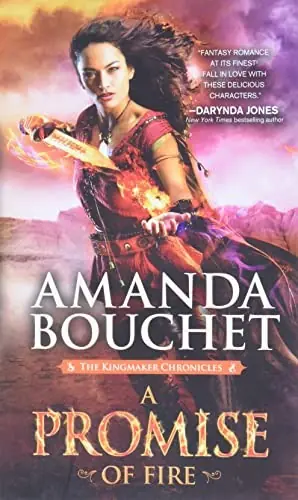
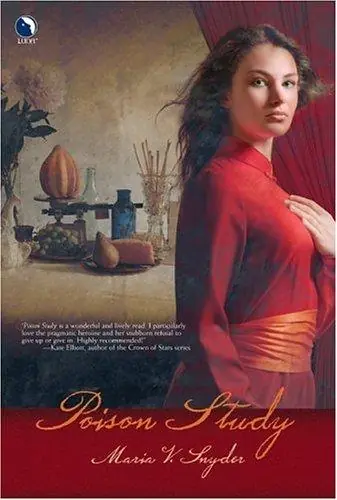
Older entries show the shape before the label existed. “Poison Study” by Maria V. Snyder follows a food taster working beside the assassin who trained her, and the trust grows slowly against real danger. “A Promise of Fire” by Amanda Bouchet ties a captured soothsayer to the warlord who takes her, with the romance built on the road.
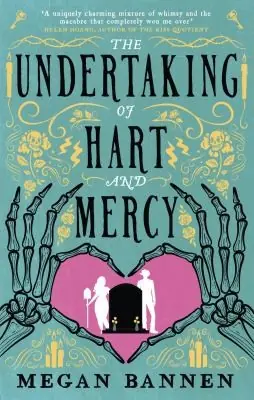
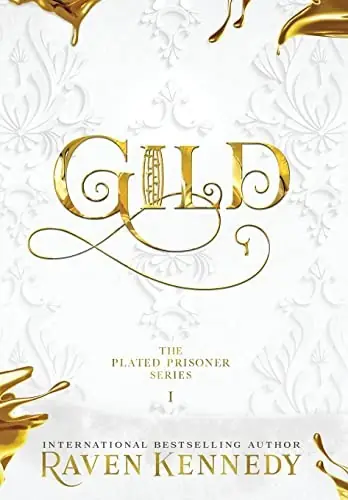
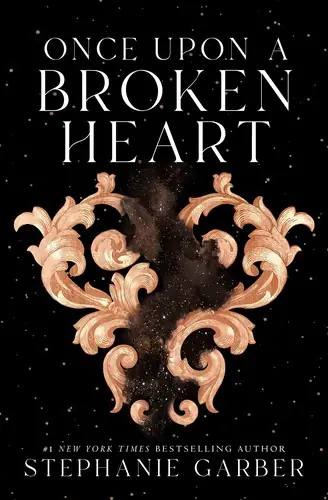
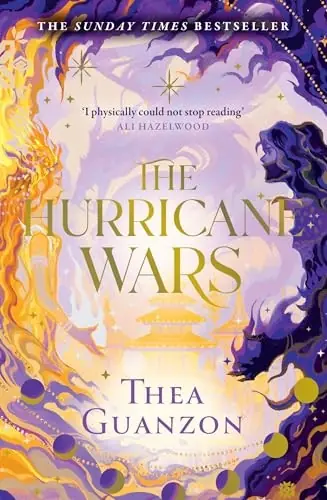
Recent titles lean into courts and bargains. “A Deal with the Elf King” by Elise Kova opens with a forced marriage to a cold king. “Once Upon a Broken Heart” by Stephanie Garber trades a wish for a deal with a charming Fate. “This Woven Kingdom” by Tahereh Mafi hides an heir and a prophecy behind a forbidden attachment, and “The Hurricane Wars” by Thea Guanzon binds two enemies in a marriage neither wants. For something warmer, “The Undertaking of Hart and Mercy” by Megan Bannen builds a romance through anonymous letters, and “Gild” by Raven Kennedy sits at the darker end. Outside the catalog, "Quicksilver" by Callie Hart became a recent favorite for its fae world and enemies-to-lovers pairing.
What some readers dislike
A common complaint is imbalance. When the world-building is thin and the plot exists only to move the couple together, fantasy readers feel shortchanged; when the romance is a bare subplot, romance readers do. The two audiences often want different books and are sold the same label.
Series length is another friction point. Many romantasy books end on cliffhangers, so the couple's story is not resolved in one volume, and readers who prefer a complete arc can feel strung along. Spice is the third: some want more explicit scenes, others want the door closed, and a mismatch can overshadow an otherwise good book. Readers also grow tired of repetition, since the same fae male, the same bargain, and the same slow enemies-to-lovers beat appear again and again.
Where to start
If you want an older, character-driven romance first, “Poison Study” is a good entry. For fae courts and a bargain, try “Once Upon a Broken Heart”. If you like a marriage that grows into something real, “A Deal with the Elf King” and “The Hurricane Wars” both take that route. For a soft, low-danger read, “The Undertaking of Hart and Mercy” is the gentlest of the group.
Find books with the “Romantasy” trope
8 books in the catalog. Add and exclude tropes, filter by genre and year.
Search without “dark romance”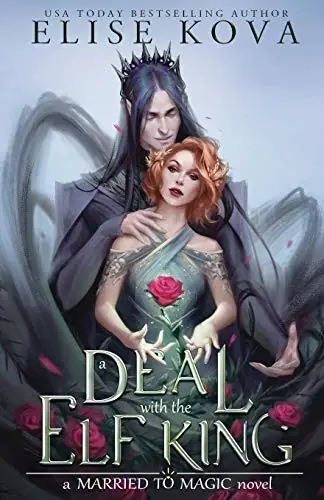
Frequently asked questions
What does romantasy mean in books?
Romantasy is a blend of fantasy and romance where the love story matters as much as the magic and the politics. The fantasy world shapes the romance, and the romance drives the plot.
What is the difference between romantasy and fantasy romance?
Readers use both terms and rarely agree. Many treat romantasy as an even split, while fantasy romance leans toward the love story and romantic fantasy leans toward the fantasy and the world-building.
Do romantasy books always have a happy ending?
The romance side usually promises one, but a single volume in a series may end on a cliffhanger. Check whether a title is a standalone or part of an unfinished series before you start.
Which romantasy book should I read first?
Poison Study by Maria V. Snyder is a good older entry point, and A Promise of Fire by Amanda Bouchet is a common recent recommendation for readers who want a slow enemies-to-lovers arc.