 Time Loop
A time loop is a story in which a character lives through the same stretch of time again and again, keeping their memory while the world around them resets. Readers also search for it as a Groundhog Day loop or a Groundhog Day book, after the 1993 film that made the idea famous. The loop usually runs until something is put right, and the book is built from everything the character learns along the way.
Why readers like it
A loop turns one scene into a puzzle. The first pass shows the reader what happens; each pass after that shows why it happens. Because the setting is fixed, small details start to matter: a dropped sentence, a door left open, a stranger who always walks past at the same time. The reader notices them alongside the character.
There is also a quieter pleasure here. The hero often begins as an ordinary person and slowly becomes skilled and patient, because a loop gives them time no one else has. Watching that change is a large part of the appeal, whether the tone is comic or bleak.
How a time loop works
Most loops are built from four rules, and the story works best when the reader can sense all of them.
- The length. The repeat can cover a single day, a weekend, a season, or a whole life.
- The memory. Usually one character remembers each pass. Sometimes two people share it, and sometimes the whole cast does.
- The reset. A death, a night's sleep, or a fixed moment sends the clock back.
- The exit. The loop ends when a wrong is corrected, a lesson is learned, a murder is solved, or a curse is broken.
Once those rules are clear, the shape of the book appears: try, fail, learn, try again.
Variations and neighbouring tropes
The single-day loop is the best known, but the trope stretches further. A death loop sends a soldier back into the same battle each time he falls. A life loop spreads the repeat across decades, so the character is born again knowing what is coming. A curse can lock a place into one season that returns forever. A mystery can reset the same day and drop the detective into a different body on each pass.
Time loops sit close to time travel, but they are not the same thing: travel moves to a new point in time, while a loop returns to the same one. The two often appear together, and a loop also overlaps with an immortal protagonist and with the slow reveal of a twist ending. When the repeat grows heavy and sad, the mood drifts toward melancholic.
Classic and recent examples
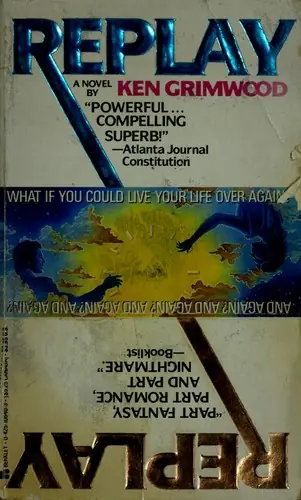
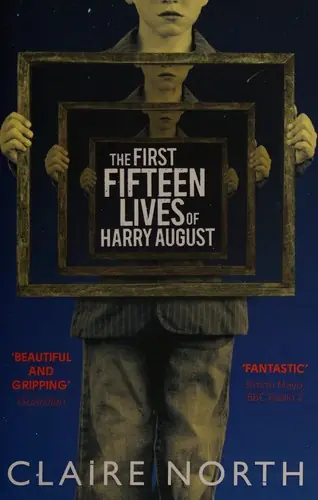
Ken Grimwood's “Replay” is one of the earliest and cleanest versions: its hero dies and wakes decades earlier, then lives the years again with his memory intact, and he is not the only one looping. “The First Fifteen Lives of Harry August” by Claire North turns the idea into a whole secret history, as its narrator is born again and again into the same life.
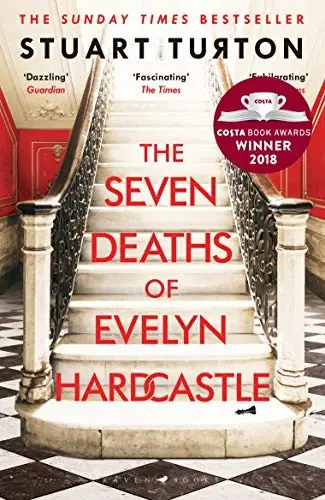
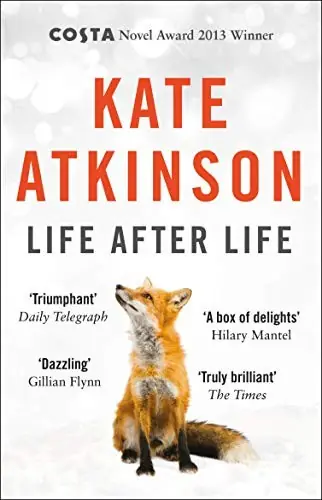
The death loop drives “All You Need Is Kill” by Hiroshi Sakurazaka, where a recruit relives the day he dies and grows stronger with every repeat. “The Seven Deaths of Evelyn Hardcastle” by Stuart Turton uses the same day as a locked puzzle, moving its detective into a different guest each time. Kate Atkinson's “Life After Life” repeats a whole life rather than a day.
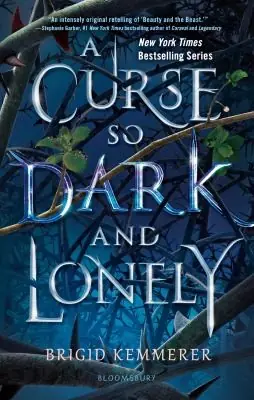
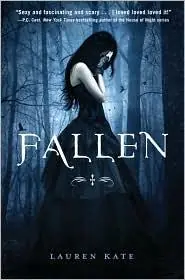
There are stranger corners too. “Vita Nostra” by Marina and Sergey Dyachenko returns its student to the same ordeals until the school has remade her. “A Curse So Dark and Lonely” by Brigid Kemmerer traps a castle in one autumn that repeats until a curse is broken, and “Fallen” by Lauren Kate builds its romance on a cycle of lives that keeps beginning again.
Outside the catalog, Lauren Oliver's "Before I Fall" follows a girl through the day of her death, and Lynn Painter's "The Do-Over" puts a teenager through the same disastrous Valentine's Day. Blake Crouch's "Recursion" bends memory and time until the two are hard to tell apart.
What some readers dislike
The main risk is repetition that adds nothing. If each pass looks exactly like the last, the middle of the book can sag. Another complaint is a loop with no consequences: if nothing carries over, the tension drains away, because the hero cannot lose. Some readers also want the rule explained. A story that resets at will, without ever suggesting why, can feel like a cheat rather than a puzzle. And a hero who never grows, who simply repeats the same mistakes, is hard to stay with.
Where to start
If you want the template, start with “Replay” or “The First Fifteen Lives of Harry August”. For action, take “All You Need Is Kill”; for a mystery, “The Seven Deaths of Evelyn Hardcastle”. A romantic fantasy reader might prefer “A Curse So Dark and Lonely”, while “Life After Life” suits anyone who wants the loop folded into literary fiction.
Find books with the “Time Loop” trope
6 books in the catalog. Add and exclude tropes, filter by genre and year.
Search without “time travel”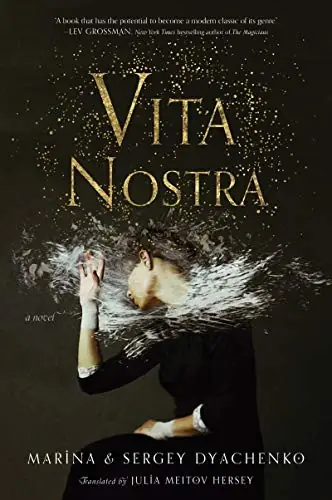

Frequently asked questions
What does time loop mean in books?
It is a plot in which a character lives through the same period of time again and again, keeping their memory while everything else resets. The story usually ends when the character breaks the cycle.
Is a time loop the same as time travel?
No. Time travel moves a character to a different point in time. A time loop sends them back to the same one, so the same events return and the character has to find a way out.
What is a Groundhog Day loop?
It is another name for a time loop, taken from the 1993 film Groundhog Day, in which a weatherman relives the same day. The phrase is common in fan discussions and on TV Tropes.
Which time loop book should I read first?
For a classic, try Replay by Ken Grimwood. If you like action, All You Need Is Kill is short and fast; for a puzzle, The Seven Deaths of Evelyn Hardcastle is a good place to start.