 Villain Protagonist
A villain protagonist is the main character of a story who is a villain, and the reader follows their actions and motives from inside their own point of view. You will also see the trope described as books where the main character is the villain, or villain POV; the character may be charming or repellent, but the story stays on their side of the line.
Why readers like it
Most fiction asks you to hope that the hero wins. This trope removes that comfort and asks a different question: what will this person do next, and how far will they go. That tension keeps the pages turning even when you dislike the character.
There is also the pull of understanding. A first-person villain shows you the reasons behind each choice, and a reason is not the same as an excuse. You can see the logic and still want the character stopped, and that double reaction is the point.
The best versions of the trope also make the reader complicit. Because you have been inside the character's head for hundreds of pages, you notice the moment you start hoping they get away with it. That small discomfort is one reason the trope is remembered long after a more straightforward hero is forgotten.
How the trope works in a book
The usual pieces are easy to recognize.
- A protagonist with real agency. They act on the world rather than only reacting to it, and their choices have consequences for other people.
- A moral line that is crossed, not merely approached. The reader needs to see the harm, not only hear it suggested.
- A point of view that stays close. First person or a tight third person is common, because the trope depends on hearing the villain's own reasoning.
- A counterweight. A victim, an investigator, or a friend who can be hurt gives the story stakes and keeps it from becoming a list of crimes.
- A shape. The story can end in punishment, in escape, or in a colder kind of success. All three are used, and readers tend to have strong preferences.
Variations and neighbouring tropes
The trope sits close to a few relatives. A morally grey character protagonist may be selfish and make bad choices yet still aim at something defensible; a villain protagonist does not. An unreliable narrator can be a villain as well, and the two fit together naturally, since a person willing to do harm is often a person willing to explain it away.
It is worth separating the villain protagonist from the anti-hero, who breaks rules but still lands on the side of good, and from a hero who slowly turns bad over the course of a story. The villain protagonist is already a villain when the book opens.
Some readers also confuse the trope with an evil character who is only the antagonist. An antagonist is the force the hero has to stop. A villain protagonist is the person whose side of the story you are reading, which changes what the book can do with sympathy and suspense.
Examples
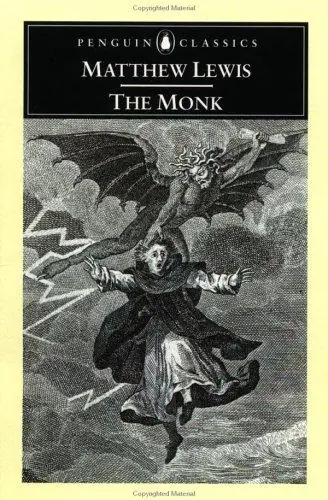
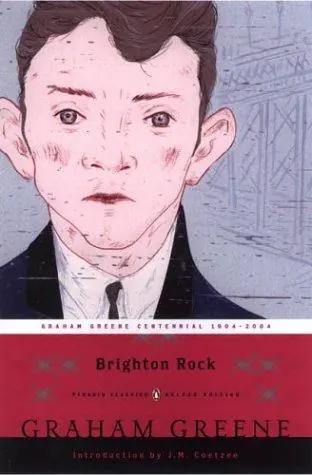
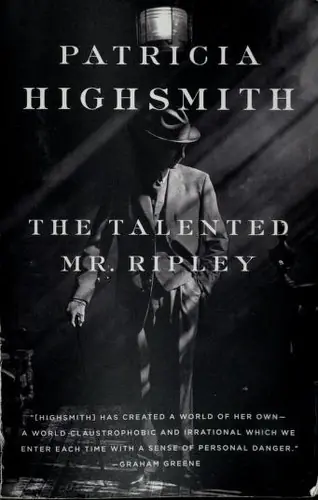
Classic novels give the clearest cases. In “A Clockwork Orange”, Anthony Burgess lets Alex tell his own story of violence and music, and the reader is caught inside his voice. Patricia Highsmith's “The Talented Mr. Ripley” follows Tom Ripley as he protects the life he has taken for himself. Earlier still, “The Monk” lets Ambrosio fall from admired virtue into crime, and Graham Greene's “Brighton Rock” keeps us beside a teenage gang leader.
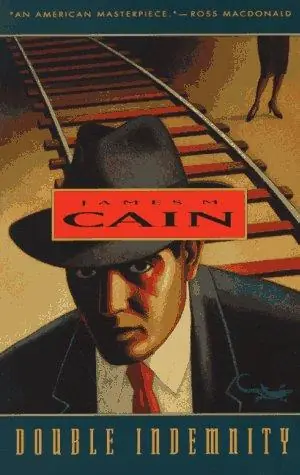
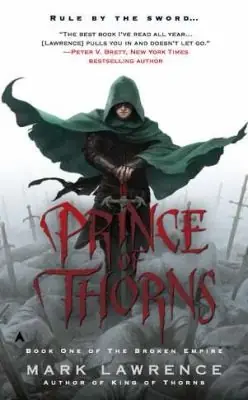
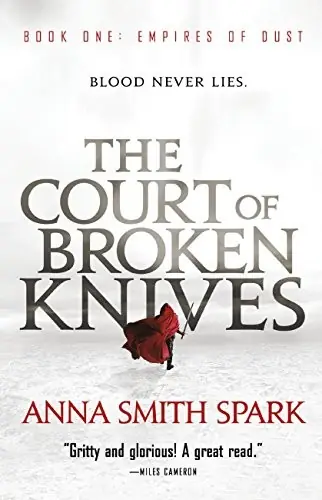
Crime fiction has its own version. James M. Cain's “Double Indemnity” draws the reader into a murder plot from the inside, while John Fowles's “The Collector” gives the captor half the narration. For recent fantasy, “Prince of Thorns” follows Jorg as he cuts his way toward a throne, and
both put driven, dangerous people at the centre of the story.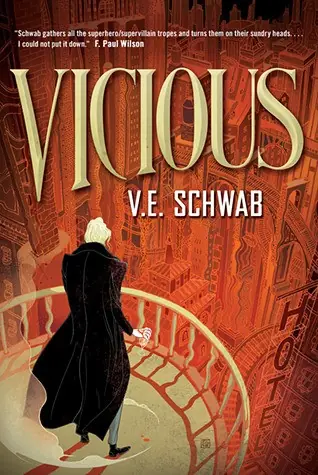
Outside the catalog, three well-known examples are worth knowing. Vladimir Nabokov's "Lolita" is told by a narrator who admits his crime and still works to win the reader over, Patrick Süskind's "Perfume" follows a murderer through his obsessions, and Caroline Kepnes's "You" is narrated by a man who believes his pursuit of a woman is love.
What can put readers off
A few things divide readers. Some dislike a narrator who is cruel to the point that there is nothing left to follow, and a story with no counterweight can feel flat rather than troubling. Others find that a charming villain is used to excuse harm the book never takes seriously. The ending matters too: a punishment that arrives too neatly can feel like the author apologizing for the whole book. Checking reviews for tone, not only plot, is a fair way to choose.
Where to start
If you want a short, sharp classic, try “A Clockwork Orange” or “Double Indemnity”. For a longer and colder portrait, “The Talented Mr. Ripley” is a good next step, and readers who want fantasy can begin with “Prince of Thorns”.
Find books with the “Villain Protagonist” trope
16 books in the catalog. Add and exclude tropes, filter by genre and year.
Open in search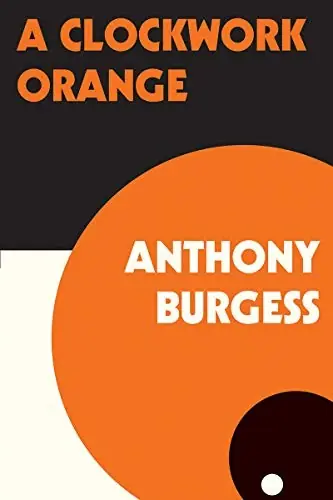
Frequently asked questions
What does villain protagonist mean in books?
It means the main character is a villain: the story is told from their point of view, and their harmful choices drive the plot instead of being the obstacle a hero has to stop. The term is also written as villain POV.
Is a villain protagonist the same as an anti-hero?
No. An anti-hero breaks rules but still works toward something good, or at least stays on the hero's side. A villain protagonist is genuinely a villain, and the story does not pretend otherwise.
Is the villain protagonist always the worst character in the book?
Not always. Some stories place them against an even worse enemy, so the reader is pulled toward someone dangerous almost by default. They are still a villain, whatever the competition.
What should I read first?
For a short classic, start with A Clockwork Orange or Double Indemnity. If you prefer fantasy, Prince of Thorns is a strong entry point, and The Talented Mr. Ripley suits readers who like a slow, cold study of a criminal.