What to read after “The Passenger” by Ulrich Alexander Boschwitz: a list matched by tropes, mood and atmosphere. Under each book you will see what it has in common.
On a train through continental Europe, a young Englishwoman befriends an older governess. After a nap she finds the woman gone, and every other passenger denies she ever existed. Alone and doubting her own mind, Iris searches the carriages for proof.
Four armed men seize a New York City subway train, taking seventeen passengers hostage and demanding a fortune within an hour. As the city negotiates, a transit police lieutenant races to understand the hijackers' escape plan before the deadline runs out.
Child psychologist Anna Fox lives alone, unable to leave her home, and spends her days watching her neighbours through a camera. When she sees something in the house across the street, no one believes her, and she is left to work out whether the danger is real or in her mind.
Between 1941 and 1943 the German and French police arrested hundreds of women who had worked for the Resistance. Drawn from interviews and archives, this book follows 230 of them from prison in France onto the trains to Auschwitz, and the friendships that sustained them.
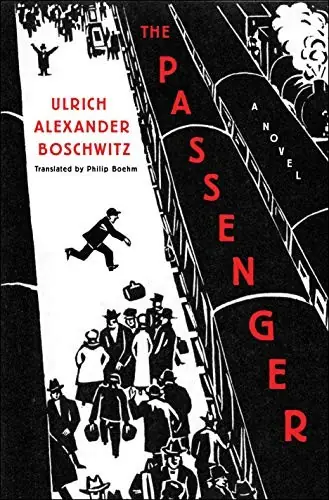
A young German soldier boards a troop train bound for the Eastern Front. Convinced he will die within days, he watches the passengers and countryside pass by, and begins to wonder whether fate can be resisted.
Five killers board the same bullet train from Tokyo to Morioka, each with a different mission and a different plan. A suitcase of ransom money ties their missions together, and the confined carriages turn every polite encounter into a threat.
In 1855 a polished thief plans to steal a shipment of gold being carried by train from London toward the Crimea. He gathers a crew, copies the four keys to the safes and studies the timetable, while a police informant threatens to expose the scheme.
Rachel rides the same commuter train every day and invents stories about a couple she sees from the window, until she learns the woman has vanished. Her memory of the night in question is full of gaps, and she cannot tell how much of what she believes is real.
Ten years after surviving a massacre at a remote cabin in the woods, Quincy has built a quiet life out of pills, baking and careful routine. When another survivor from that group of women dies and a third turns up at her door, the past she cannot fully remember starts to close in again.
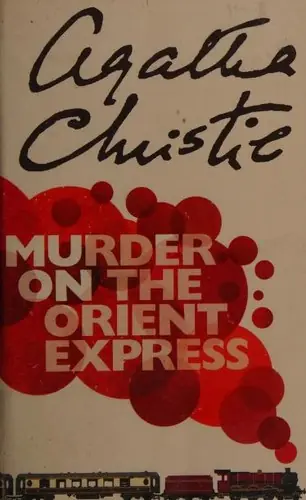
A snowdrift halts the Orient Express, and by morning an American passenger is found stabbed in his locked compartment. With the train stranded, Hercule Poirot questions thirteen passengers whose accounts do not add up, and uncovers the threads of an old crime.
A couple leave their sleeping baby at home while they attend a dinner party next door, checking on her every half hour. They return to an empty crib. The police suspect the parents, and both of them start learning what the other has been hiding.
Three men find a crashed plane, a dead pilot and a bag of money in the snow. What starts as a quiet decision to keep the cash spirals into suspicion, lies and violence, as each tries to hold together a plan that keeps changing.
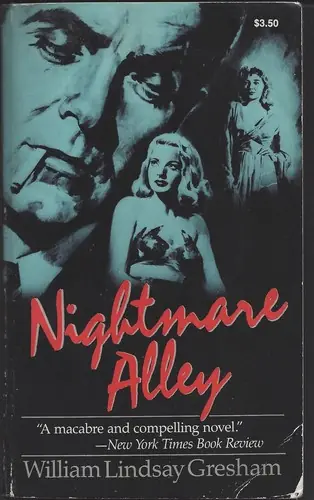
Stan Carlisle works the carnival, watching the geek at the bottom of the show and vowing never to fall that low. Clever and ambitious, he moves from a mind-reading act to spiritualist con, fleecing the rich, until his own past catches up with him.
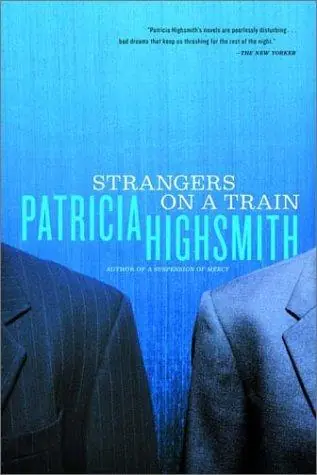
On a train, a charming stranger proposes an idea to architect Guy Haines: each man could murder the person ruining the other's life, since no one would suspect them. Guy dismisses it as a joke, until the other man acts on the plan and pulls him into a nightmare of guilt that neither can escape.
A woman with no money and a criminal record takes a live-in job cleaning for a wealthy family. The wife is cruel, the husband is kind, and a locked door upstairs keeps drawing her attention as the household's rules grow stranger.
Through letters to her estranged husband, Eva looks back on the life of their son Kevin and on the years she struggled to feel any bond with him. She tries to understand the person he became, and to face her own part in what happened.
Years after her mother and sisters were killed and her teenage brother was convicted, Libby Day is approached by a group of true-crime enthusiasts who believe he is innocent. Short of money, she agrees to ask questions, and the answers force her to revisit what she remembers of that night.
On a night flight from London to Boston, Ted tells a stranger that he wishes his cheating wife were dead. Lily calmly offers to help him plan it. As their murder scheme takes shape in Boston, each of the narrators hides a past the others know nothing about.
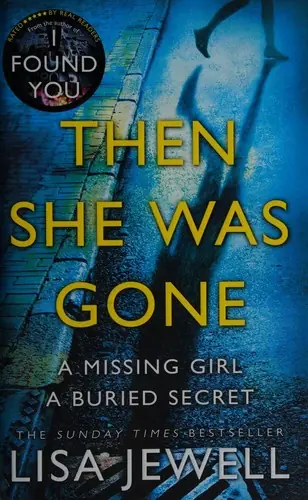
Ten years after her teenage daughter disappeared, a mother learns what happened and tries to rebuild her life. Meeting a new partner and his young daughter, she is unsettled by small resemblances to her lost child, which reopen the case.
When a girl is found dead in a wood outside Dublin, detectives Rob Ryan and Cassie Maddox take the case. For Rob the woods hold an old horror: as a child he was found there after two friends vanished, and he has never told anyone the full truth.
As a child she helped put her father away for killing girls. Twenty years later she is a therapist about to marry, when young women in her town begin to disappear again and the old case follows her into the present.
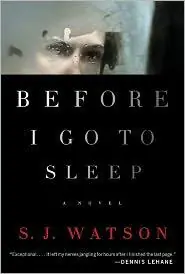
Each morning Christine wakes with no memory of her life, and each day her husband explains who she is. When she starts a diary at a doctor's suggestion, she finds entries in her own hand that contradict what he tells her, and that suggest her past holds a crime.
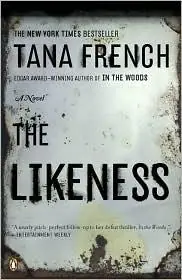
A detective who closely resembles a murdered woman is asked to pose as her among the victim's friends. Living inside another person's life, she finds the group's shared past and its secrets closing in on her own sense of who she is.
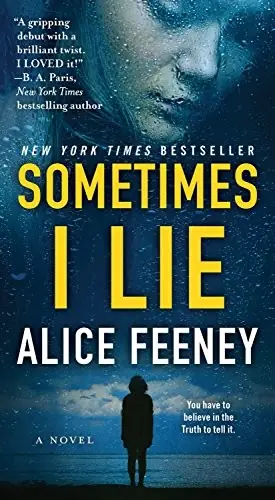
Amber Reynolds is in a coma, though she can hear the people around her and cannot move or speak. In her mind she sifts through the days before the accident and the diary entries from years earlier that do not quite match the life she thought she had.
Start with “The Lady Vanishes”, “The Taking of Pelham One Two Three”, “The Woman in the Window”: they are the closest to “The Passenger” in tropes and mood. Under each book in the list you will see what exactly it has in common.
How are similar books chosen?
We compare tropes (for “The Passenger” these are Train Journey, Survival, Psychological Thriller), genre, plot, era and tone. It is not “readers also bought”; it is similarity in the content itself.
Are there recent books in this list?
Yes. Among the newer ones are “The Woman in the Window”, “A Train in Winter”, “Bullet Train”. Switch the “Modern” filter to keep only books from 2000 onward.