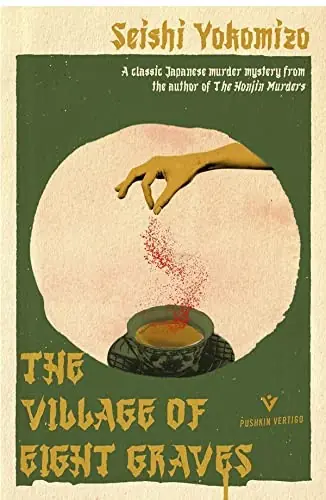
What to read after “The Village of Eight Graves” by Seishi Yokomizo: a list matched by tropes, mood and atmosphere. Under each book you will see what it has in common.
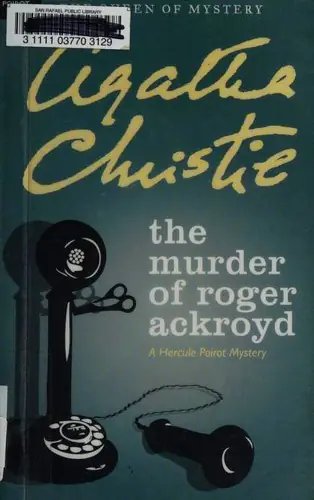
In the village of King's Abbot, the wealthy Roger Ackroyd is stabbed hours after learning a secret. Hercule Poirot, retired nearby to grow marrows, is drawn into the case, where everyone, including the narrator, seems to be telling less than the whole truth.
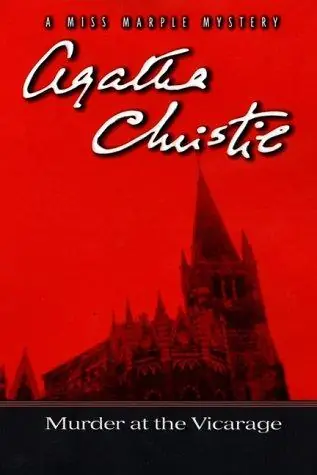
Colonel Protheroe is widely disliked in the village of St Mary Mead, so when he is found shot in the vicarage study almost everyone has a motive. As the police chase obvious suspects, the observant spinster Miss Marple follows the quiet gossip and small deceits of her neighbours to the truth.
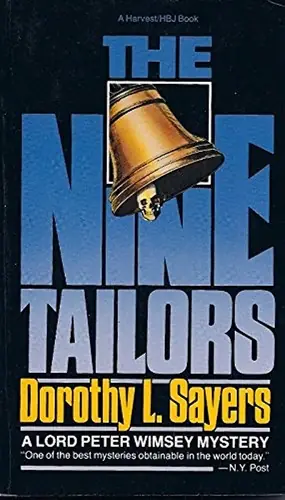
Lord Peter Wimsey is stranded by floods in the fenland village of Fenchurch St Paul over New Year. Months later a battered body is found in a newly opened grave, and Wimsey must read the village's bell-ringing lore and an old jewel theft to give the dead man a name.
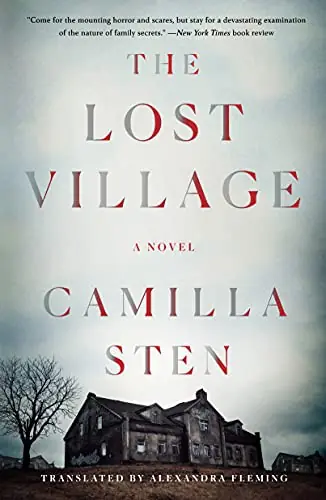
In 1959 every resident of a remote Swedish mining village vanished, leaving one dead woman and a newborn behind. Decades later, documentary maker Alice Lindstedt brings a small crew to the abandoned village to film the truth, but equipment fails, people disappear, and the empty streets begin to feel occupied.
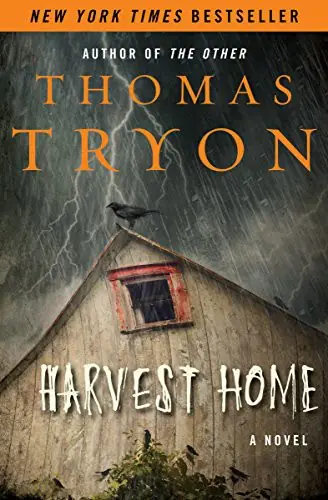
A New York family moves to an isolated Connecticut village where the people keep to the old ways and celebrate the corn harvest with rituals closed to outsiders. The father grows suspicious of the village herbalist and of the honour given to the coming Harvest Home, while his wife and daughter settle happily into village life.
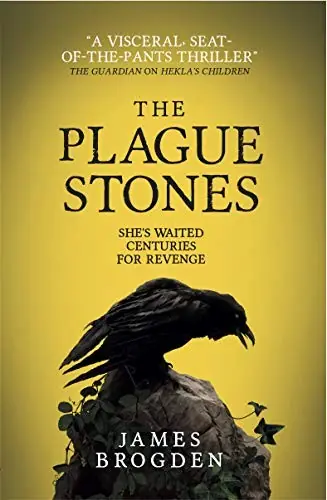
After a break-in, a London couple moves with their son to a remote village where Tricia has inherited a house. Old stones around the village once marked the boundary beyond which plague victims could not pass, and each year the trustees renew it with a ceremony. When the family breaks the custom, the village learns what the boundary was really holding back.
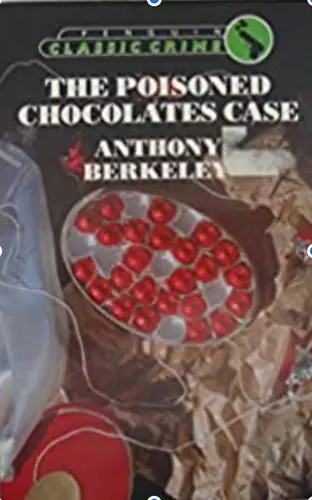
A box of poisoned chocolates kills a man at his club, and the police can find no culprit. Six members of the Crimes Circle, an armchair detective society, each offer a different solution to the same murder, until amateur sleuth Roger Sheringham tests their theories against the facts.
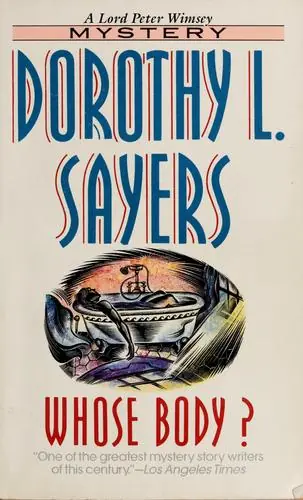
Lord Peter Wimsey is intrigued when a corpse is found in a bathtub wearing nothing but a pair of gold pince-nez, while a financier has gone missing. Aided by his butler Bunter and a Scotland Yard inspector, he works out how the body came to be there.
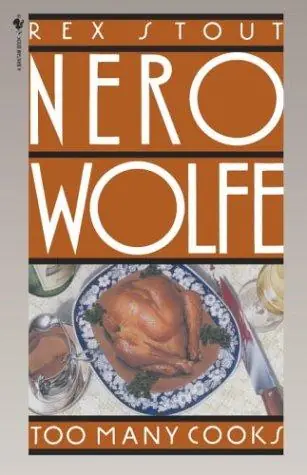
Nero Wolfe is lured out of his brownstone to a gathering of the world's great chefs, and one of them is poisoned. When the killer turns toward Wolfe himself, he and Archie Goodwin must sort through the guests of a secretive culinary society to name the murderer.
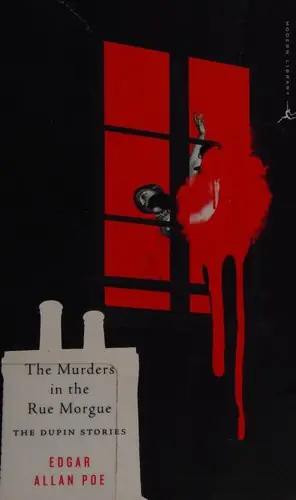
In a locked Paris apartment, a woman and her daughter are found brutally murdered with no sign of how the killer entered or left. The reclusive, eccentric C. Auguste Dupin takes up the case and solves it by pure reasoning, in the story often called the first detective tale.
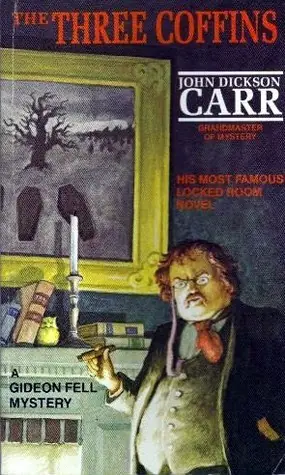
On a foggy London evening a professor is shot dead inside a room locked from within, with fresh snow outside showing no footprints. Dr. Gideon Fell investigates the impossible killing and, along the way, explains how a locked-room murder can be done.
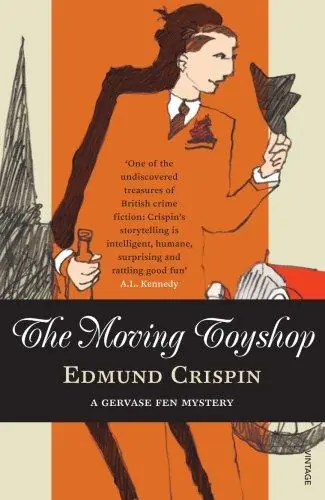
Poet Richard Cadogan arrives in Oxford, finds a woman's body in a toyshop and is knocked out. When he returns with the police the shop has become a grocer's. With his friend, eccentric professor Gervase Fen, he hunts for the vanished corpse and the trick behind the impossible scene.
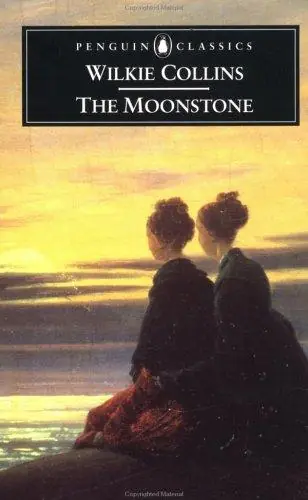
A priceless yellow diamond looted from an Indian temple is left to Rachel Verinder on her birthday, and vanishes the same night. Family, servants, doctors and a famous detective each tell their part of the story as suspicion moves from one person to another.
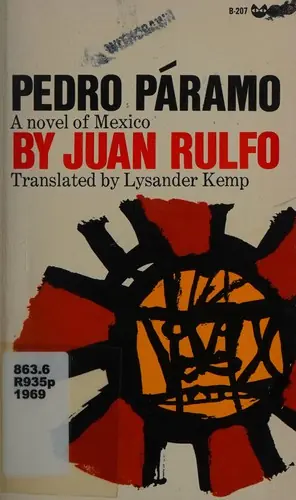
Juan Preciado travels to the village of Comala to find the father he never knew, as his mother asked on her deathbed. The village is nearly empty, and the people he meets speak of Pedro Páramo, the landowner who shaped and ruined the place. Their voices carry the story back through years of love, cruelty and grief.
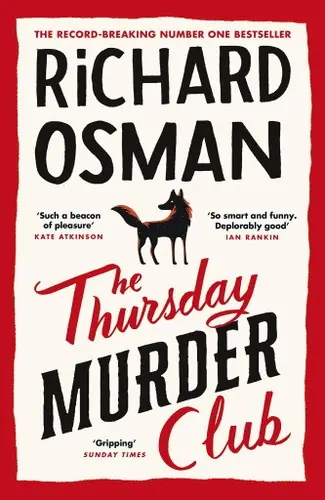
Four friends in a retirement village meet weekly to look over unsolved crimes, until a murder happens on their doorstep. As the bodies add up, they use a lifetime's worth of skill and nosiness to work the case the police cannot close.
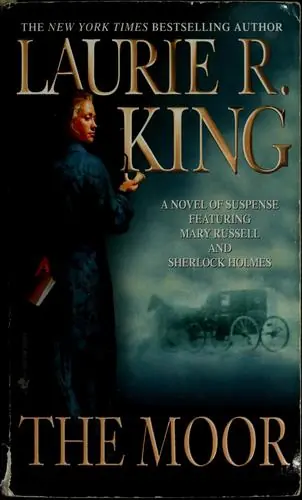
Sherlock Holmes summons Mary Russell to Dartmoor to investigate a death and a series of strange sightings: a spectral coach made of bones and a hound with a single glowing eye. Revisiting the ground of The Hound of the Baskervilles, they probe the fog, bog and local legends with the help of the Reverend Sabine Baring-Gould, an ageing clergyman and folklorist.
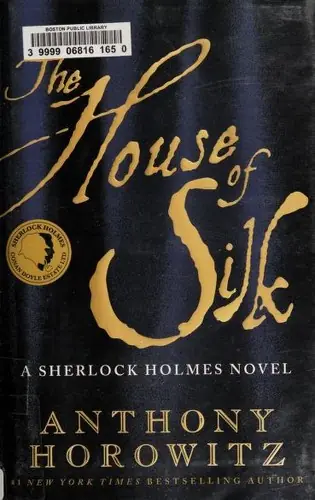
Sherlock Holmes is asked to guard a London art dealer who is being followed, and the case opens onto two mysteries: a gang known as the House of Silk, and a crime so dangerous that Watson can only set it down years later, in a final untold adventure.
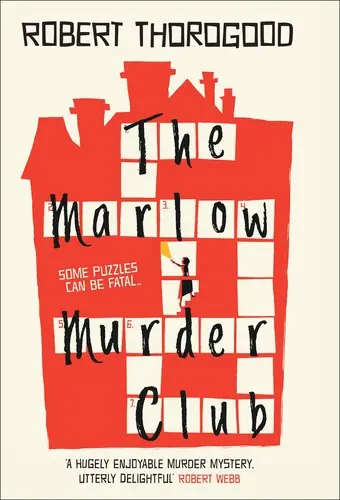
When Judith Potts hears a shot while swimming in the Thames near her home, the police see nothing strange. She teams up with a dog walker and a vicar's wife to investigate, and the three amateur sleuths begin to uncover the town's secrets.
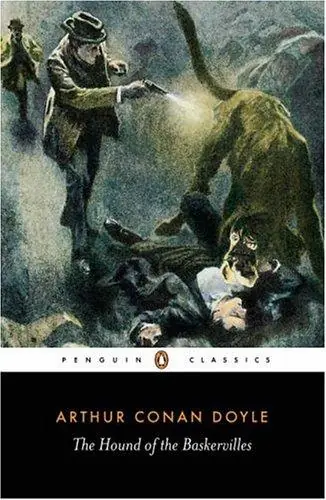
Legend says a demonic hound haunts the Baskerville family on the Dartmoor moors. Holmes and Watson look into the death of Sir Charles and protect his heir from whatever stalks the fog-bound landscape.
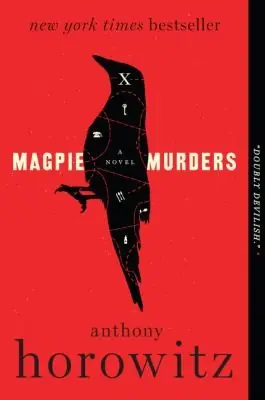
Editor Susan Ryeland receives the manuscript of the ninth Alan Conway mystery, but the last chapters are missing and the author is dead. As she reads the country-house puzzle inside the book, the writer's real quarrels and the missing pages draw her into a case of her own.
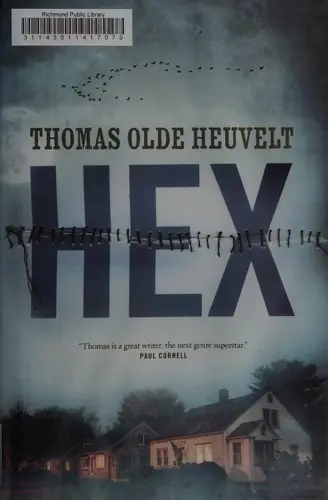
In the town of Black Spring, a seventeenth-century witch walks the streets with her eyes and mouth sewn shut. The elders hide the curse from outsiders, but bored teenagers who want to broadcast her presence set off events that no one can undo.
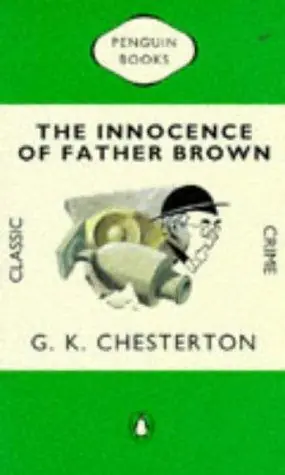
A quiet Catholic priest with a mild manner and an eye for human nature solves impossible crimes that baffle the police. Across twelve stories he uncovers murderers, thieves and impostors, often relying on ordinary details that everyone else has overlooked.
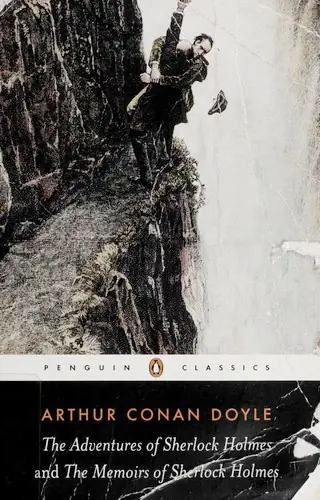
Twelve stories follow London's most observant detective and his friend Dr Watson as they untangle impossible crimes, strange clients and quiet suburban mysteries from their rooms on Baker Street.
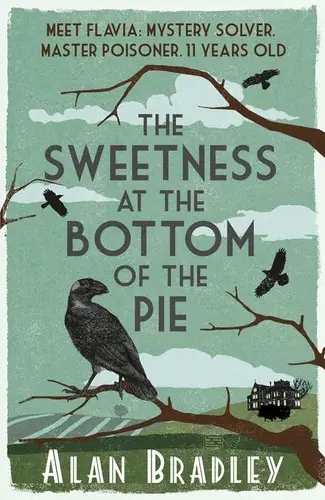
Eleven-year-old Flavia de Luce, a chemistry-obsessed girl with a bicycle and a talent for poisons, finds a dying man in the cucumber patch of her family's crumbling English manor and sets out to solve the murder before the police can.
What should I read after “The Village of Eight Graves”?
Start with “The Murder of Roger Ackroyd”, “The Murder at the Vicarage”, “The Nine Tailors”: they are the closest to “The Village of Eight Graves” in tropes and mood. Under each book in the list you will see what exactly it has in common.
How are similar books chosen?
We compare tropes (for “The Village of Eight Graves” these are Cursed Village, Eccentric Detective, Small Town Secrets), genre, plot, era and tone. It is not “readers also bought”; it is similarity in the content itself.
Are there recent books in this list?
Yes. Among the newer ones are “The Lost Village”, “The Plague Stones”, “The Thursday Murder Club”. Switch the “Modern” filter to keep only books from 2000 onward.