 Comfort Read
A comfort read is a book you pick up because you want to feel better, not because you want to be tested. The story is warm, the people are mostly kind, and the ending settles the questions that matter. Readers search for it as comfort read or feel-good book, and the label describes the reader's reason for picking a book up as much as the book itself.
A book for a bad week
Comfort reads do a job. They are for a rough week, a long train ride or a stretch when anything heavy feels like too much. The best ones are predictable in the right way: you know the tone, you trust the author to be kind to the characters, and you can start again from the first chapter without getting bored.
That predictability is also why people re-read them. The same book becomes a small ritual, a familiar room you can walk into when you need one. Comfort reads are rarely lazy on craft, since making warmth feel real instead of sugary is hard.
What tends to be in the room
Most comfort reads share a few ingredients. The characters are often outsiders or people in transition, and the story gives them a place to belong. There is usually a small community, a shared meal or a shop, and a slow build of small kindnesses. The conflict is real enough to matter but rarely cruel for long.
The voice matters as much as the plot. A gentle narrator, a dry sense of humour or a habit of noticing ordinary things makes the reader feel looked after by the book itself.
Books that feel like a warm room
“Legends & Lattes” is the easiest place to begin. Viv, a battle-weary orc, trades her sword for an espresso machine and opens the first coffee shop in the city of Thune. With a hobgoblin carpenter, a reformed succubus and a skeletal latte artist she builds a new life, though her old mercenary crew has not finished with her yet.
“Before the Coffee Gets Cold” is short and quietly moving. In a small Tokyo cafe, one seat lets a visitor travel to the past, with firm rules: you cannot change the present, you must not leave the seat, and you must return before the coffee goes cold. Four customers sit down, each hoping to say what was left unsaid.
“A Man Called Ove” is a comfort read with a grumpy centre. Ove is a widower who has decided there is nothing left for him, until a noisy young family moves in next door and keeps interrupting his plans. Fredrik Backman lets the neighbourhood wear him down piece by piece.
“Remarkably Bright Creatures” is a gentler kind of mystery. Tova Sullivan cleans the local aquarium at night and talks to Marcellus, a clever giant Pacific octopus. When Marcellus works out the answer to a loss that has haunted her for years, three quiet lives start to knit together.
“The Thursday Murder Club” is the cozy-mystery version. Four friends in a retirement village meet weekly to look over unsolved crimes, until a murder happens on their doorstep. Richard Osman's banter does a lot of the comfort work.
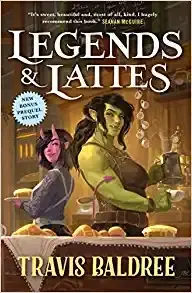
Legends & Lattes
Travis Baldree
2022
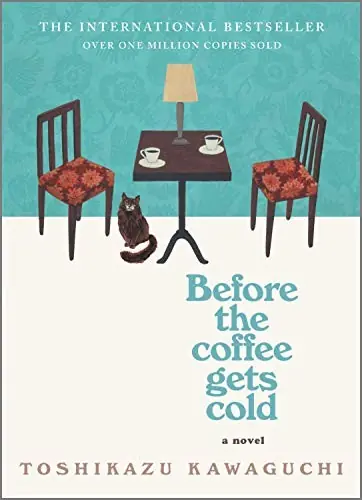
Before the Coffee Gets Cold
Toshikazu Kawaguchi
2015
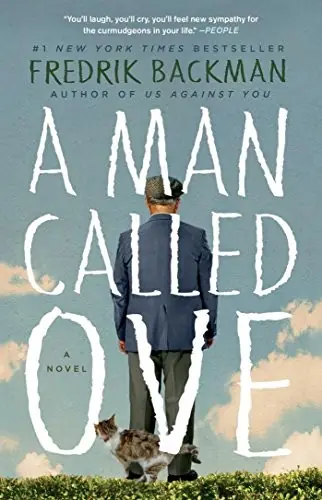
A Man Called Ove
Fredrik Backman
2012
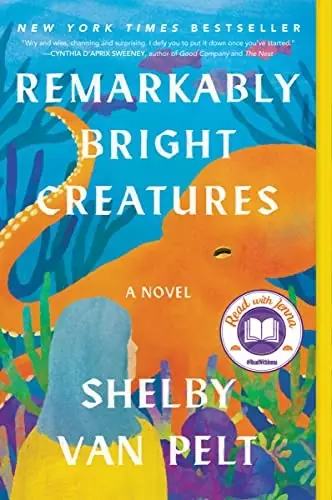
Remarkably Bright Creatures
Shelby Van Pelt
2022
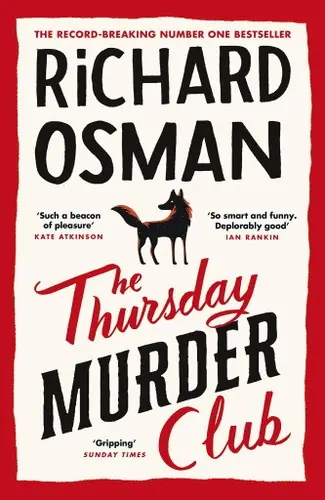
The Thursday Murder Club
Richard Osman
2020
Outside the catalog, Emily Henry's Beach Read (2020) is a romance comfort read with a lot of humour. Two novelists spend a summer in neighbouring beach houses and challenge each other to write outside their usual genres. There is real grief under the banter, so the comfort comes from the warmth of the love story, not from an absence of pain.
When comfort turns to sugar
The main trap is the book that looks like comfort but is only sugar. If every problem vanishes after one kind gesture, the story feels hollow, and readers who wanted something to stay with them come away unsatisfied. The strongest comfort reads let characters struggle and then give the struggle a meaning.
A second issue is that comfort is personal. A book that soothes one reader may strike another as dull or too sweet. A Tokyo cafe with a time-travel rule and a retirement village with a murder are both warm, but not in the same way. Check the blurb and a few reviews before you commit.
Where to start
If you want one easy book, take “Legends & Lattes”. For something short and a little magical, “Before the Coffee Gets Cold” suits a rainy evening. “A Man Called Ove” is for anyone who likes a grump who softens, and “The Thursday Murder Club” is the choice for a mystery without much dread.
Find books with the “Comfort Read” trope
28 books in the catalog. Add and exclude tropes, filter by genre and year.
Open in search
Frequently asked questions
What does comfort read mean in books?
It is a book chosen for how it makes you feel rather than how much it challenges you. Comfort reads are usually warm, kind and hopeful, with an ending that settles the important questions, and they are often re-read.
Is a comfort read the same as a cozy mystery?
Often there is overlap, because a cozy mystery is designed to be gentle. A comfort read can be any genre, though, including romance, fantasy or literary fiction, as long as it leaves you reassured.
Do comfort reads always have happy endings?
Most do, or at least a satisfying one. Some comfort reads have sad moments along the way, but the book is built so that the ending feels like a kind of rest, not a blow.
Which comfort read should I start with?
For a gentle, funny story, try Legends and Lattes. For something short and magical, Before the Coffee Gets Cold is a good first pick. A Man Called Ove suits readers who like a grumpy character who softens.