 Found Family
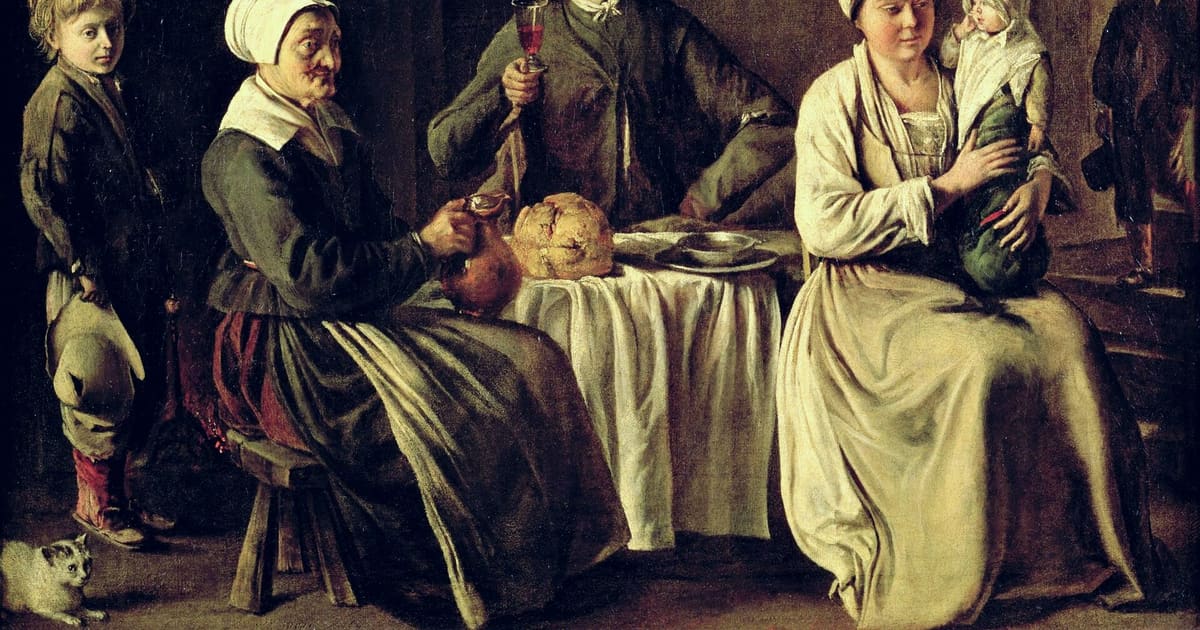
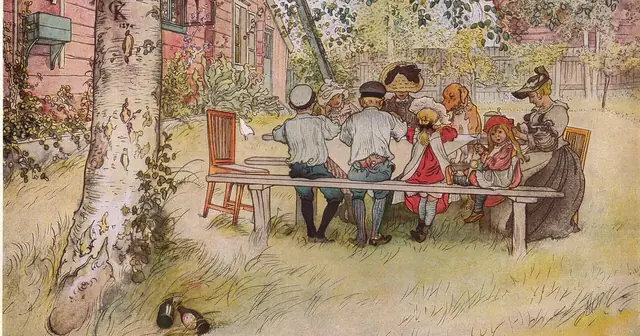
Found family, also called chosen family, is a trope in which characters who have lost, left, or never had a reliable family build one from the people around them. The bond is a choice, and the story treats it as seriously as a blood relationship.
What found family means
The phrase describes both a plot pattern and a type of relationship. A group of friends can be close without becoming a family in the story's terms. Found family usually needs a gap where a family should be, a group that fills it, and a moment when the characters accept the role, in words or through what they do for one another. The family might be a crew, a gang, a retirement club, or an adult and a child who share no blood.
Readers return to the trope because it makes belonging look possible. A character does not have to be forgiven by relatives or returned to a birthplace. They can cook dinner, take a shift, and become someone the others expect to see. The appeal is not that blood families are worthless. It is that family can also be built. The best versions keep the friction: people bicker, keep secrets, and still come back.
How the trope works
Most found family stories move through five stages.
- An empty place. The character has lost family, left it, or never had one they could rely on.
- A practical reason to stay. Work, travel, a shared danger, or a job keeps the group together before anyone wants to be there.
- Shared daily life. Meals, chores, jokes, and small favors turn strangers into people with roles in each other's lives.
- A test. One member is threatened, or the group has to choose between safety and loyalty.
- A name for it. Someone calls the group a family, or a ritual makes the bond official without paperwork.
The details matter more than the declaration. A crew that only saves each other in battle can still feel like colleagues. A crew that argues over breakfast and leaves a light on for a late arrival feels like a family. Found family grows in the ordinary scenes between the plot.
Variations and nearby tropes
- The crew or team. A ship or a heist crew becomes a household with its own habits.
- The accidental household. Strangers share a house after a loss or a disaster, and the arrangement turns permanent.
- The adult and the child. A lonely adult takes in a young character, and both discover what they were missing.
- The friends who become siblings. The group defines itself against the families that rejected it, and the friendship takes on the weight of kinship.
Found family often overlaps with coming of age, where a young character leaves a bad home and finds a better one. It pairs naturally with cozy fantasy and with slow burn when the bond turns romantic. A group that only shares danger is closer to a band of brothers. The difference is whether the story shows the group choosing to stay together after the crisis ends.
Books that show it well
Six of Crows
Leigh Bardugo
2015
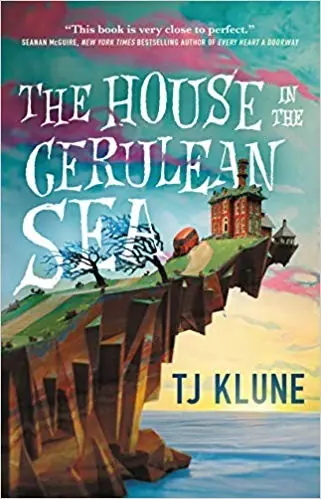
The House in the Cerulean Sea
T. J. Klune
2020
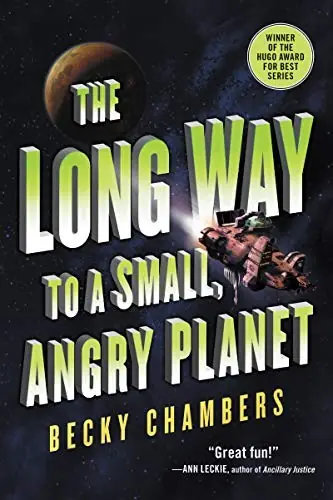
The Long Way to a Small, Angry Planet
Becky Chambers
2014
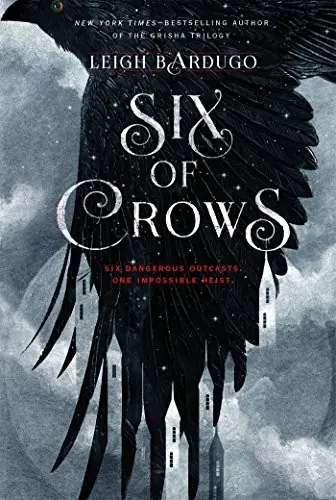
In “Six of Crows”, Leigh Bardugo puts six outcasts on a heist none of them can complete alone. Each has a useful skill and a reason to distrust the others, and the long job teaches them how the group works. The loyalty that forms is practical before it is tender.
“The House in the Cerulean Sea” is the warm version. Linus Baker, a lonely caseworker, visits an island orphanage and slowly becomes part of the household he was sent to inspect. The story finds its family in shared meals and small acts of care.
“The Long Way to a Small, Angry Planet” treats a ship's crew as a home. The plot is a long delivery run, so much of the book happens in the mess hall and the corridors. The crew members arrive with different histories and become the people each of them calls first.
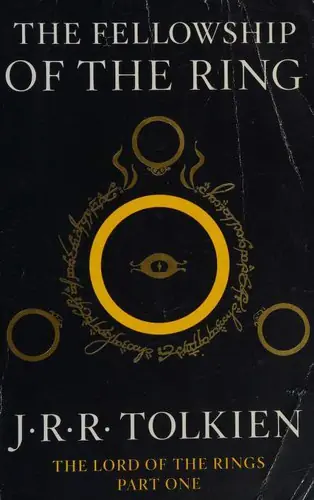
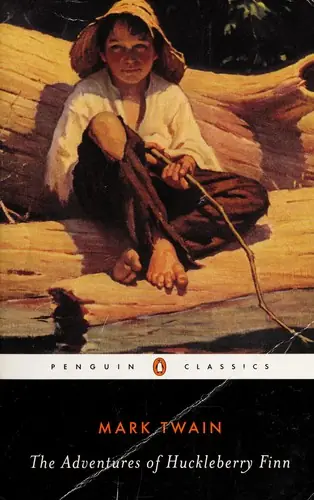
The classics use the same shape. In “The Fellowship of the Ring”, nine companions from different peoples become a company that works like a family. In “Adventures of Huckleberry Finn”, the raft gives Huck and Jim a small home apart from the society that rejects them. “Anne of Green Gables” lets Anne find a place with the Cuthberts, who choose to keep her. “The Outsiders” makes the greasers explicit: their loyalty is the family that their homes do not provide.
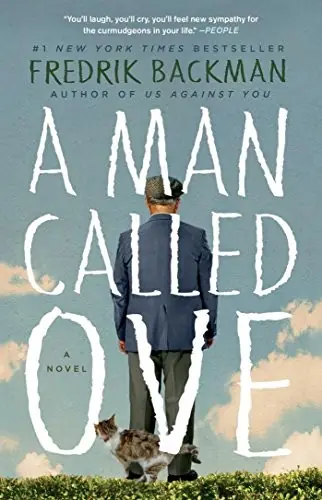
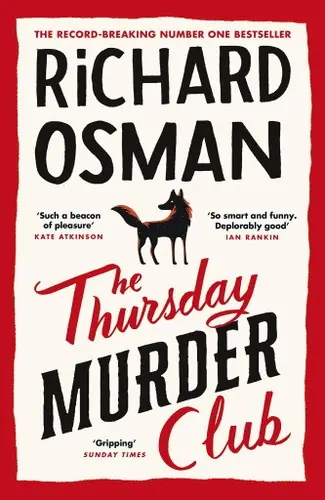
Recent fiction keeps finding new versions. In “The Book Thief”, the Hubermanns take in Liesel and become her parents in practice. “A Man Called Ove” lets a grumpy widower be pulled into his neighbors' lives. “The Thursday Murder Club” turns four retirement-village friends into an investigating unit. “Project Hail Mary” builds its family from two survivors who have no one else.
Where found family stories go wrong
The common failure is a group called a family before the story shows why. If the characters share one adventure and then speak about loyalty, the word does not land. Another problem is uneven work: one character does all the emotional labor while the rest stay types. Sometimes the conflict disappears once the group forms, leaving nothing to test the bond. Readers also disagree about unequal relationships, especially between an adult and a child or a captor and a captive. Warmth does not erase a power imbalance.
Where to start
Find books with the “Found Family” trope
104 books in the catalog. Add and exclude tropes, filter by genre and year.
Open in search
For a gentle introduction, read “The House in the Cerulean Sea”. For fantasy with a sharper edge, pick “Six of Crows”. If you want a classic, “Adventures of Huckleberry Finn” is short and direct about two people making a home on the move.
Frequently asked questions
What does found family mean in books?
It means that characters who are unrelated, or cut off from their relatives, become a family by choice. The story shows them sharing a home, taking care of each other and treating the bond as real.
Is found family always romantic?
No. Found family is usually platonic and can include a whole group: a crew, a household or a group of friends. A romance can grow inside that group, but it is not required for the trope.
Is chosen family the same as found family?
Yes, the two terms describe the same idea. Chosen family is the older phrase; found family became the common label in book communities and fandom.
Which found family book should I read first?
For a warm, low-stakes story, start with The House in the Cerulean Sea. For fantasy with a dangerous job and a prickly crew, try Six of Crows. For a classic, read Adventures of Huckleberry Finn.