 Cozy Fantasy
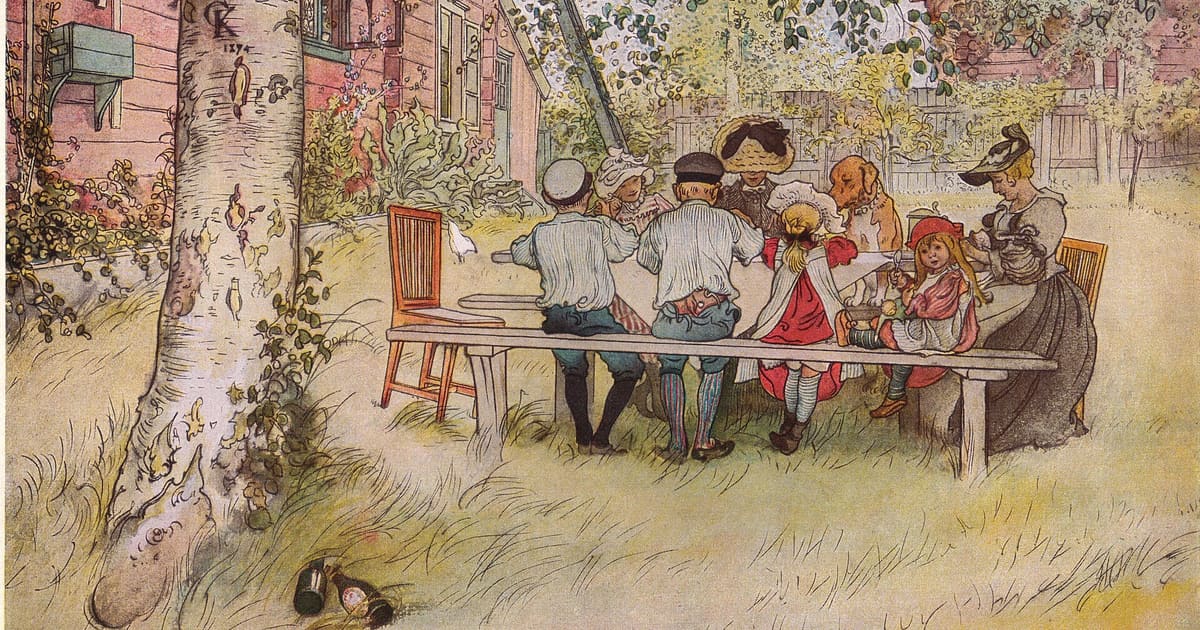
Cozy fantasy is a kind of fantasy that keeps the magic and the imagined world but turns the stakes down, so the story is about a shop, a village, a friendship or a home rather than a fight to save the world. Readers also look for it as "cosy fantasy" or "comfort fantasy", and it borrows its name and its mood from the older cozy mystery shelf.
Why readers come back to it
Cozy fantasy offers the pleasures of a fantasy setting without the dread. There are dragons, witches and familiar spirits, but they bake bread, argue about rent or help run an inn. The tension is personal: a business that may fail, a spell that has gone wrong, a newcomer who has to earn the town's trust. Because the danger is small, the reader can settle in and notice the details.
That sense of safety is the engine of the genre. Romance readers trust that the couple will find each other; cozy fantasy readers trust that the community will hold. Food and drink carry much of that comfort, and so do small rituals, changing seasons and the ordinary rhythm of a working week.
How a cozy fantasy is built
Most books in the genre follow a loose shape.
- A retreat from a larger life. A soldier, a scholar or a magician steps away from danger.
- A place to make. They open a shop, repair a cottage or settle in a village.
- A circle that forms. Neighbours, colleagues and regulars become friends, and often a found family.
- Small troubles. The problems are local and solvable, though they still cost something.
- A gentle romance. A slow-burn romance often runs underneath, with little explicit content.
Magic in these stories is domestic and useful. A spell keeps the jam from setting, a familiar has opinions, a kettle boils itself. The wonder lives in ordinary things.
Variations and nearby tropes
The label sits beside several others, and the borders stay blurry.
- Low-stakes fantasy keeps the danger small, but not every low-stakes book feels warm; cozy fantasy adds the comfort.
- found family is close to a signature of the genre, whether the group gathers around a shop or an orphanage.
- Slice of life focuses on ordinary days. Many cozy books lean on it, but a mild quest can still feel cozy.
- Hopepunk shares the kindness and the optimism, though it often turns toward resistance and politics.
- Cozy mystery is the older cousin: the word "cozy" has described gentle crime fiction for decades.
Two other labels come up often. slow burn names the unhurried romance many of these books carry, and fae covers the fairy-tale folklore that runs through several of them.
Books that show the trope
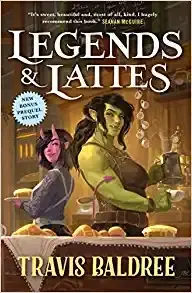
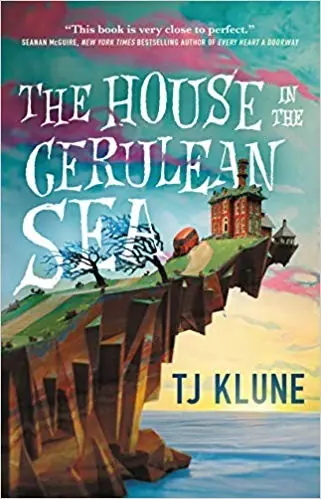
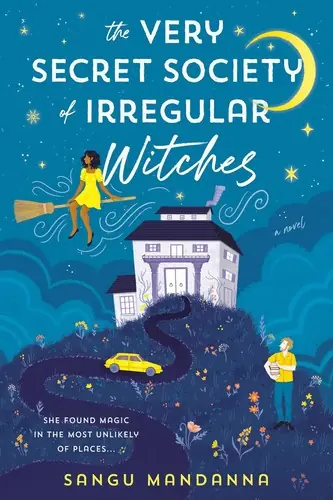
The book most often credited with bringing cozy fantasy to a wide audience is “Legends & Lattes” by Travis Baldree, in which an orc retires from fighting and opens a coffee shop. The same warmth drives “The House in the Cerulean Sea”, where a lonely inspector visits an island orphanage, and “The Very Secret Society of Irregular Witches”, about a witch asked to teach three young children.
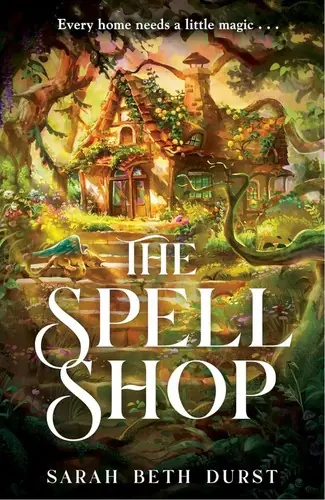
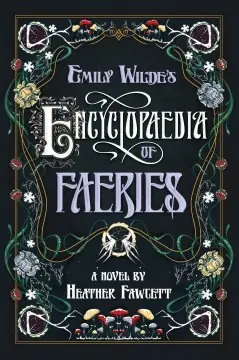
Settling into a new place is the whole story of “The Spellshop”, where a librarian flees a fire with crates of spell books, and of “The Cat Who Saved Books”, in which a grieving boy and a talking cat walk through a labyrinth of libraries. “Assistant to the Villain” keeps the light tone while moving the setting to a villain's fortress, and “Emily Wilde's Encyclopaedia of Faeries” adds folklore fieldwork and a grumpy colleague.
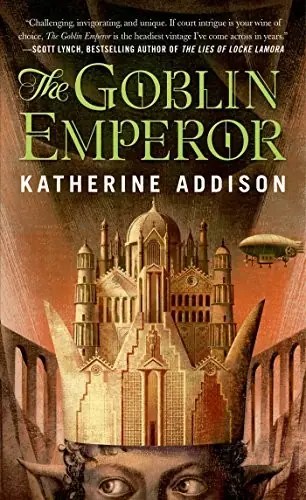
The roots reach further back. “Howl's Moving Castle” by Diana Wynne Jones, with its moving castle and vain wizard, is often named as an early example, and “The Goblin Emperor” brings the same gentleness to a court full of intrigue. “Tress of the Emerald Sea” by Brandon Sanderson shows that even a sea voyage can stay cozy.
A few well-known books sit just outside the catalog. "A Psalm for the Wild-Built" by Becky Chambers is a short, quiet story about a tea monk and a robot. "Can't Spell Treason Without Tea" by Rebecca Thorne follows two women who open a bookshop and tearoom together. Many readers also trace the feeling back to "The Hobbit" by J.R.R. Tolkien, long before anyone had a name for it.
What can put readers off
- Low stakes can read as no plot. If nothing is at risk, some readers lose the thread.
- The label is used loosely. Books sold as cozy sometimes contain real danger and even death, which divides readers who came for comfort.
- Sweetness needs contrast. Without a little friction, warmth can feel flat.
- Romance is optional. Some cozy fantasy has no romance at all, and readers who expect it may be disappointed.
Where to start
Find books with the “Cozy Fantasy” trope
11 books in the catalog. Add and exclude tropes, filter by genre and year.
Open in search
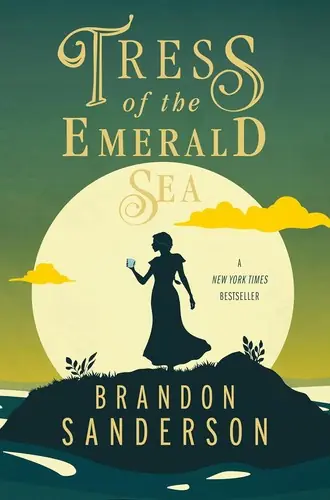

For the clearest example, begin with “Legends & Lattes”. For a found family on a remote island, try “The House in the Cerulean Sea”, and for a classic that predates the label, pick up “Howl's Moving Castle”. Readers who enjoy the tone but want more of a journey can look at “Tress of the Emerald Sea”.
Frequently asked questions
What does cozy fantasy mean?
It is fantasy with the stakes kept low and the mood kept warm. The imagined world, magic and strange creatures are still there, but the story is about a shop, a village, a friendship or a home rather than a fight to save everyone.
What is the difference between cozy fantasy and low fantasy?
Low fantasy usually means a setting close to the real world, and it can still be dark or violent. Cozy fantasy is about tone: the danger is small and personal, and the reader can trust that things will turn out well.
Does cozy fantasy always have romance?
No. Many cozy fantasy books carry a gentle slow-burn romance, but others focus on friendship, community or found family. If the romance matters to you, check the description before you start.
What should I read first?
Legends & Lattes is the clearest modern example. For a warm found family on an island, try The House in the Cerulean Sea, and for a classic that predates the label, pick up Howl's Moving Castle.