 Slow Burn
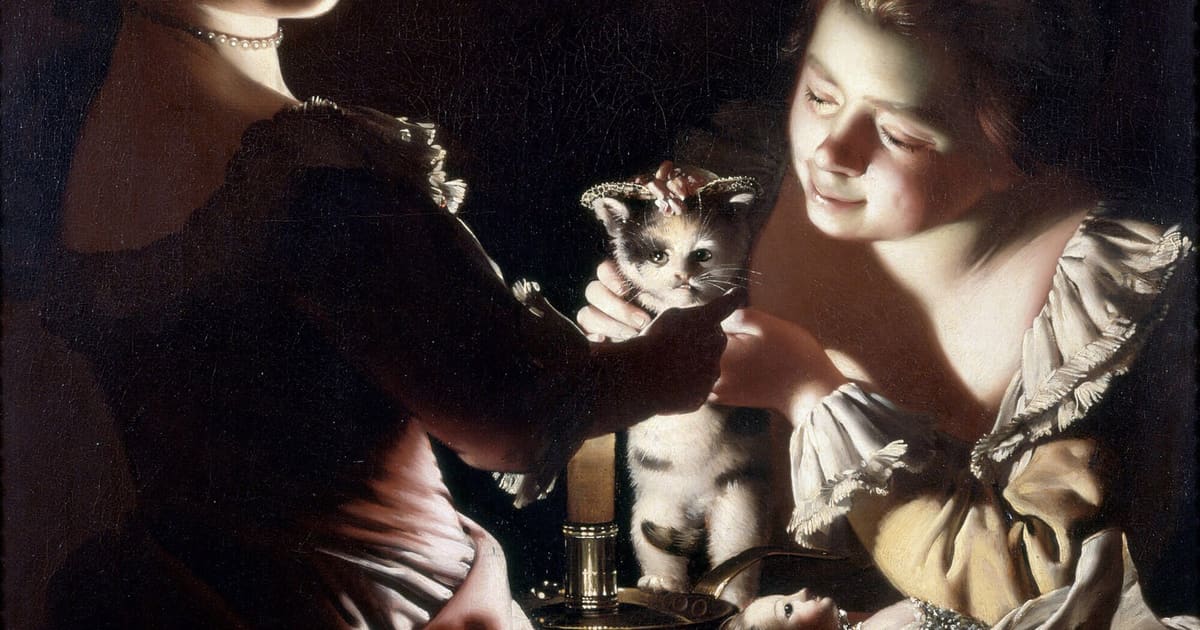
A slow burn is a romance that builds over the whole book: the attraction is clear early, but the characters get together late, and the waiting is the point. Readers also call it slow-burn romance, or simply slowburn, and it usually means the first kiss, confession or love scene arrives well past the middle of the story.
Why readers love the wait
The pleasure is in anticipation rather than speed. A slow burn gives the story hundreds of small moments to work with: a shared joke, a hand that almost closes the distance, a conversation that turns more honest than either character intended. Because the two keep choosing each other before they can name the feeling, the romance feels earned rather than assumed.
There is also the reading experience itself. When two people are clearly right for each other and refuse to admit it, the reader keeps turning pages. That frustration is part of the fun, and a good slow burn repays it with a scene the reader has waited a long time to reach.
How a slow burn is built
A slow burn is not simply a long book. Most well-built examples share five parts:
- Early attraction. The spark is on the page early, even if the characters deny it.
- A believable obstacle. Class, duty, a rival, a secret, a war or a rule at work keeps them apart for reasons that hold up.
- Repeated contact. Shared work, training, a journey or a small town gives them time to keep learning each other.
- Pining on both sides. Mutual longing, near-misses and unspoken feeling carry the middle of the book.
- One payoff. The release of tension arrives once and lands with the weight of everything before it.
The common mistake is to confuse slow burn with slow pace. The romance can move slowly while the plot does not; something else should always be happening, whether a mystery, a career, a family or a war.
Slow burn and the tropes around it
Slow burn is a pacing choice, so it sits comfortably beside almost any romance setup. enemies to lovers and friends to lovers both give two people a reason to spend time together while resisting the obvious, and forced proximity adds pressure from the situation itself. second chance romance slows the burn with history and regret, while mutual pining is close enough that readers often use the two terms together.
The opposite is instalove, where the couple falls almost on meeting and the story turns to what happens next. Neither is better; they promise different things. Slow burn trades speed for depth.
Slow burn books to try
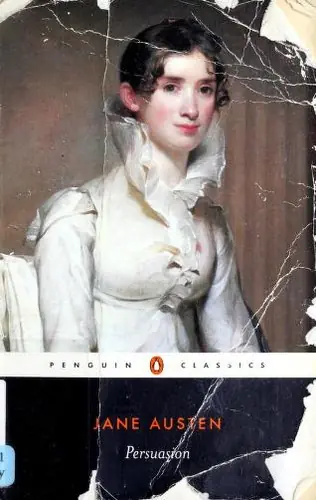
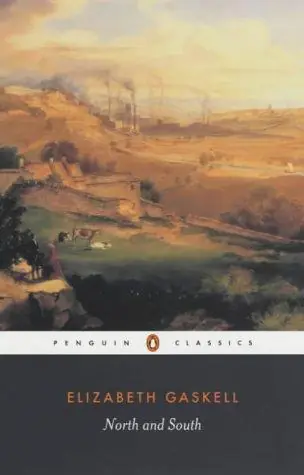
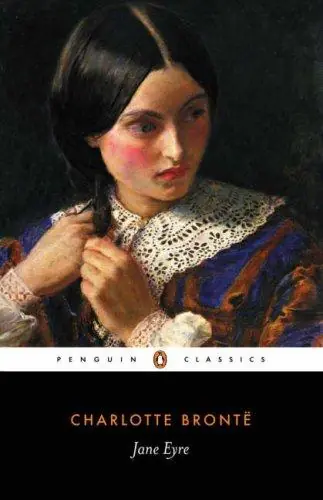
The classic example is “Pride and Prejudice”, where Elizabeth Bennet and Mr Darcy spend the novel misreading each other before respect turns warmer. “Persuasion” is quieter, built on eight years of regret and one more chance. In “Jane Eyre” a governess and her employer circle each other across a gothic house, and “North and South” lets a clash of class and pride thaw slowly in a mill town divided by a strike.
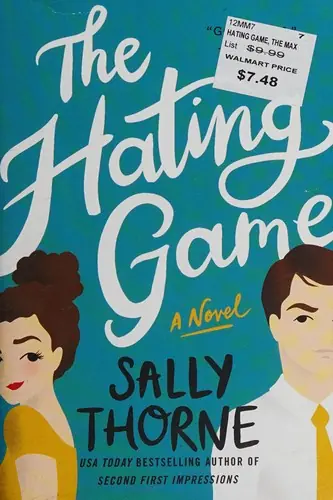
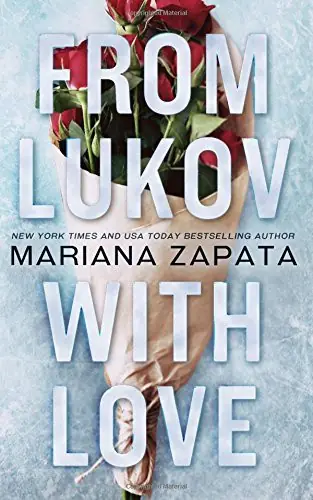
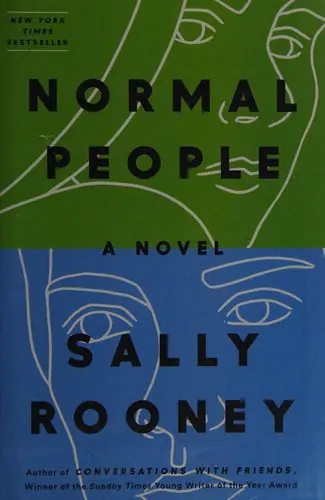
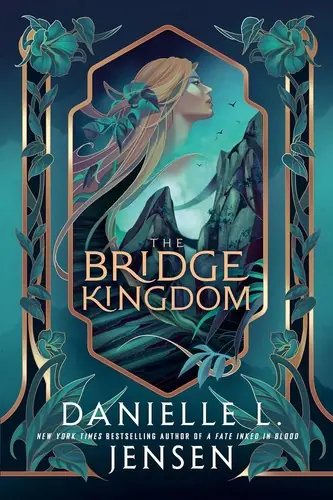
Modern romance makes the wait its selling point. “From Lukov with Love” puts two figure skaters through months of shared training before either admits anything. “The Hating Game” keeps its office rivals trading games long past the point where anyone believes the hatred. “Normal People” stretches its slow burn across years of returning to each other, and “The Bridge Kingdom” builds trust between a spy bride and the king she was sent to betray.
For fantasy with a gentler fire,
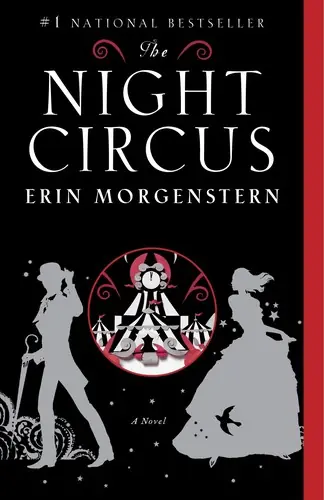
The Night Circus
Erin Morgenstern
2011
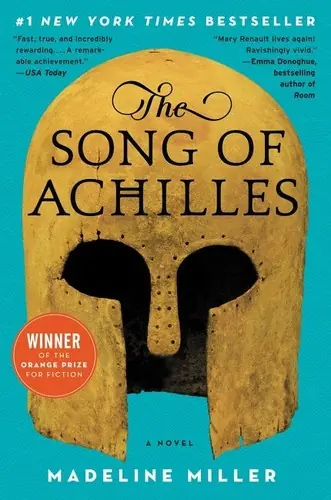
The Song of Achilles
Madeline Miller
2011
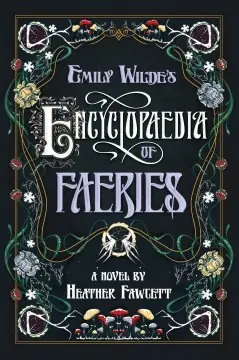
Emily Wilde's Encyclopaedia of Faeries
Heather Fawcett
2023
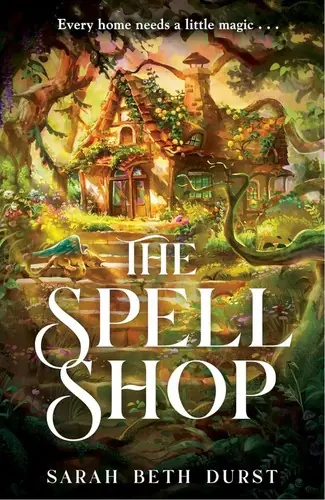
The Spellshop
Sarah Beth Durst
2024
What can go wrong
Not every long wait works.
- No reason to wait. If nothing believable keeps the couple apart, the delay reads as stubbornness instead of tension.
- Slow burn as slow pace. When the rest of the plot stalls too, readers lose interest before the payoff.
- Near-misses that repeat. The same almost-kiss again and again stops building and starts stalling.
- An unearned payoff. If the confession lands flat, the whole book can feel like wasted time.
Some readers also dislike a quick physical start with a slow emotional burn, while others prefer exactly that. If the balance matters to you, check a few reviews before you commit.
Where to start
If you like classics, begin with “Pride and Prejudice” or “Persuasion”. For a modern romance, “From Lukov with Love” is one of the clearest examples of the form. Fantasy readers can start with “Emily Wilde's Encyclopaedia of Faeries”.
Find books with the “Slow Burn” trope
116 books in the catalog. Add and exclude tropes, filter by genre and year.
Open in search
Frequently asked questions
What does slow burn mean in books?
It means the romance develops slowly across most of the story. The attraction can be clear early, but the characters take a long time to act on it, and the first kiss or confession comes late.
What is the difference between slow burn and instalove?
Instalove puts the couple together almost on meeting and moves on to what happens next. Slow burn delays that moment and makes the waiting part of the story.
Do the characters get together in a slow burn?
Not always, but most romance novels pay the tension off with a confession or a first kiss near the end. The buildup is what readers come for, not the ending.
What should I read first?
For a classic, try Pride and Prejudice. For a modern romance, From Lukov with Love is a clear example. For fantasy, Emily Wilde's Encyclopaedia of Faeries is a good place to start.