 Enemies to Lovers
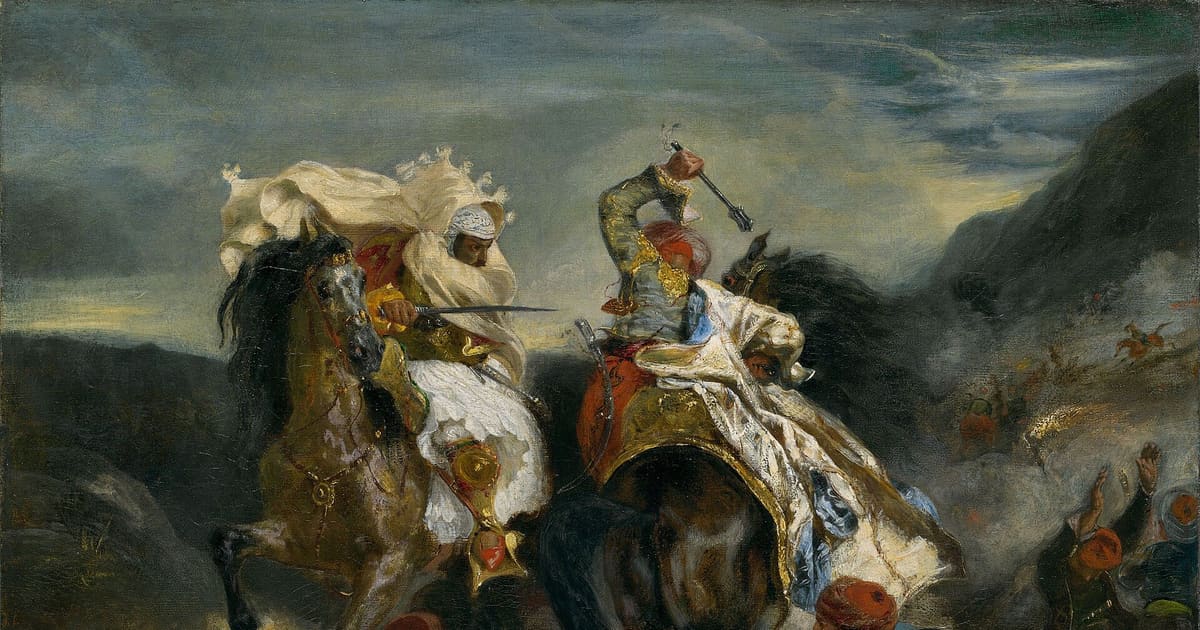
Enemies to lovers is the romance trope in which two characters begin as adversaries and slowly fall in love. Readers also search for it as hate to love or haters to lovers, and it shows up in Regency novels, fantasy, and contemporary romance alike.
Why the trope keeps its grip
The draw is friction. When two people already dislike each other, every exchange carries a charge: a sharp remark can hide interest, and a small kindness lands harder than a declaration. The reader waits for the moment the hostility cracks.
There is a second pleasure. Enemies do not flatter one another. They see the other person at their most guarded, and when respect finally arrives it has been tested. That makes the turn feel earned rather than convenient, and it gives both characters room to change.
How the trope usually works
Most versions follow a similar path.
- A real reason for the conflict. The two stand on opposite sides of a war, compete for one position, or are divided by class, family, or an old wrong.
- Forced proximity. A job, a journey, or a shared danger keeps them in the same rooms long enough to talk.
- The first crack. One sees something unguarded in the other: a sacrifice, a fear, a flash of humor.
- Denial. The feeling is admitted to the self but not spoken aloud, and the old hostility grows harder to hold.
- The reckoning. They answer for the harm done before the romance can stand on its own.
Variations and close neighbors
- True enemies. The two are on opposing sides of a conflict, which suits forbidden love and wartime fantasy.
- Rivals. They chase the same prize and respect each other from the start. Many readers treat this as its own trope.
- Social prejudice. The barrier lives in upbringing and rank, which fits comedies of manners.
- Captivity and power. One character holds power over the other. This version draws the sharpest disagreement about where romance ends and mistreatment begins.
The trope often travels with slow burn, forced proximity, and grumpy sunshine. It is not the same as a plot of pure misunderstanding, where a single honest conversation could clear the air; here the conflict is real.
Books that show it well
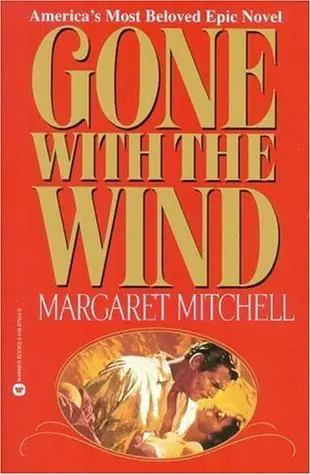
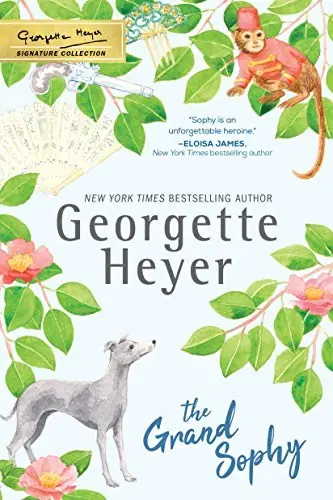
In the classics, “Pride and Prejudice” is the obvious starting point: Elizabeth Bennet and Mr. Darcy open with a slight and a refusal, and the change comes through honesty and self-appraisal rather than one grand gesture. “North and South” sets a similar clash across class lines, as Margaret Hale and mill owner John Thornton argue before either understands the other. “Gone with the Wind” lets Scarlett O'Hara and Rhett Butler trade barbs for years, and “The Grand Sophy” begins with Sophy and her cousin Charles at open war over how she behaves.
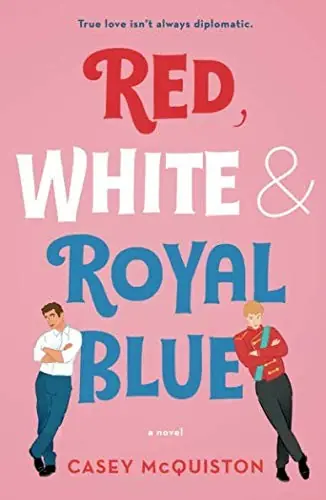
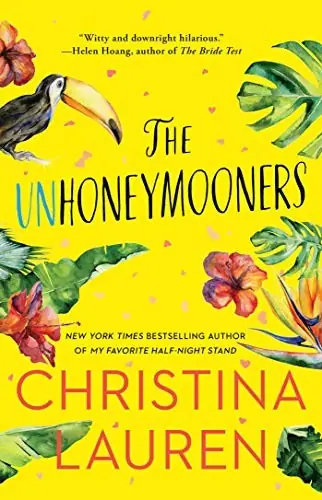
Contemporary romance leans on rivalry and banter. In “The Hating Game”, Lucy Hutton and Joshua Templeman share an office and a promotion they both want. “Red, White & Royal Blue” turns a public feud between a First Son and a prince into a slow thaw, and “The Unhoneymooners” pairs two people who cannot stand each other on a trip neither planned.
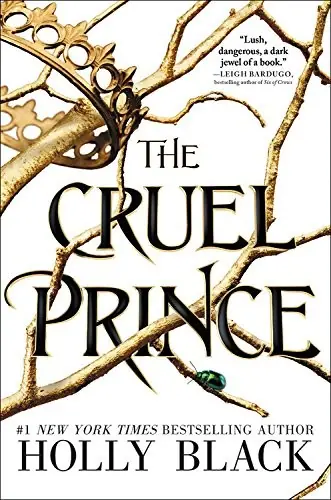
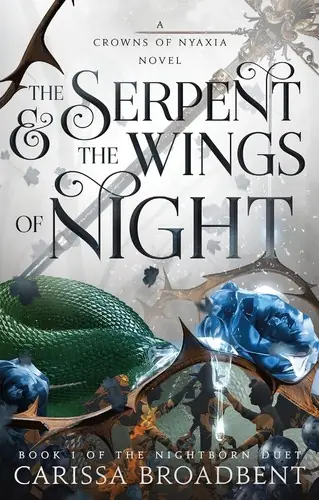
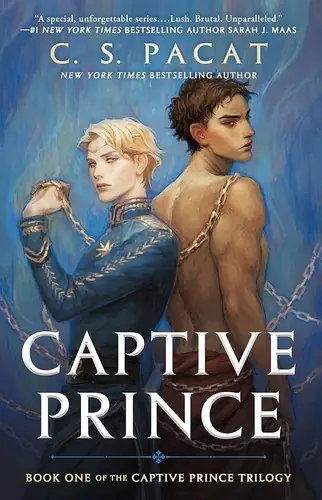
Fantasy and romantasy push the stakes higher, often putting the couple on opposite sides of a court or a war. “A Court of Thorns and Roses”, “Fourth Wing”, “The Cruel Prince”, “The Serpent and the Wings of Night”, and “Captive Prince” all use that distance as the engine of the romance.
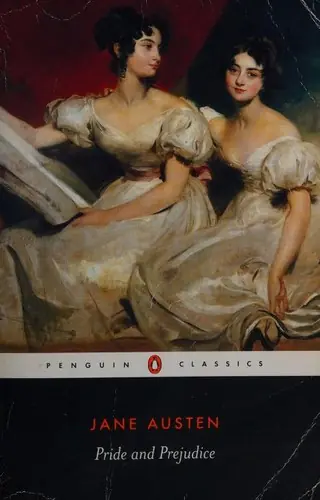
Pride and Prejudice
Jane Austen
1813
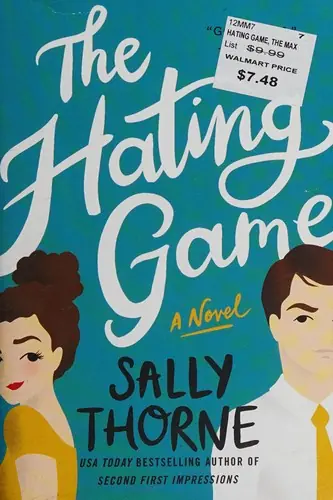
The Hating Game
Sally Thorne
2016
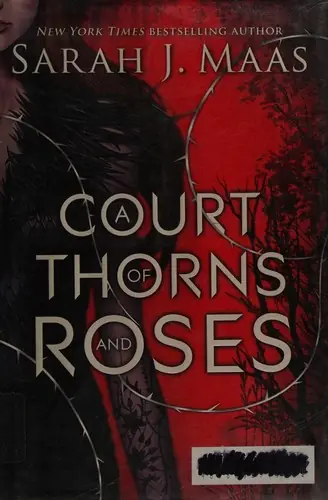
A Court of Thorns and Roses
Sarah J. Maas
2015
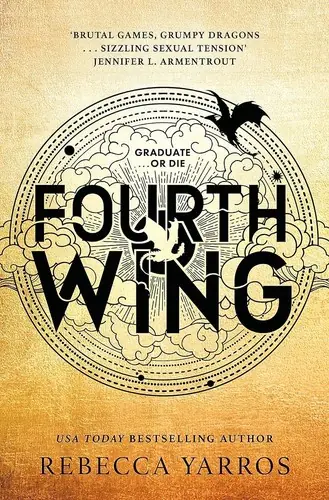
Fourth Wing
Rebecca Yarros
2023
Outside the catalog, two older examples are worth naming. Shakespeare's Much Ado About Nothing keeps Beatrice and Benedick trading insults until their friends trick them into admitting more, and Anne of Green Gables by L. M. Montgomery begins with Anne Shirley and Gilbert Blythe on the wrong foot for years.
Where it can go wrong
A few problems come up again and again.
- Hostility with no cause. If the two simply snap at each other, the eventual change feels unearned. The grudge needs a source the reader can believe.
- Cruelty sold as passion. Some readers are put off when one lead humiliates or coerces the other and the book frames it as romance. Blurbs and reviews are the quickest way to tell which kind of story you are picking up.
- A thaw that skips the bridge. Going from hate to love in a single scene flattens the arc. The best versions give the grudge time to cool.
Where to start
If you like classics, begin with “Pride and Prejudice”. For something light and modern, pick “The Hating Game”. If you want the trope with dragons and deadly trials, “Fourth Wing” is a common entry point.
Want this trope without a love triangle?
58 books in the catalog. Add and exclude tropes, filter by genre and year.
Search without “love triangle”
Frequently asked questions
What does enemies to lovers mean in books?
It is a romance arc in which two characters begin as rivals, opponents, or open adversaries and end up in love. The hostility is part of the plot: it shapes how they meet, how they argue, and why the eventual change matters.
What is the difference between enemies to lovers and rivals to lovers?
Rivals compete for the same prize and often respect each other from the start. Enemies oppose each other more deeply, across a conflict, a value, or an old wrong, so the distance they cross is wider.
Do enemies to lovers books always end happily?
Genre romance normally ends with the couple together. In literary fiction and classics the outcome is open, and some books leave the two apart. Check the blurbs if a happy ending matters to you.
Which book should I read first?
For a classic, try Pride and Prejudice. For a light modern one, The Hating Game. For fantasy, A Court of Thorns and Roses or Fourth Wing are common starting points.