 Grumpy Sunshine
Grumpy sunshine is a romance pairing in which one lead is closed-off, short-tempered and set against the world, while the other is warm, open and hard to discourage. Readers also search for it as "grumpy x sunshine" or "sunshine and grump," and it is a narrower, more emotional version of opposites attract.
Why readers keep coming back
The pull is the softening. A guarded character who shrugs off everyone else slowly makes one exception, and that exception is the whole promise of the book. The sunshine does not win the grump by arguing; the warmth simply stays long enough that lowering the guard becomes possible.
There is a second reason. The grump tends to say what others only think, and the sunshine refuses to take it personally. Together they give the story its best scenes: the bickering that is really flirting, and the quiet moment when the grump is kind and hopes no one noticed. It is one of the gentlest engines in romance, because nobody has to become a different person; they only have to be seen by the right one.
How the pairing works
A grumpy lead is not a bully. They are tired, private or hurt, and their short answers are armour rather than cruelty. The reason for that armour matters, even when the book holds it back at first.
The sunshine lead is not naive either. Their warmth is a choice, often made against the evidence, and the strongest versions give them their own low days and a limit to how much they will absorb. When the sunshine is only a mood with no inner life, the pairing loses its weight.
Most books then follow a similar line. The two are thrown together, whether by a shared office, an inherited house or a long drive, and cannot avoid each other. Forced proximity does much of the work here.
Then come small cracks: a favour, a shared meal, an unguarded moment of honesty. The grump notices first and resists. By the end the warmth has to be returned on purpose, or the story feels unfinished.
Variations and neighbouring tropes
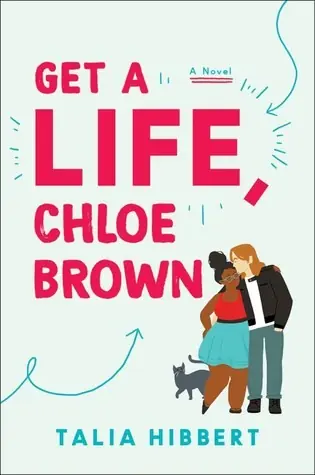
The classic direction is a grumpy hero and a sunshine heroine. A popular reverse gives the role to the heroine and pairs her with a warm, easygoing man, as in “Get a Life, Chloe Brown”.
Grumpy sunshine often travels with slow burn, and it can shade into enemies to lovers when the first meeting is openly hostile rather than merely cold. In a small town it pairs with small town romance, and the warmth often arrives with a whole new circle of people, which is found family at work.
Examples to read
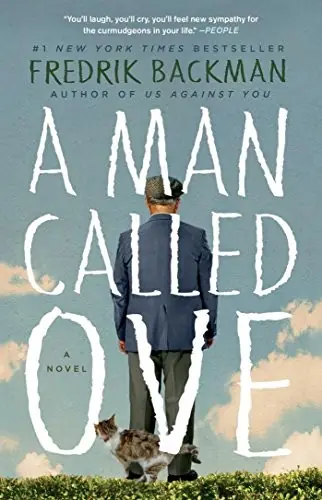
The pattern is old. In “North and South”, Elizabeth Gaskell sets a southern newcomer against a proud mill owner and lets respect grow out of their clash. Fredrik Backman's “A Man Called Ove” shows the trope outside romance, with a grumpy widower worn down by the family next door.
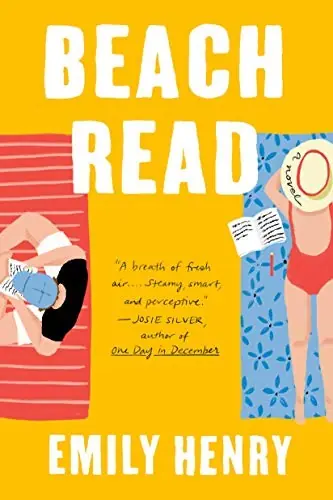
In contemporary romance the range is wide.
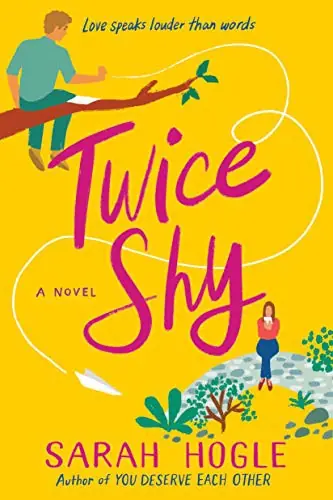
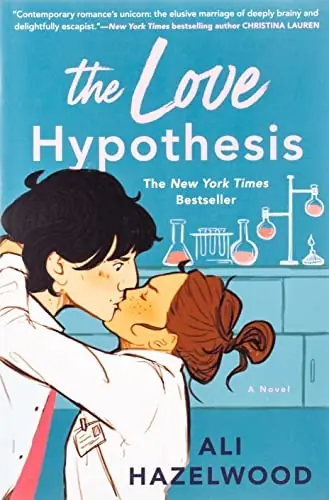
all build on a closed-off lead and a warmer one, whether the setting is an office, a lab or a lakeside town. The Love Hypothesis adds a fake relationship, but the contrast between a sunny student and a famously severe professor is what carries it. For a Regency take, “The Duchess Deal” gives a scarred, bitter duke a seamstress with her own conditions. “Things We Never Got Over” and “Twice Shy” both strand a hopeful newcomer with a gruff local, and “The Bodyguard” pairs a capable bodyguard with a guarded movie star.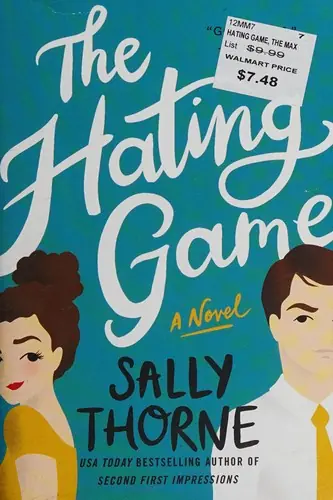
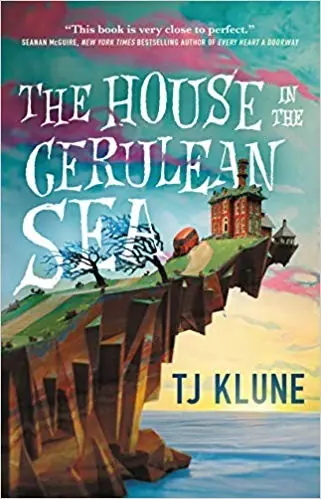
Two gentler examples sit at the edge of the trope. “The House in the Cerulean Sea” matches a rule-bound case worker with a warm island master, and “Emily Wilde's Encyclopaedia of Faeries” makes the heroine the prickly one while her charming colleague plays the sunshine.
What can put readers off
When the grump is actually cruel, belittling or controlling, the book has left the trope and drifted into a harsher category, and not every reader wants that. A sunshine character who exists only to fix someone reads as a device rather than a person. And when the whole pairing is sarcasm with no real feeling beneath it, the softening never lands and the ending feels unearned.
Where to start
Find books with the “Grumpy Sunshine” trope
33 books in the catalog. Add and exclude tropes, filter by genre and year.
Search without “enemies to lovers”
If you want a classic, begin with “North and South”. For a light contemporary start, “The Hating Game” is one of the most often recommended examples. And if you prefer the reversed version, with a prickly heroine, try “Get a Life, Chloe Brown”.
Frequently asked questions
What does grumpy sunshine mean in books?
It is a pairing where one lead is grumpy, guarded and pessimistic, and the other is warm, cheerful and open. The story watches the closed-off character soften next to the warmer one, without being forced to become someone else.
What is the difference between grumpy sunshine and enemies to lovers?
Enemies to lovers starts with real hostility or a clash of interests. Grumpy sunshine can begin with nothing more than a cold manner and a warm one, and the grump may dislike the world in general rather than the other lead in particular.
Is grumpy sunshine always romance?
No. It is most common in romance, but the same contrast works in friendship and family stories, for example a grumpy older man and the lively neighbours who keep interrupting his plans.
What should I read first?
North and South if you want a classic, The Hating Game for a light contemporary romance, or Get a Life, Chloe Brown if you would rather read the reversed version, with a grumpy heroine.