 Forced Proximity
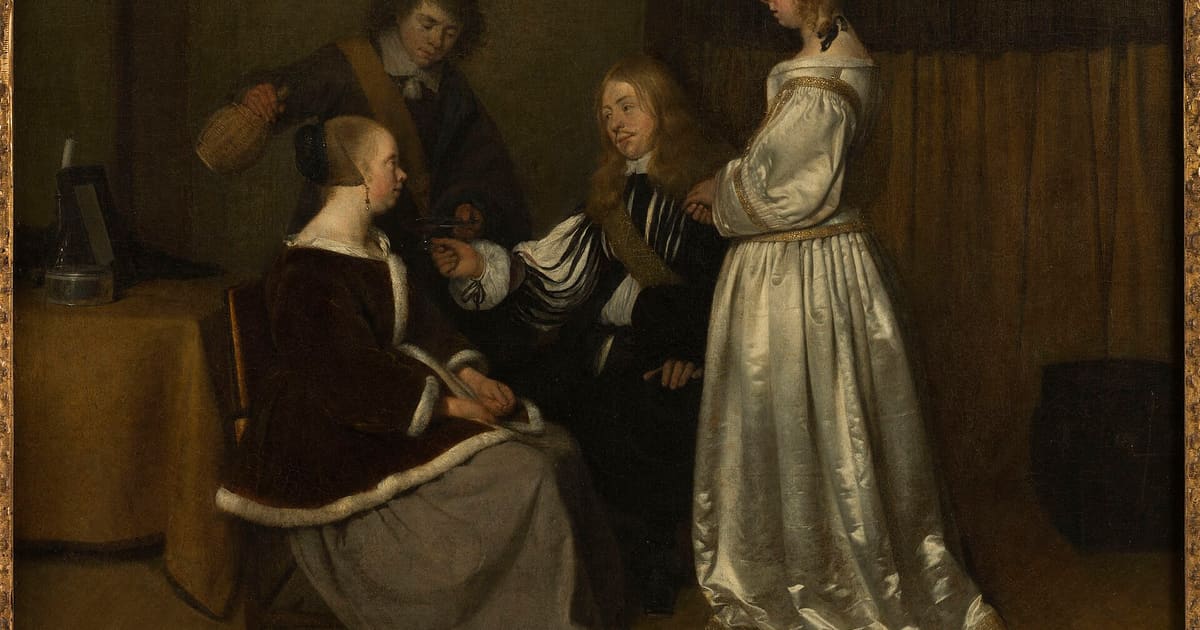
Forced proximity is the romance trope in which circumstances keep two characters close together, whether they want it or not, until the closeness turns into attraction. Readers also call it stuck together or trapped together, and the setting can be a shared office, a snowbound cabin, a long car ride, or a marriage neither character chose.
Why readers like being stuck together
When two people cannot leave, every small thing becomes charged. A shared meal, a lost key, a single bathroom: ordinary details carry weight because the characters negotiate them. The story does not need a grand gesture to create tension. It needs a room with one door.
Proximity also speeds up intimacy in a plausible way. People reveal themselves in small spaces: how they handle frustration, what they do when they think no one is watching, which kindness they cannot help offering. The reader learns the characters as they learn each other.
It also gives a clear external reason for the pair to stay in contact. Where readers often complain that a couple has no reason to keep meeting, a blizzard, a job, or a contract does the work.
How the trope usually works
A well-built forced proximity plot moves through five stages.
- The lock. A storm, an assignment, a journey, or a marriage contract puts the pair in one space. The reason has to hold up.
- The rules. They divide the room, set boundaries, or agree to pretend. The rules create friction.
- The first unguarded moment. One sees the other tired, frightened, or kind, and the version they built starts to crack.
- The turn. Attraction becomes hard to deny, though they still have reasons to resist.
- The choice. They decide whether the closeness was only circumstance or something worth keeping when the door opens.
Variations and close neighbors
- Shared space. Roommates, coworkers, or a bodyguard and client. Everyday routines do the work.
- Travel and weather. A road trip, a delayed flight, a snowed-in lodge. The couple is between places and cannot leave.
- Duty and captivity. A marriage of convenience, an arranged alliance, a hostage or slave arrangement. The power imbalance is sharpest here and needs careful handling.
- Pretending. A fake relationship or a cover story forces public closeness and private negotiation.
only one bed is the best-known companion: the couple must share a bed, which turns the proximity into a physical test. marriage of convenience supplies a legal or practical lock. enemies to lovers often gives the pair a reason to resist, while slow burn stretches the stay.
Books that use it well
Older examples show how little the trope needs in the way of a setting. In “Beauty”, Beauty takes her father's place in an enchanted castle that becomes the whole world she and the Beast share. In “Howl's Moving Castle”, Sophie is cursed into old age and takes refuge in Howl's moving castle, where the rooms are cramped and no one can avoid anyone.
Contemporary romance often makes the lock ordinary. In “The Hating Game”, Lucy and Joshua share an office and compete for the same promotion. In “The Roommate”, Clara arrives in California to find her room sublet to Josh, and the apartment forces an uneasy routine. “The Unhoneymooners” strands two people who dislike each other on a Hawaiian holiday where they pose as newlyweds. “The Road Trip” puts two exes in one car on the way to a wedding in Scotland.
Work and obligation do the same job. “The Wall of Winnipeg and Me” uses a marriage of convenience tied to an immigration case, with the pair sharing a house. “From Lukov with Love” locks two rival skaters into months of pairs training. “The Bodyguard” has Hannah pose as Jack's girlfriend at his family ranch, where the assignment leaves her little privacy.
Fantasy raises the stakes. In “The Bridge Kingdom”, Lara marries the king of a rival realm as part of a plan and stays inside his court. “Captive Prince” begins with Damen sent as a slave to Prince Laurent, a captivity that shapes every conversation between them.
Not every example is a romance. “Everyone in My Family Has Killed Someone” gathers a family in a snowbound lodge, where the weather keeps everyone available to the investigation.

Beauty
Robin McKinley
1978

The Hating Game
Sally Thorne
2016

The Road Trip
Beth O'Leary
2021

The Bridge Kingdom
Danielle L. Jensen
2019
Outside the catalog, Beauty and the Beast is the pattern most readers already know: a prisoner in a castle, a captor who becomes a companion. Stephen King's The Shining uses the same lock without romance, trapping a family in a hotel for the winter.
Where it can go wrong
- A lock that does not hold. If a phone call or a short drive could solve the problem, readers stop believing the premise.
- Proximity without change. Time together should alter how the characters see each other. If they leave the room exactly as they entered it, the trope has not done its job.
- Power dressed as romance. Captivity and unequal arrangements can slide into coercion. Some readers accept dark versions; others want the power gap addressed. Blurbs and reviews help.
- A couple with no other reason to connect. The setting can start the story, but the characters need more between them than the fact that they cannot leave.
Where to start
For a short older example, try “Beauty”. For a modern office romance, pick “The Hating Game”. If you want the trope on a grand scale, “The Bridge Kingdom” or “Captive Prince” show how far the lock can go. For a gentler version, start with “The Road Trip” or “The Bodyguard”.
Want forced proximity without a love triangle?
57 books in the catalog. Add and exclude tropes, filter by genre and year.
Search without “love triangle”

For the tropes that often travel with it, see slow burn and enemies to lovers.
Frequently asked questions
What does forced proximity mean in books?
It means circumstances keep two characters in the same place, often against their wishes, long enough for attraction to develop. The cause can be a storm, a shared home, a job, a journey, or a marriage contract.
What is the difference between forced proximity and only one bed?
Forced proximity is the broader situation: the characters cannot leave each other's company. Only one bed is a specific device inside it, where the pair also has to share a bed. A book can use one without the other.
Is forced proximity always a romance trope?
No. Romance uses it most often, but mysteries and thrillers use the same lock to keep suspects or witnesses together. A snowbound lodge or a stranded train can create tension without any love story.
Which book should I read first?
For an older example, try Beauty by Robin McKinley. For a modern office romance, The Hating Game. For fantasy, The Bridge Kingdom. Each keeps the couple together for a clear reason.