 Friends to Lovers
Friends to lovers is the trope where two people who already know each other well, often best friends, neighbours, or childhood companions, slowly fall in love, and the risk is that turning the friendship into romance will destroy it. Readers search for the same idea as "best friends to lovers", "childhood friends to lovers", or simply "friends to lovers romance books".
Why readers keep coming back
Most romance starts with two strangers learning to trust each other. This trope skips that step. The characters already know how the other takes their coffee, what they are afraid of, and which jokes they will always laugh at. That history means a small gesture, a hand held a second too long, carries more weight than a grand scene between strangers.
The second reason is the cost. Admitting feelings is not just a risk of rejection. It is a risk of losing a person who has been there for years, which makes the moment feel genuinely dangerous. Readers wait for the confession because they know what is at stake.
How the trope is built
The pattern usually moves through a few clear stages. First the friendship is shown on the page, not just described, so the reader feels it. Then a shift happens: a long trip, a new closeness, or a flash of jealousy that one character refuses to name. Next comes denial, where both insist nothing has changed. A catalyst forces the issue, often a wedding, a holiday, or a kiss that cannot be taken back. Finally comes the confession, and with it the question of whether the friendship can survive the change.
This is why the trope so often overlaps with pining, where one or both characters ache quietly for years before anything happens.
Variations and neighbouring tropes
- Childhood friends. The history stretches back to school, and the pair may meet again as adults. This version frequently joins up with second chance romance.
- Adult best friends. The two know each other's adult lives well and lean on each other daily.
- Brother's best friend or family friend. The friendship is tied to a household, which adds a social obstacle.
- Friends with benefits. The physical line is crossed before the emotional one, and the story is about admitting what the arrangement really is.
- Fake relationship between friends. A publicity plan or a favour forces them to act like a couple, and the act stops being an act.
The closest neighbours are slow burn, where the build is stretched over the whole book, and mutual pining, where both characters want each other and neither says so. Forced proximity often pushes friends into the situation that finally makes them talk.
Books that show it well
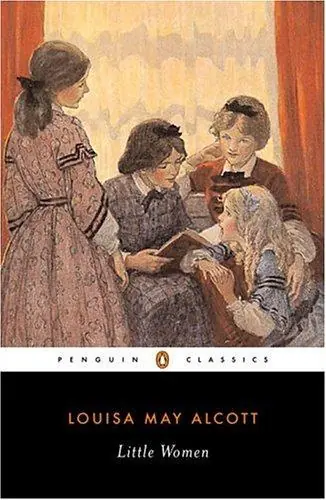
For a childhood friendship that turns complicated, “Little Women” is the classic example, and it is honest about how often love and timing refuse to line up. Younger readers can start with “Ella Enchanted”, where Ella and Prince Char become friends long before either thinks about romance.
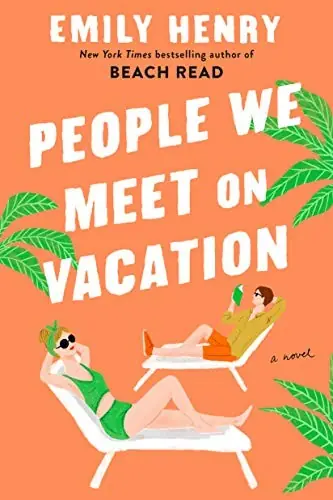
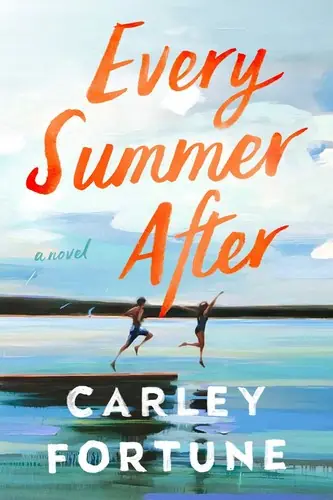
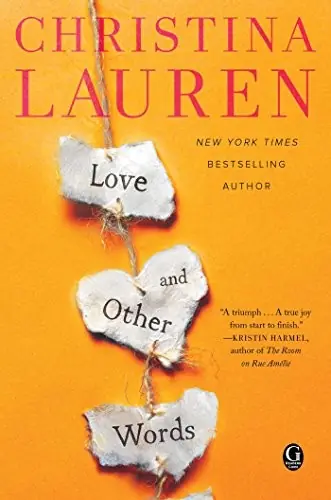
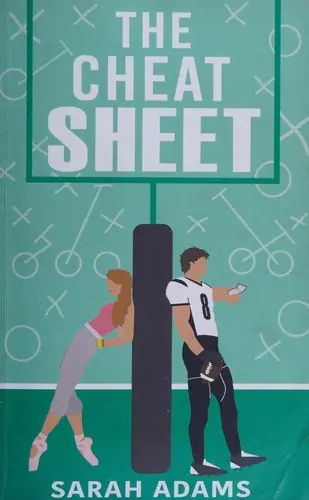
Contemporary romance is where the trope is loudest. In “People We Meet on Vacation”, Poppy and Alex have taken one holiday together every summer for years, and a falling-out nearly ends everything. “The Cheat Sheet” pairs a ballet dancer with the football star she has quietly loved for years, while “Every Summer After” and “Love and Other Words” both build a childhood friendship and then break it, then let the characters face what was left behind.
Other strong picks in the catalog:
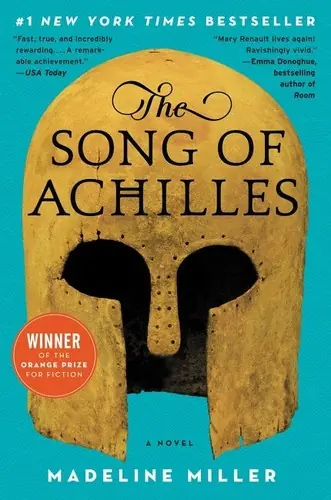
The Song of Achilles
Madeline Miller
2011

Aristotle and Dante Discover the Secrets of the Universe
Benjamin Alire Sáenz
2012
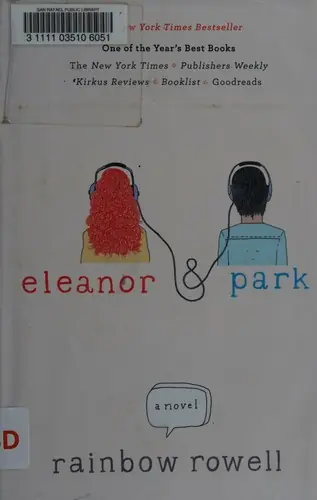
Eleanor & Park
Rainbow Rowell
2012
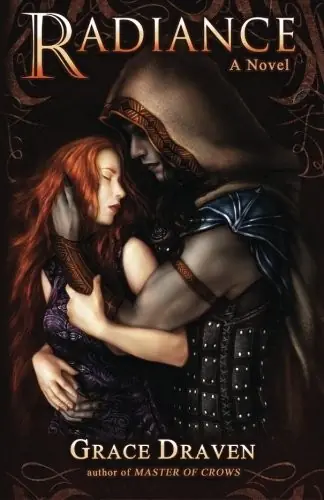
Radiance
Grace Draven
2015
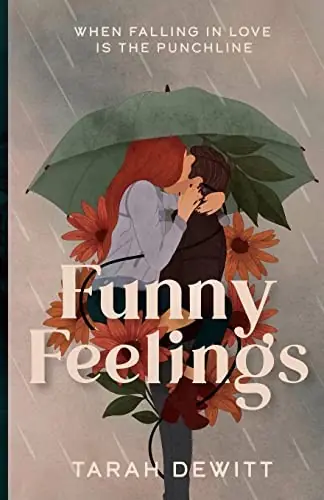
Funny Feelings
Tarah DeWitt
2022
“The Song of Achilles” follows Patroclus and Achilles from training ground to lovers, with the friendship deepening long before the romance. “Aristotle and Dante Discover the Secrets of the Universe” and “Eleanor & Park” show the trope through young characters who are still learning to name what they feel, and “Radiance” starts with a political marriage whose two leads agree to be friends and nothing more.
Outside the catalog, "Josh and Hazel's Guide to Not Dating" by Christina Lauren and "The Friend Zone" by Abby Jimenez are widely recommended for the same pattern.
What can go wrong
Some readers are bothered when the friendship is claimed rather than shown. If the book only tells you the two have been close for years, the payoff feels thin. Others dislike a confession that arrives out of nowhere, with no scene to explain why the feelings changed. A third common complaint is a rushed ending, where years of tension are resolved in a page and the friendship is never really tested.
Where to start
If you want warmth and humour, begin with “People We Meet on Vacation”. If you prefer a classic, try “Little Women”, and for a fantasy romance with a gentle build, “Radiance” is a safe first choice.
Looking for friends to lovers without a love triangle?
29 books in the catalog. Add and exclude tropes, filter by genre and year.
Search without “love triangle”
Frequently asked questions
What does friends to lovers mean in books?
It is a romance trope where two people who already know each other well, usually best friends or childhood companions, slowly fall in love. The friendship comes first, and turning it into a romance puts that friendship at risk.
What is the difference between friends to lovers and slow burn?
They often appear together, but they are not the same. Slow burn is about how long the romance takes and how much tension builds. Friends to lovers is about the starting point: the characters already have a history before any romantic feeling.
Why do readers like this trope so much?
The relationship begins with trust and shared history, so small moments carry weight. The tension is not whether the characters like each other but when one of them will finally say it, and what it will cost.
What should I read first?
For a warm contemporary version, start with People We Meet on Vacation. For a classic, try Little Women, and for fantasy romance with a gentle build, Radiance is a good place to begin.