 Mutual Pining
Mutual pining is a romance plot where two characters love each other and both assume the feeling is one-sided, so neither speaks. Readers also call it "both in love" or "idiots in love": the desire is shared, but the information is not.
What mutual pining means
Unrequited love gives one character a feeling the other does not return. Mutual pining keeps the same ache but makes it symmetrical. Each character reads the other's caution, politeness, or silence as proof of disinterest. The reader usually knows better, because the book shows both sides: the glance held a second too long, the excuse to stay, the careful way one character remembers a small preference.
The gap between what the reader knows and what the characters admit supplies the tension. The reason for silence needs to be concrete: a promise, a class difference, a friendship the character cannot risk. It has to be strong enough that a simple conversation cannot remove it.
Why readers like it
The appeal is partly suspense and partly recognition. Most people have kept a feeling quiet at some point, and the trope offers a comforting version of that experience: the person you wanted was also waiting, only neither of you could say so.
There is also the pleasure of small evidence. Because the characters cannot speak plainly, affection appears in actions: a saved seat, a repaired thing, a coat lent without comment. Readers learn to read those gestures, and each one moves the relationship forward without a confession. The eventual admission feels earned because the book has spent pages building a case for it.
How it works on the page
Most mutual pining stories follow a similar path. Two people are thrown together by work, friendship, family, or a temporary arrangement. They notice each other, but one or both decide that speaking would cost too much. The relationship settles into a routine with an unspoken limit. A third person or a change of circumstances makes the limit harder to keep, until something forces the truth out.
The signal can be as small as a nickname used by only one person, or as large as a character rearranging their life around the other's plans. The important thing is that the reader can see the feeling from both directions.
Variations depend on what keeps them apart. friends to lovers uses the fear of losing the friendship. slow burn stretches the waiting across the whole book. second chance romance adds a history that already broke once. forbidden love makes the obstacle external: a marriage, a rule, a family loyalty. In each case the engine is the same: shared desire, separate assumptions.
Books that show it well
Jane Austen's “Persuasion” is the classic example. Anne Elliot refused Captain Wentworth eight years before the novel begins. When he returns, wealthy and unattached, both are careful with each other, and Anne reads his reserve as the end of his regard. The book lets the reader see how much is still there on both sides.
Kazuo Ishiguro's “The Remains of the Day” turns the trope quiet and painful. Stevens, a butler, and Miss Kenton, the housekeeper, work closely for years. Their exchanges are formal, sometimes sharp, and the feeling between them is never named. Ishiguro makes the reader feel the cost of that restraint.
Contemporary romance often pairs mutual pining with a fake relationship. In “The Love Hypothesis”, Olive and Adam pretend to date and each begins to want the arrangement for real. “People We Meet on Vacation” uses years of friendship and one strained holiday. “The Cheat Sheet” and “Funny Feelings” put best friends in a pretend romance and let the old crush do the rest.
Historical romance uses different rules. “Seduce Me at Sunrise” gives Win and Kev years of longing and a hero who believes he does not deserve her. “Slightly Married” begins with a marriage in name only and lets affection grow where neither expected it.
Two books outside the catalog show the range. Elizabeth Gaskell's "North and South" sets Margaret Hale and John Thornton on opposite sides of a class divide; pride and misread signals keep them apart long after the reader sees the attraction. Sally Thorne's "The Hating Game" hides mutual longing under an office rivalry, two people competing for the same promotion while neither admits what else is at stake.
Sally Rooney's “Normal People” and Josie Silver's “One Day in December” show the pattern across years, with timing and other relationships doing the work of keeping the pair apart.
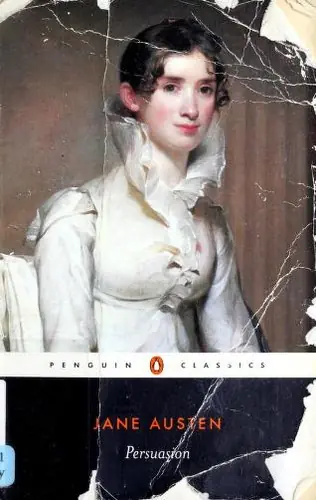
Persuasion
Jane Austen
1817
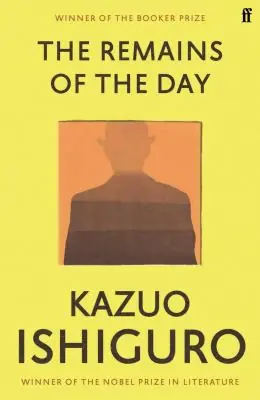
The Remains of the Day
Kazuo Ishiguro
1989
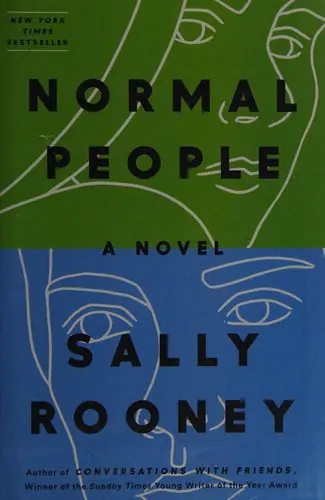
Normal People
Sally Rooney
2018
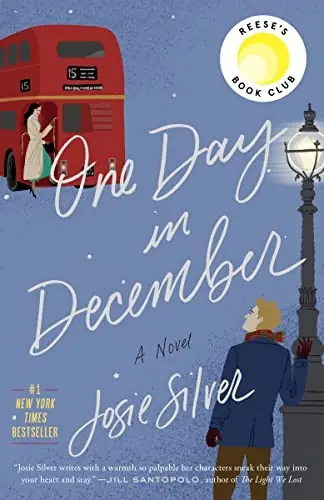
One Day in December
Josie Silver
2018
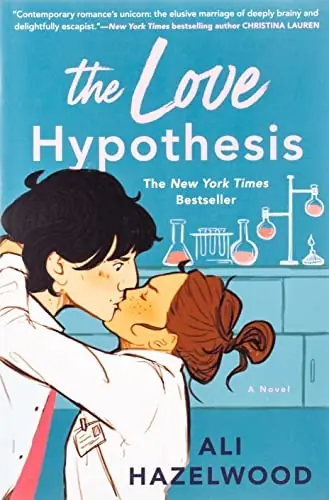
The Love Hypothesis
Ali Hazelwood
2021
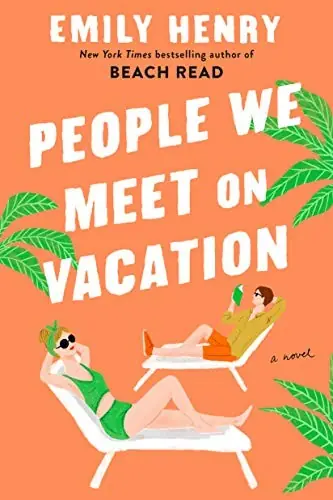
People We Meet on Vacation
Emily Henry
2021
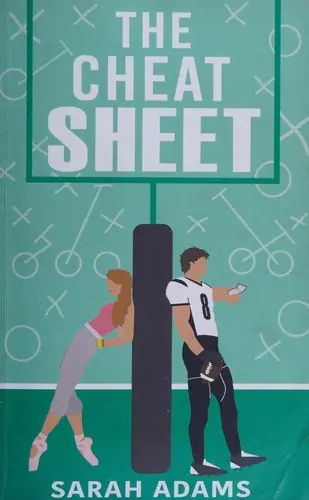
The Cheat Sheet
Sarah Adams
2021
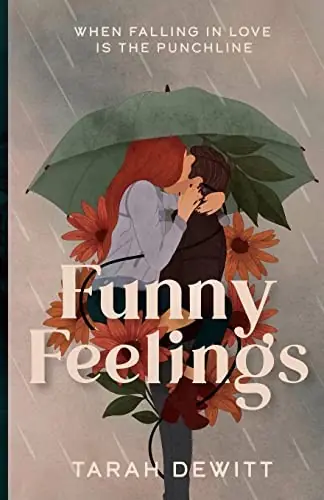
Funny Feelings
Tarah DeWitt
2022
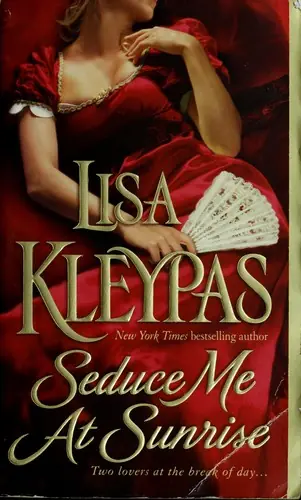
Seduce Me at Sunrise
Lisa Kleypas
2008
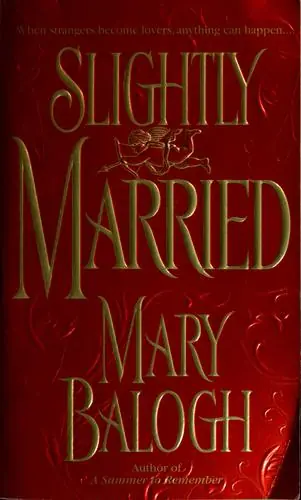
Slightly Married
Mary Balogh
2003
What can go wrong
Mutual pining depends on a believable reason for silence. If the obstacle is only a misunderstanding that one honest sentence would clear, readers may lose patience. The same happens when one character's feelings are obvious to everyone except the other, and the near-misses repeat without adding pressure.
Some readers dislike a long wait with too little change. Pining should not be static: each chapter needs a shift in intimacy, knowledge, or risk. If the characters end where they started for two hundred pages, the confession feels like a release of plot rather than feeling.
Where to start
If you want the classic version, start with “Persuasion”. For a quieter, more painful book, try “The Remains of the Day”. Readers who prefer contemporary romance can begin with “The Love Hypothesis” or “People We Meet on Vacation”; both keep the tone light while making the longing clear.
Find your next mutual pining read
14 books in the catalog. Add and exclude tropes, filter by genre and year.
Open in searchFrequently asked questions
What does mutual pining mean in books?
It means two characters love each other, but both believe the feeling is one-sided. Neither speaks, so the story runs on longing, small gestures, and the gap between what the reader knows and what the characters admit.
How is mutual pining different from unrequited love?
In unrequited love, the feeling really is one-sided. In mutual pining, both people feel it, but each misreads the other's silence as disinterest. The reader usually sees both sides.
Is mutual pining the same as a slow burn?
No. Slow burn describes pacing: the romance takes a long time to arrive. Mutual pining describes what the characters know and hide. The two often appear together, but a slow burn can have only one person pining.
Which mutual pining book should I read first?
Start with Persuasion by Jane Austen for the classic version, or The Love Hypothesis for a recent romantic comedy. If you want a quieter, more painful book, try The Remains of the Day.