 Second Chance Romance
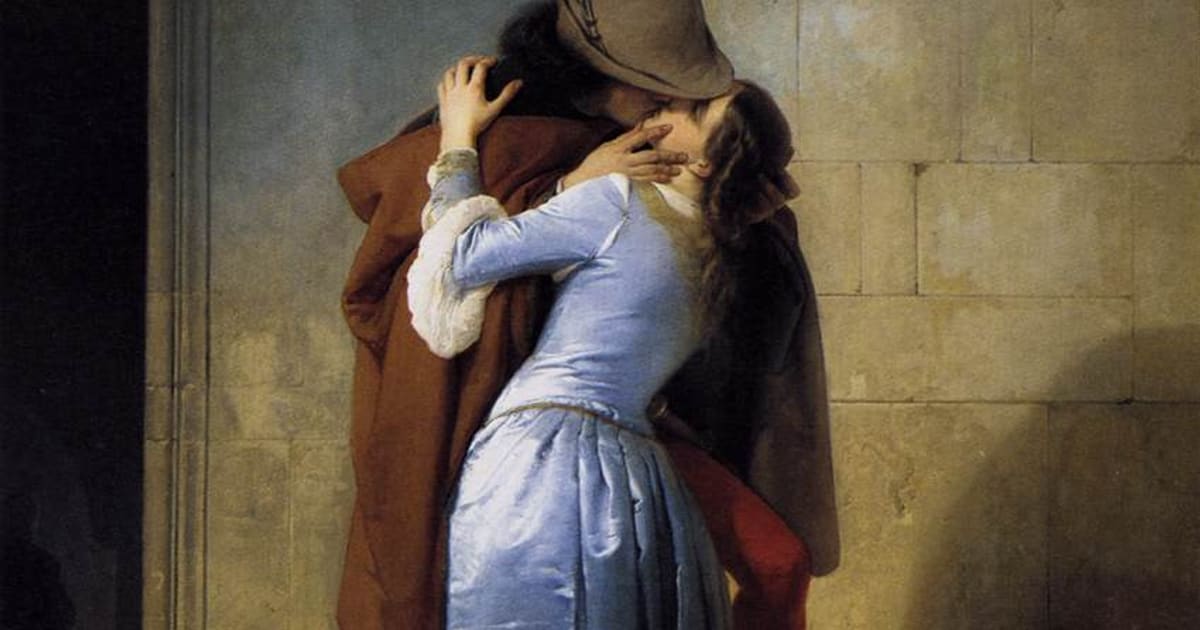
A second chance romance is a love story about two people who were already together once, parted, and meet again with the chance to try a second time. Readers also call it exes to lovers or a reunited lovers story, and the term describes a shape of plot rather than a mood: the couple has a shared history before the book opens, and that history has to be faced before anything new can begin.
Why readers love it
Most romances have to build a connection from nothing. A second chance story starts with feelings that already exist, so the tension comes from somewhere else: what went wrong, who was hurt, and whether two people who failed each other once can be trusted to try again. The reader already believes in the couple, which makes every small step back toward each other carry weight.
There is also the pull of the past. These books often move between two timelines, showing a first love in one chapter and its consequences years later in the next. That back and forth lets a writer deliver both the sweetness of falling in love and the sting of losing it, and it turns a reunion into a small mystery.
How a second chance romance is built
Not every book about exes works the same way, but most of them share a few pieces:
- A shared past. The two were first loves, engaged, married, or close friends whose friendship turned into more.
- A believable break. Something real separated them: distance, family pressure, a mistake, ambition, grief, or simply growing up and drifting apart.
- A reunion. Often forced by circumstance rather than choice, such as a shared job, a wedding, a funeral, a small town, or a family matter that pulls them back into the same room.
- Old wounds and new evidence. They see who the other person has become. The attraction is still there, but so is the reason it ended.
- A choice. At some point the past has to be spoken about plainly, forgiven or accepted, before either one can decide to begin again.
Variations and neighbouring tropes
Second chance romance describes where a couple starts, so it overlaps easily with other tropes. friends to lovers often supplies the shared past, since many of these couples began as friends. forced proximity is a common way to arrange the reunion, with the exes ending up on the same trip, in the same flat, or sharing one bed. enemies to lovers can follow a reunion once the old affection has curdled into hostility, as in a rivalry between former partners.
Two nearby ideas are worth separating. slow burn is about pacing, not history; a couple can take a long time without ever having met before. star-crossed lovers is about outside forces keeping two people apart, while a second chance romance is usually about the couple's own past and their choice to move beyond it. mutual pining often runs alongside it, because both partners tend to carry the old feeling in silence.
Second chance romance books to try
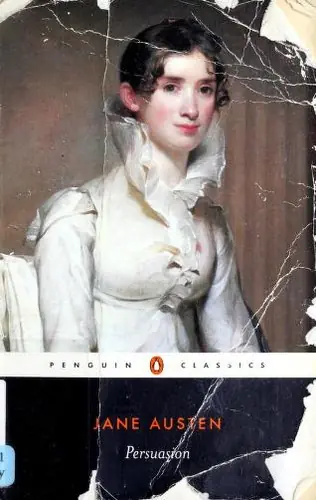
Start with the classics. “Persuasion” is the clearest example in the catalog: Anne Elliot and Captain Wentworth were engaged years before the novel opens, and the story turns on whether the feeling can survive the time and the advice that separated them. “Far from the Madding Crowd” follows a shepherd's steady love for a woman who chooses other men first. “The Great Gatsby” is a famous variation from outside the romance genre, where a man builds his whole life around winning back a woman from his past, without the comfort a romance usually promises.
Modern romance leans on the trope heavily.
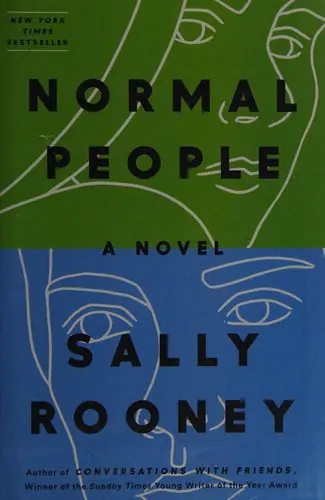
Normal People
Sally Rooney
2018
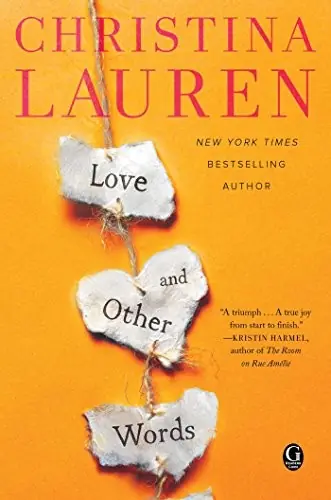
Love and Other Words
Christina Lauren
2018
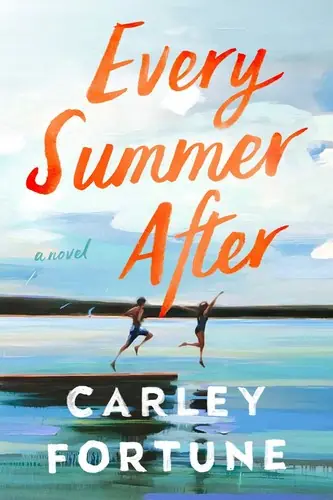
Every Summer After
Carley Fortune
2022
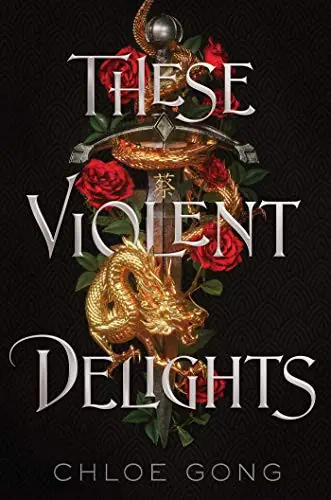
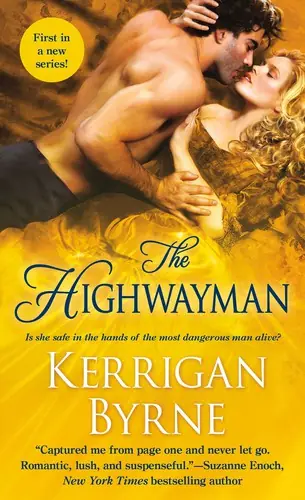
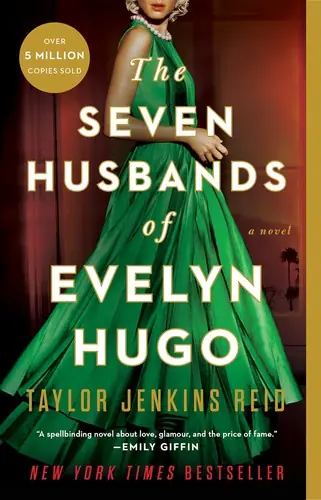
The trope travels well beyond contemporary settings. “The Seven Husbands of Evelyn Hugo” folds a long-hidden love into the story of a film star's public marriages. “These Violent Delights” sets former lovers on opposite sides of a gang war in 1920s Shanghai, and “The Highwayman” reunites two childhood friends as adults on very different paths.
What can go wrong
- A flimsy reason for the split. If one honest conversation could have fixed the past, the separation feels staged rather than sad.
- No real change. A second chance only convinces if the characters have grown. If they are exactly as they were, the reunion solves nothing.
- Cruelty sold as romance. Some readers dislike stories where an ex behaved badly and the book treats the reunion as its own reward.
- Too much flashback. When the past takes over and the present stops moving, the reunion loses its urgency.
- A rushed ending. Years of hurt resolved in a single scene can feel unearned.
Where to start
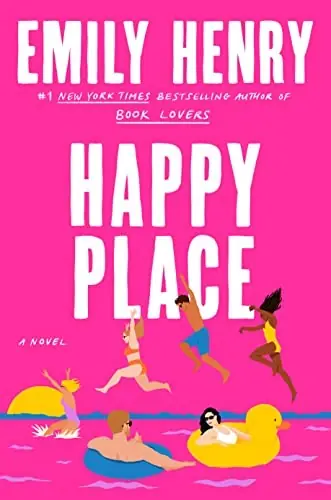
If you want the classic, begin with “Persuasion”. For a modern romance that uses the past well, try “Every Summer After” or “Happy Place”. For fantasy, “These Violent Delights” shows the trope mixed with enemies to lovers.
Find books with the “Second Chance Romance” trope
17 books in the catalog. Add and exclude tropes, filter by genre and year.
Search without “love triangle”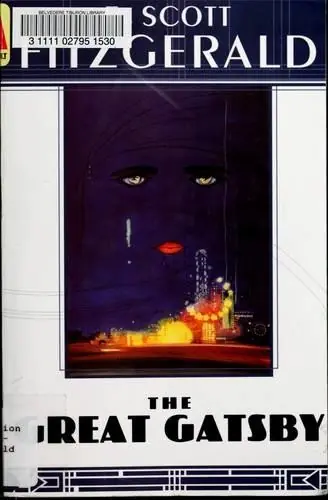
Frequently asked questions
What does second chance romance mean in books?
It is a love story about two people who were once together, parted, and meet again with the chance to try once more. The shared past and the reason for the breakup matter as much as the reunion itself.
How is second chance romance different from friends to lovers?
Friends to lovers follows two people who have not been a couple before as they move from friendship into romance. In a second chance romance they were already together, so the story has to deal with the breakup and what came after it.
Does a second chance romance always have a happy ending?
In genre romance the couple almost always ends up together. In literary fiction and classics the ending is more open, and some well-known examples are bittersweet rather than happy.
What should I read first?
For a classic, start with Persuasion. For a modern romance, Every Summer After and Happy Place are clear examples. If you want fantasy, try These Violent Delights.