 Forbidden Love
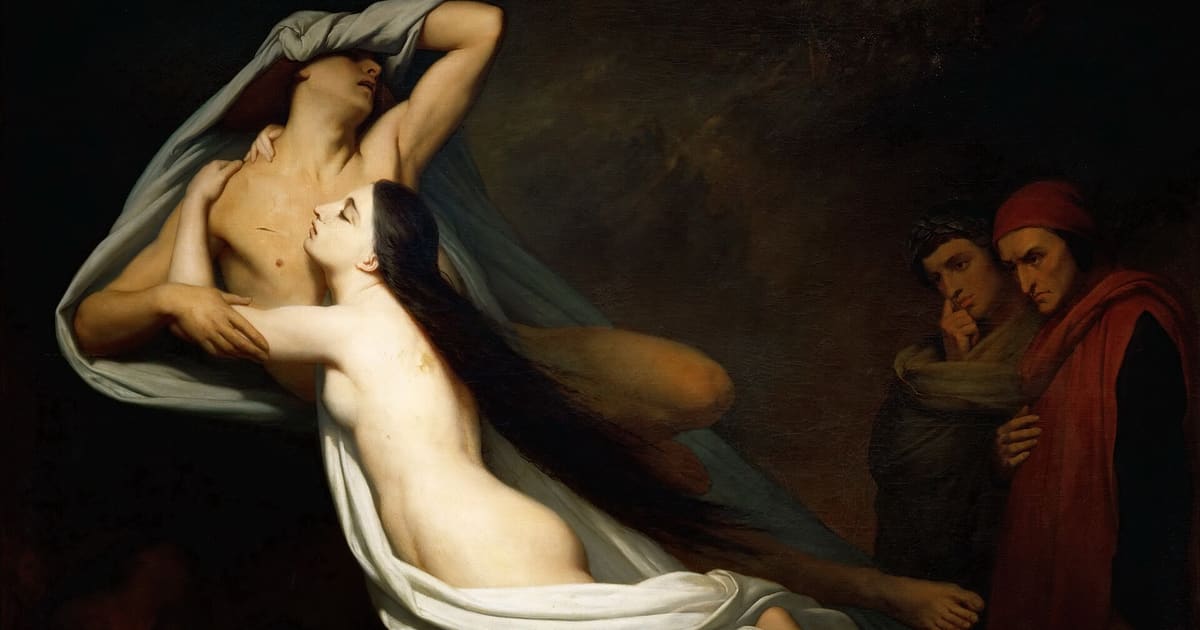
Forbidden love is the trope in which family, society, religion, or circumstance makes a relationship off-limits, so the two people involved hide it or fight for it. Readers also search for it as forbidden romance, and the secret relationship that grows out of the taboo is part of what makes it work.
Why readers keep coming back to it
A romance is often at its most charged before anything is allowed to happen. When a couple cannot be seen together, every glance and every small kindness carries weight. The obstacle does the work that a slow courtship usually does: it keeps the two apart and makes the reader wait.
There is a second pull. Forbidden love forces a choice between the person and something else the character values, such as a family, a faith, a throne, or a promise. That conflict turns a private feeling into a cost, and it gives the story stakes beyond whether the pair will end up together.
How the trope works in a story
Most forbidden love plots share a few moving parts:
- The rule. Something in the world says the two must not be together: class, marriage, religion, war, species, or a vow.
- The reason. The rule has to matter to the characters and to the people around them, or the secrecy feels pointless.
- The pull. The attraction grows anyway, usually without either person looking for it.
- The hiding. Meetings, letters, and small lies keep the relationship out of sight.
- The cost. Something has to be risked or lost, whether it is reputation, safety, or the relationship itself.
Variations of the trope
The obstacle can take several forms, and each one changes the mood:
- Social or class barrier. A governess and her employer, or a poor suitor and an heiress, cannot marry without a scandal. “Jane Eyre” folds this into a gothic mystery as well.
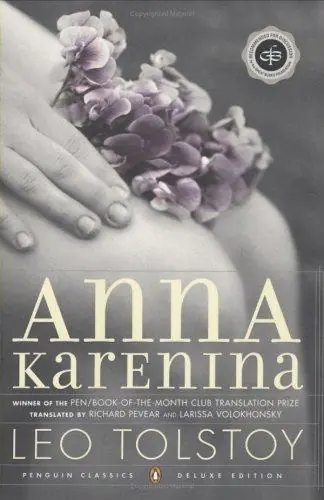
- A marriage or vow already in place. An affair breaks a promise to someone else, and the guilt becomes part of the story. “Anna Karenina” is the classic example.
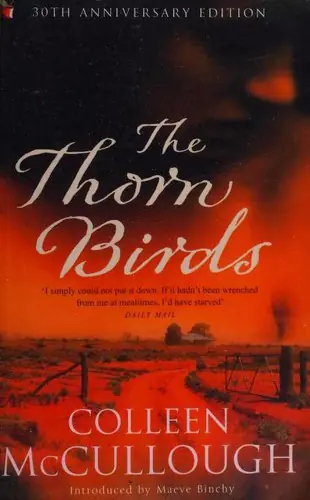
- Duty and faith. A priest, a soldier, or a sworn protector is bound by an oath. “The Thorn Birds” builds a whole life around a love a priest cannot have.
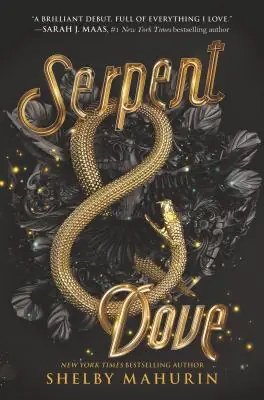
- Groups at war. The two belong to sides that hunt each other. In “Serpent & Dove” a witch and a witch hunter are brought together against their will.
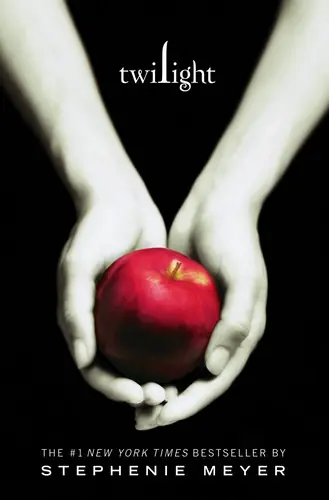
- The dangerous other. The beloved is not human, or not safe. “Twilight” makes the danger of the vampire the reason the romance has to stay hidden.
Neighbouring tropes often appear in the same book. star-crossed lovers covers lovers separated by fate rather than by rules, slow burn describes the long wait before anything happens, and enemies to lovers supplies the conflict when the couple starts on opposite sides.
Forbidden love in books
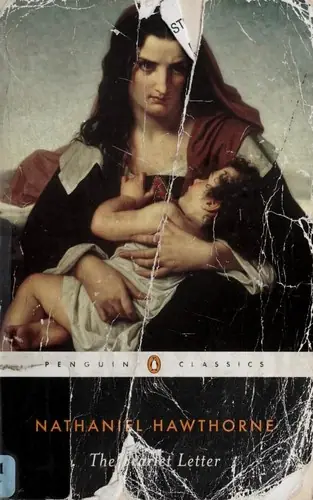
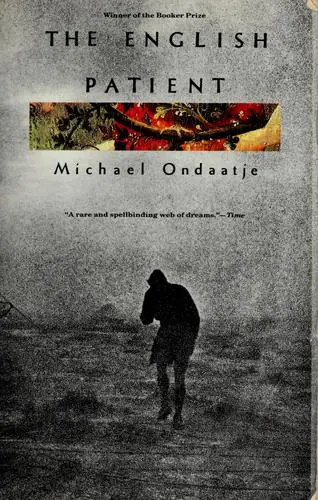
“Jane Eyre”, “The Scarlet Letter”, and “Anna Karenina” show the nineteenth-century version, where reputation and religion do most of the forbidding. Closer to our own time, “The Thorn Birds” follows a priest and the woman he cannot marry across several decades, and “The English Patient” sets an affair inside the confusion of the Second World War.
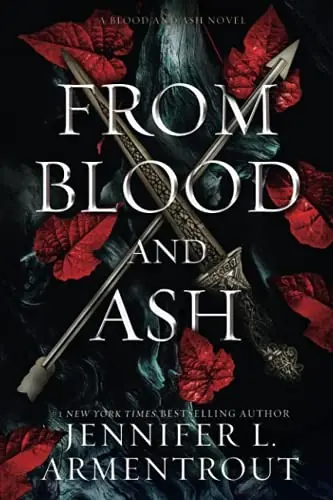
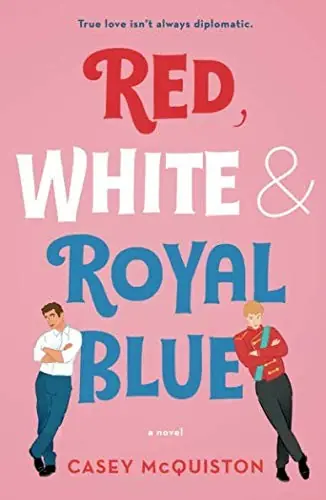
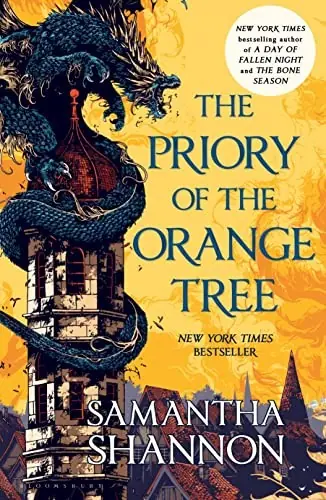
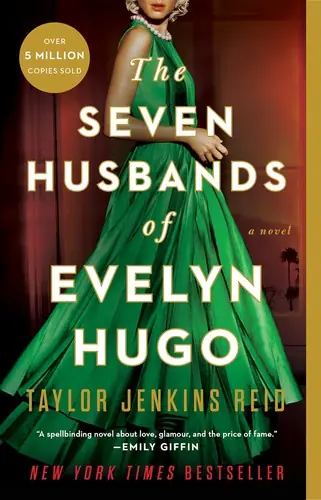
Recent fiction keeps the secret and changes the reason. “From Blood and Ash” makes a guard and the untouchable Maiden fall for each other under a rule that forbids exactly that. “Red, White & Royal Blue” hides a relationship between two public figures because the political cost would be enormous, “The Seven Husbands of Evelyn Hugo” keeps a same-sex romance secret through a career spent in the public eye, and “The Priory of the Orange Tree” places a queen beside the woman who guards her, in a court where the guard's true nature would be a death sentence.
Outside the catalog, the oldest template is Shakespeare's "Romeo and Juliet", where two families make the match impossible, and D. H. Lawrence's "Lady Chatterley's Lover" puts class and marriage between the lovers.
What some readers dislike
- A problem that one conversation would solve. If the couple could clear up the obstacle by talking, the secrecy starts to feel like padding.
- Ruin for its own sake. Some readers want the transgression to be worth it, not only dramatic.
- Control sold as passion. A forbidden romance can shade into a partner who isolates, threatens, or forces. That is a matter of taste, and reviews usually make clear which way a book leans.
Where to start
If you like classics, “Jane Eyre” is a clean introduction: a quiet heroine, a brooding employer, and a past he hides. For something recent and fast, try “From Blood and Ash”. If you want the secret to come with political weight, pick up “Red, White & Royal Blue”.
Find books with the “Forbidden Love” trope
86 books in the catalog. Add and exclude tropes, filter by genre and year.
Search without “love triangle”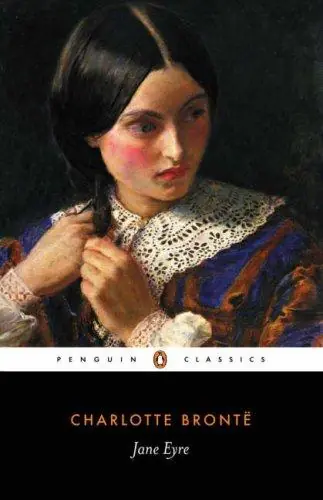
Frequently asked questions
What does forbidden love mean in books?
It is a romance where a rule, whether from family, society, religion, or circumstance, says the two people cannot be together. They either hide the relationship or pay a price for it.
What is the difference between forbidden love and star-crossed lovers?
Forbidden love is blocked by people and their rules. Star-crossed lovers are kept apart by fate or chance, such as timing, distance, or an accident, even when nothing in society forbids them.
What should I read first?
For a classic, start with Jane Eyre. For a recent fantasy romance, try From Blood and Ash. Both show a couple whose feelings grow against a clear rule.
Does forbidden love always have a sad ending?
No. Many romance novels bring the couple together in the end, sometimes at a cost. Literary and historical fiction more often ends in loss, so check the genre if a happy ending matters to you.