 Star-Crossed Lovers
Star-crossed lovers are two people who love each other but are kept apart by forces they cannot control: fate, feuding families, war, class, or time. Readers also look for the same idea as doomed lovers or ill-fated romance. Shakespeare gave the phrase its name in the prologue of Romeo and Juliet, where the young couple is described as the victims of the stars rather than of their own choices.
Why readers keep coming back to it
The appeal is the gap between the love and the impossibility. In an ordinary romance the question is whether two people will admit how they feel. Here that question is often settled early, and a harder one takes its place: what will the world do to them for it?
There is also the weight of the obstacle. Because the couple is not fighting each other, the reader is not waiting for a misunderstanding to clear. The pressure comes from outside, and that makes every quiet scene feel borrowed. A shared meal, a letter, a night on the run: the reader knows the clock is running.
What the trope is made of
Three things usually have to be in place:
- A real connection. The love has to feel earned, or at least vivid, so that losing it would cost something.
- An obstacle outside the couple. Not a quarrel they could settle in one talk, but a structure: a family feud, a war, an illness, a law, or a distance in time.
- A cost for choosing each other. The book shows what the lovers risk, and often what they lose.
Take away the third and the story turns soft. Take away the second and it is no longer this trope.
Variations and neighbouring tropes
- Rival families or sides. The oldest version: the couple belongs to camps that want each other gone. forbidden love often overlaps, though the barrier here is not always a rule the lovers could break.
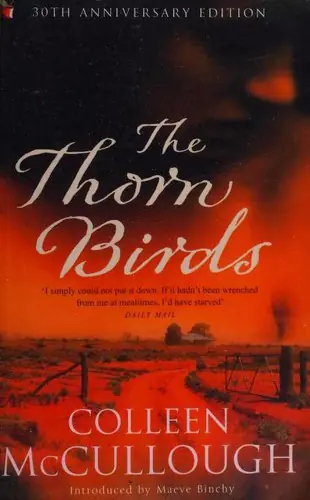
- Class and duty. One partner is bound by marriage, position, or an obligation to family or faith. Anna Karenina and The Thorn Birds sit here.
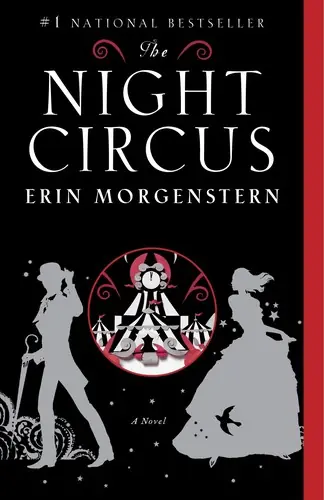
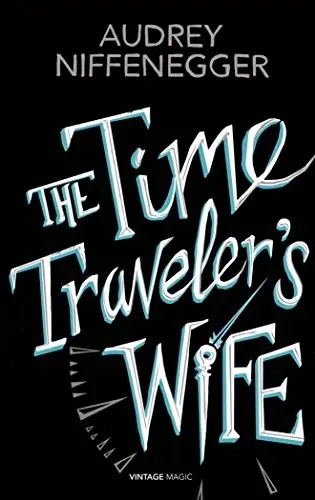
- Fate with a magical edge. A contest, a curse, or a bargain decides the couple's future before they meet, as in The Night Circus or The Time Traveler's Wife.
- Illness and a fixed end. The obstacle is the body itself, and both partners know the shape of the time they have.
A love triangle can overlap when a third person forms part of the barrier. fated mates is the mirror image: there the stars push two people together instead of holding them apart.
Books that show the trope well
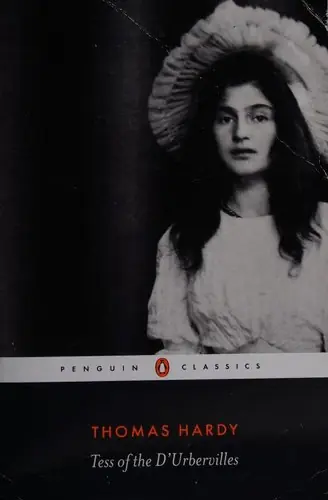
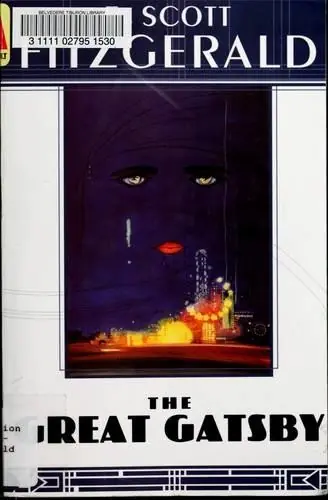
Classics first. “Wuthering Heights” turns on a love that is inseparable and impossible at once. “The Great Gatsby” keeps a whole life pointed at a woman who is already out of reach. In “Tess of the d'Urbervilles” and “Anna Karenina”, society rather than fate in the abstract sets the trap.
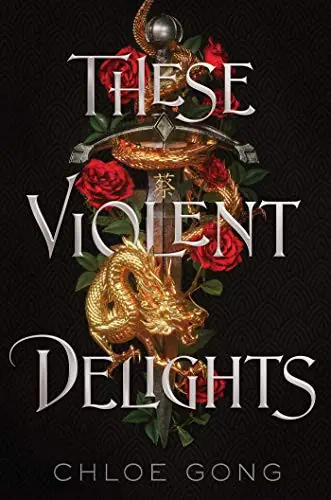
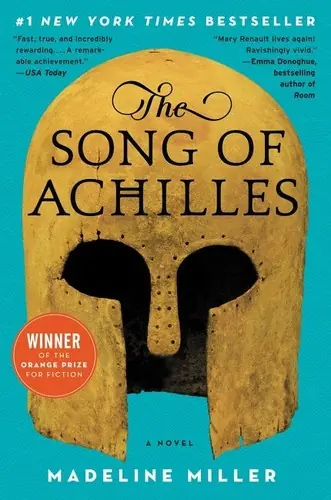
Recent books use the same machinery. “These Violent Delights” moves the feuding-families plot to 1920s Shanghai, with two heirs to rival gangs. “Divine Rivals” makes its couple rival journalists whose letters cross as a war pulls them to different fronts. “The Song of Achilles” follows a love shadowed from the start by a prophecy about Achilles himself.
If you like a slower, stranger kind of separation, try “The Time Traveler's Wife”, where time keeps pulling the couple apart, or “The Night Circus”, where a contest neither magician chose decides their fate.
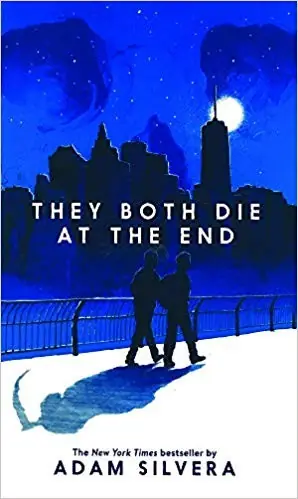
shorten the timeline to a matter of days, which sharpens the same fear.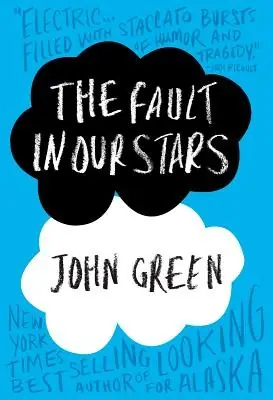
Outside the catalog, the source is still worth reading: "Romeo and Juliet" by William Shakespeare, and behind it the older story of Pyramus and Thisbe, which Shakespeare's audience already knew.
What puts some readers off
- An obstacle one talk could fix. If the lovers are apart only because nobody says the obvious thing, the sadness feels cheap.
- Passive lovers. Two people who simply wait to be broken apart are hard to root for. The best versions show them choosing, and paying.
- Grief as the only point. Some readers want the tragedy to reveal something about the characters, not just to end the book on a sad note.
- Love at first sight with no build. The instant version can feel thin once the obstacle arrives.
Where to start
If you read classics, begin with “Wuthering Heights”. For something recent and quick, “These Violent Delights” is one of the clearest modern retellings. And if a softer, time-bent version appeals to you, “The Time Traveler's Wife” is a good next step.
Find books with the “Star-Crossed Lovers” trope
55 books in the catalog. Add and exclude tropes, filter by genre and year.
Search without “love triangle”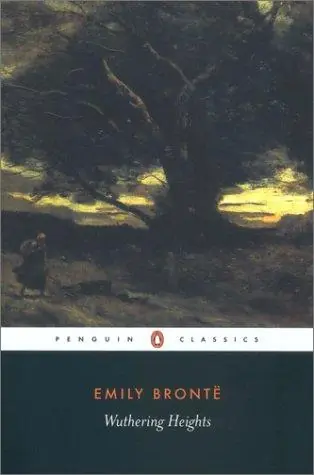
Frequently asked questions
What does star-crossed lovers mean in books?
It means two people who love each other but are kept apart by something outside their control, such as fate, feuding families, war, class, or time. The phrase comes from Shakespeare's Romeo and Juliet.
What is the difference between star-crossed lovers and forbidden love?
Forbidden love is about a rule or taboo that says the couple must not be together. Star-crossed lovers is wider: the obstacle can be fate, distance, illness, or war, not only a prohibition.
Do star-crossed lovers always end badly?
No. The trope is named for a tragedy, and many books end in loss, but some let the couple find a way through or leave them with hope. The pull between love and impossibility matters more than the last page.
What should I read first?
For a classic, start with Wuthering Heights or Anna Karenina. For something recent and quick, These Violent Delights retells the Romeo and Juliet idea in 1920s Shanghai.