 Morally Grey Character
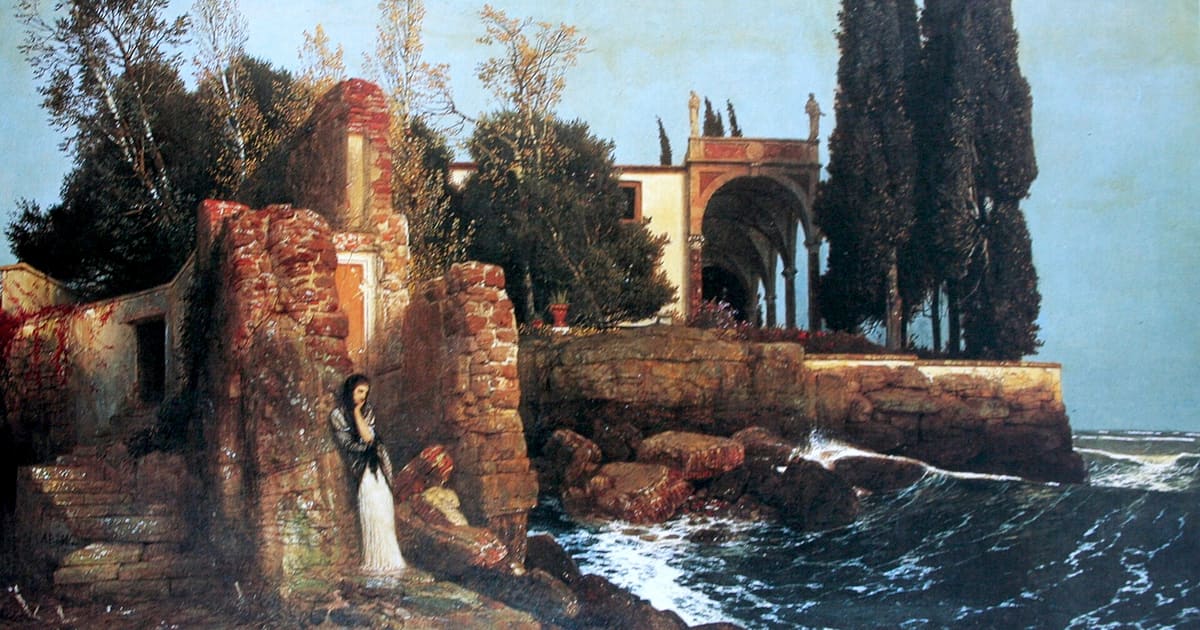
A morally grey character is not a villain, but will cross ethical lines to reach a goal. Readers use the label for leads who lie, steal, manipulate, or kill for reasons the story lets us understand, and the phrase turns up in both spellings: morally grey and morally gray.
What "morally grey" means
The term describes a character who sits between the hero and the villain and refuses to settle on either side. They usually want something specific — survival, revenge, power, love — and they are willing to cause harm to get it. The book does not pretend the harm is fine, and it does not turn the character into a monster either. Instead it keeps the reader close, so that understanding and disapproval exist at the same time.
This is what separates a morally grey character from a villain protagonist, who is written as the story's evil center from the start. The idea has deep roots. The word antihero has been used in roughly this sense since at least the eighteenth century, and the type became common in nineteenth-century fiction.
Why readers like it
A character who always does the right thing can feel thin, because the choice is rarely real. A grey character has to weigh a cost, and that cost is often paid by someone else. Every decision matters. There is also the pleasure of competence: thieves, strategists, and survivors who are good at what they do, even when what they do is wrong.
Then there is recognition. Most people have acted from fear or loyalty rather than principle, and seeing that on the page can feel truer than a clean moral victory. The appeal is not approval. It is understanding.
How it looks on the page
Most morally grey characters share a few moving parts:
- A goal the reader can follow, even if they dislike it.
- A line the character claims not to cross, and the moment the line moves.
- A cost paid by another person, shown rather than explained away.
- A close point of view, so the reader hears the justification before the judgment.
- Consequences that arrive, whether as guilt, loss, or a changed character.
When the last part is missing, the trope stops working. The reader is asked to enjoy the harm without being asked to weigh it.
Variants and nearby tropes
- The classic antihero. Cynical, brooding, slow to trust, but usually on the side of the good. See byronic hero for the romantic, melancholy version.
- The revenge lead. A wrong done in the past drives everything in the present. See revenge.
- The heist crew or outlaw band. Several grey characters work together, each with a private code.
- The villain protagonist. The main character is simply the villain. The book knows it and does not ask for sympathy.
- The unreliable narrator. A grey narrator can shade the truth, so the reader must guess how much to believe.
Books that illustrate it
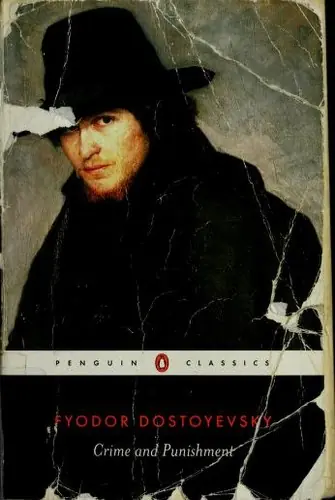
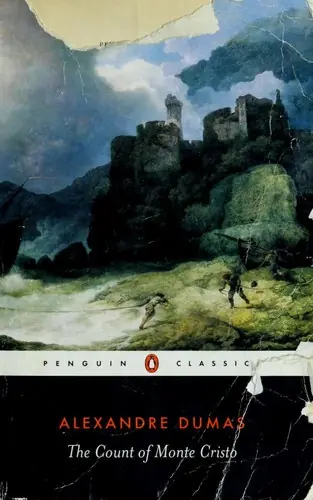
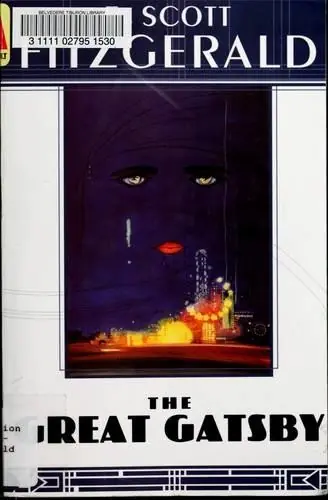
Classics first. In “Frankenstein”, both Victor Frankenstein and the creature he abandons do terrible things, and Shelley leaves the blame unsettled. “Crime and Punishment” follows Raskolnikov, whose theory that great men stand above the law collapses into guilt. In “The Count of Monte Cristo”, Edmond Dantès returns from prison as a patient, brilliant instrument of revenge. “Wuthering Heights” gives us Heathcliff, whose grief hardens into cruelty across two generations. “The Picture of Dorian Gray” follows a man who chases pleasure while a hidden portrait records his cruelty. And in “The Great Gatsby”, Jay Gatsby builds a fortune and a whole life around a single wish.
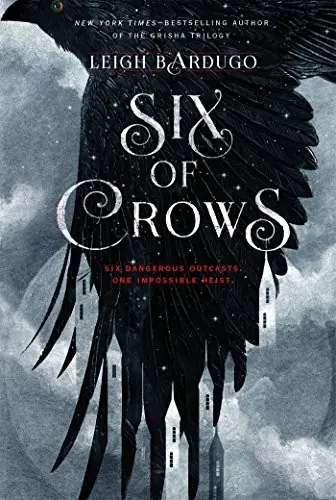
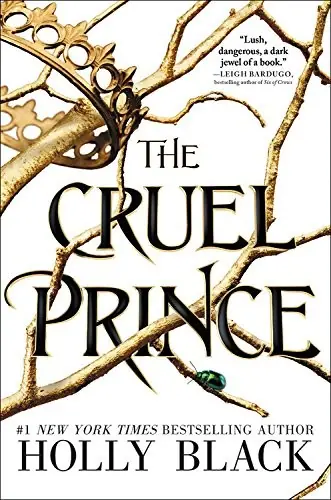
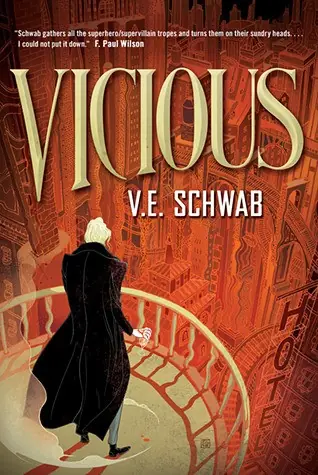
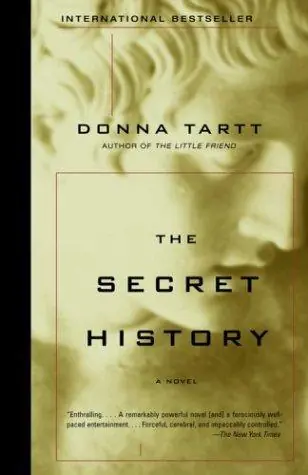
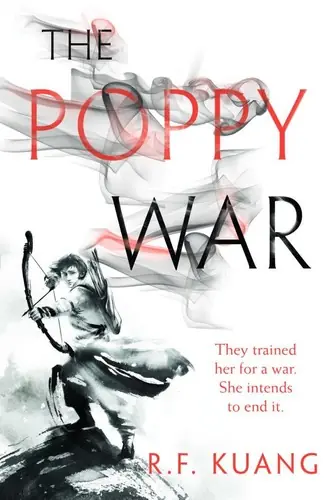
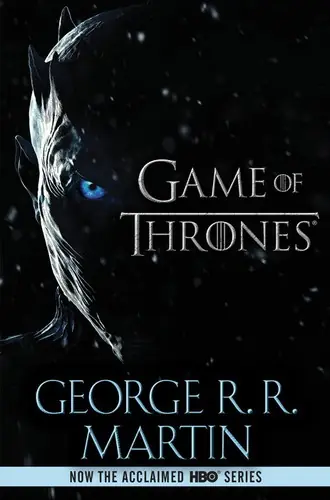
Modern readers often meet the trope through fantasy and thrillers. “Six of Crows” gathers six criminals behind Kaz Brekker, a thief who trades on fear. “Vicious” sets two former friends against each other, both armed with powers and neither willing to stop. In “The Cruel Prince”, Jude is mortal in a court of the fae, and she schemes and kills to win a place there. “The Secret History” follows a group of students who hide a death. “The Poppy War” pushes Rin from student to commander and asks what war costs. “A Game of Thrones” spreads the label across an entire cast of schemers.
Outside the catalog, two well-known examples are Tom Ripley in Patricia Highsmith's "The Talented Mr. Ripley", a charming con man the reader is drawn to follow, and Michael Corleone in Mario Puzo's "The Godfather", who takes over the family business and loses his scruples along the way.
Find books with the “Morally Grey Character” trope
127 books in the catalog. Add and exclude tropes, filter by genre and year.
Search without “villain protagonist”
What to watch for
- Grey for its own sake. If a character does bad things and the story never examines them, sympathy drains away.
- Charm instead of cost. Cruelty played as cool, with nobody harmed and nothing lost, reads as wish-fulfilment rather than character.
- A line that never moves. Without consequences or change, the element becomes decoration.
- Romance warnings. The search term morally grey love interest is popular, but some readers dislike it when controlling behavior is dressed up as romance. Reading reviews and content notes in advance helps.
Frequently asked questions
What does morally grey mean in books?
It describes a character who is not a villain but will cross ethical lines to reach a goal. The story lets you understand their reasons without fully excusing what they do.
What is the difference between morally grey and morally gray?
Only the spelling. Morally grey is the British form, morally gray the American one, and readers use both to search for the same kind of character.
Is a morally grey character the same as a villain?
No. A villain protagonist is written as the story's evil center. A morally grey character keeps some lines and crosses others, so the reader is never fully certain which side they are on.
Which book should I start with?
For a short classic, try Frankenstein or The Picture of Dorian Gray. For something recent, Six of Crows and Vicious show the trope quickly in a modern fantasy setting.