 Small Town Secrets
A small town secrets book takes a place that looks friendly and ordinary, with its church suppers, shared gossip, and familiar faces, and shows what it has been hiding. The town is often as much a character as the detective or the reporter, and the story depends on the tension between how everyone seems and what they know. Readers search for it as small town secrets books, small town mystery, or a town with secrets, and the appeal is the slow reveal of what a community has agreed not to say.
A town where everyone knows, and nobody says
A small town is a natural container for secrets. Everyone knows everyone, so a lie has to be maintained by many people and a truth can be buried by a few. Gossip turns into evidence and silence into a kind of conspiracy, and a newcomer or a returning local becomes the one person who notices the cracks.
It adds pressure, too. In a big city a stranger can disappear without many questions. In a town the lack of questions is itself suspicious, and the reader senses that the quiet is a choice.
Someone comes home, someone pulls a thread
An outsider, or someone who left years ago, comes back, often for a funeral, an inheritance, or a job. A crime or a loss reopens an old question. The town closes ranks, and the protagonist starts to pull on threads other people would rather leave alone. The reveal usually comes late, once the reader has been given just enough to suspect the wrong person.
Atmosphere does a lot of the work. Heat, rain, drought, or fog give the story a physical sense of being stuck, and the best books use landscape to suggest the town's own pressures.
Five towns, none of them as friendly as they look
“The Dry” is a bleak, sun-baked mystery. A federal agent returns to the drought-stricken town he left twenty years ago for the funeral of a childhood friend believed to have killed his family. Old questions about the death that drove him away surface again while he helps the local police look into a new one. Jane Harper lets the heat make the town feel as if it is holding its breath.
“Sharp Objects” is darker and more personal. Reporter Camille Preaker returns to her small hometown to cover the murders of two girls and has to face her mother, her half-sister, and her own memories. Gillian Flynn makes the town feel sticky and suffocating.
“Big Little Lies” follows three mothers at a coastal school who become friends while a death at a school event draws nearer. Their polished lives hide abusive marriages, old grudges, and rumour. Liane Moriarty is funny and sharp about the polite surfaces people keep.
“A Good Girl's Guide to Murder” is a younger, faster read. For a school project, Pip reopens the closed case of Andie Bell, a local girl murdered five years ago, and her boyfriend Sal, who confessed and then died. Holly Jackson tells it partly through recorded interviews, as the tidy story everyone accepted begins to come apart.
“There's Someone Inside Your House” is a teen thriller. Makani moved from Hawaii to a small Nebraska town and is still guarding a secret from her past. Then students at her high school are murdered one by one, each killing exposing something the victim hid. Stephanie Perkins uses that as a neat device for a place where everybody has something to hide.
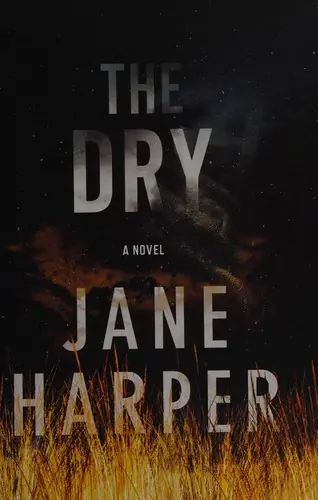
The Dry
Jane Harper
2016
Sharp Objects
Gillian Flynn
2006
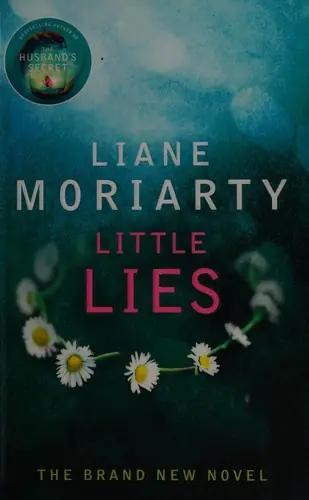
Big Little Lies
Liane Moriarty
2014
A Good Girl's Guide to Murder
Holly Jackson
2019
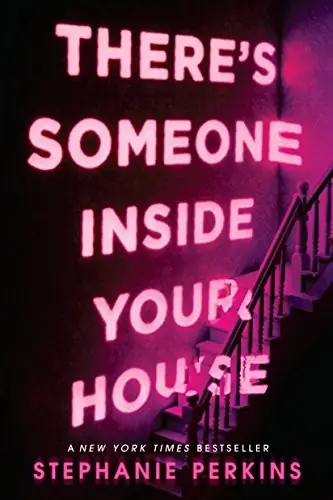
There's Someone Inside Your House
Stephanie Perkins
2017
Outside the catalog, Shirley Jackson's short story The Lottery, first published in The New Yorker in 1948, is the classic version of the idea. A village holds its annual drawing on a bright morning, and the ritual is darker than the setting suggests. It takes one sitting to read.
When the town is only a set
The obvious risk is the twist that comes out of nowhere. If the answer is a character nobody met until the last chapter, the secrets feel like a trick rather than a discovery. Good books plant the clues in the community itself, in the gossip and the small lies.
The other risk is a town that exists only to be creepy. A place with no real jobs, friendships, or daily life is a set. The strongest books make the community feel lived in, so the secrets have something to damage.
Which town to visit first
For a bleak, atmospheric thriller, begin with “The Dry”. For a darker, more personal read, pick up “Sharp Objects”. “Big Little Lies” suits readers who like suspense wrapped in social satire, and “A Good Girl's Guide to Murder” is a quick, clever start for a younger reader.
Find books with the “Small Town Secrets” trope
49 books in the catalog. Add and exclude tropes, filter by genre and year.
Open in search
Frequently asked questions
What does small town secrets mean in books?
It describes a story set in a close-knit town where the residents seem friendly and ordinary, but the community is hiding a crime, a past wrong or a dangerous silence. The secrets usually come out as the story goes on.
Is a small town secrets book always a murder mystery?
Usually there is a crime at the centre, but not always. Some books focus on family secrets, old grudges or a community's refusal to talk about what happened. Check the blurb to see whether the story is a whodunit or a slower drama.
How is this different from a small town romance?
Small town romance centres on a love story and a warm community. Small town secrets is about the gap between how a town looks and what it hides, and the tone is usually darker.
Which small town secrets book should I read first?
For a bleak, atmospheric thriller, try The Dry. For a literary mystery with a sharp narrator, Sharp Objects is a strong choice. A Good Girl's Guide to Murder works well if you want a faster, younger read.