 Psychological Thriller
A psychological thriller is a book where much of the suspense comes from inside a character's mind: their fears, doubts, blank spots in memory and uncertain grip on reality. The pace and the danger belong to a thriller, but the pressure sits on psychology rather than on chases. Readers also call it a psych thriller, and its best-known tool is the unreliable narrator.
Why readers like it
A chase thriller answers one question: will the hero get away. A psychological thriller asks a stranger one: can this narrator be trusted, and what is really going on. The most frightening room in the book is often the point of view telling it.
The pleasure is in the rereading. Once a reveal lands, early scenes turn out to mean something else, and a second look through the same pages becomes a different story. That double layer is hard to find in books that rely on action alone.
The fear is rarely loud. It builds from small wrongnesses: a door that should be locked, a lie that is almost the truth, a face the narrator cannot place.
How the trope works
Most books in this trope are built from a handful of parts:
- A confined world. A remote house, a hospital ward, a train carriage, a marriage. Fewer exits make the mind louder.
- A damaged or doubting narrator. Memory gaps, medication, grief or drink mean the storyteller may be wrong without lying.
- A threat that stays unclear. The danger could be a person, an institution or the narrator, and the book withholds which one.
- A twist or reversal. Not every book has one, but many are built around a moment where the reader's understanding flips.
The order changes from book to book, but the reader is kept one step behind the truth on purpose.
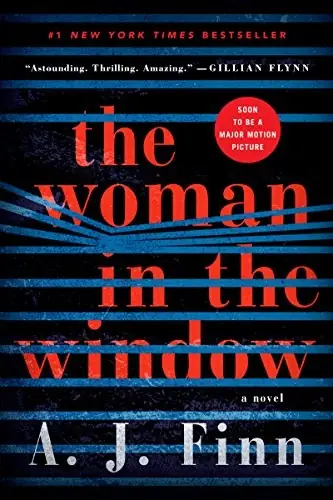
Gillian Flynn's “Gone Girl” is the modern template: two voices describe the same marriage, and each version corrects the other. In “The Girl on the Train” the narrator's blackouts do the work, so the reader has to sort real memory from invention. “The Woman in the Window” uses a narrator who cannot leave her house, which removes her ability to check anything herself.
Variations and neighbours
The trope splits into a few shapes that readers search for separately:
- Domestic thriller. The danger sits inside the family or the home, as in “The Housemaid” and “Verity”.
- Institutional or medical. A hospital, an asylum or the police hold the secret, as in “The Silent Patient” and “Shutter Island”.
- Villain at the centre. The story follows the person doing the harm, as in “The Talented Mr. Ripley”.
It sits next to several other tropes. unreliable narrator is the device most often used to build it, though a book can have one without the other. creeping dread shares the slow dread, and gothic shares the closed, haunted setting. locked room mystery overlaps when the puzzle is who could have done it in a sealed space.
Examples: classics and modern hits
The form is old. “Crime and Punishment” follows a murderer's mind rather than a detective's, and guilt is the engine. Patricia Highsmith wrote thrillers set in a claustrophobic, irrational world, and “The Talented Mr. Ripley” puts the reader inside a charming criminal who fears being caught. An earlier landmark outside this catalog is "The Turn of the Screw" by Henry James, which leaves it open whether the ghosts are real or in the governess's mind.
The recent wave is led by writers turning marriage, memory and work into a puzzle. “Gone Girl” and “The Girl on the Train” reset reader expectations in 2012 and 2015, and the pace has not slowed. Alex Michaelides' “The Silent Patient” keeps a patient silent for the length of the book. “We Need to Talk About Kevin” uses letters to look back at a family and a son the narrator could never reach. Freida McFadden's “The Housemaid” brought the trope to a much larger audience in the 2020s. Stephen King's “The Shining” shows the older, more supernatural side, where a father's mind comes apart in a hotel cut off by snow.

Gone Girl
Gillian Flynn
2012
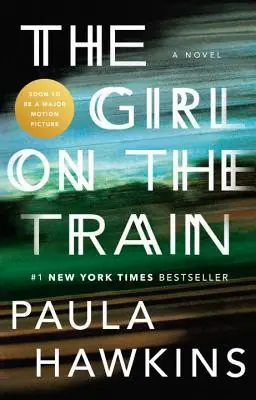
The Girl on the Train
Paula Hawkins
2015

The Silent Patient
Alex Michaelides
2019
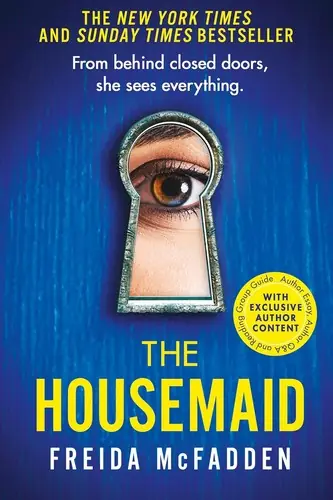
The Housemaid
Freida McFadden
2022

Shutter Island
Dennis Lehane
2003
What some readers dislike
- A twist that betrays the reader. If the final reveal only works because the book hid information unfairly, the surprise feels like a cheat.
- Misery without relief. Some books lean on drink, grief or violence until the reading itself feels heavy.
- The same narrator again. After years of damaged women with unreliable memories, the pattern can feel like a formula rather than a choice.
Where to start
For the classic shape, start with “Crime and Punishment”. For the modern domestic version, “Gone Girl” remains the cleanest example. If you want the medical, institutional setting, try “The Silent Patient”. When domestic stories tire you, move to the older side of the trope, where the dread comes from a house and a mind at once.
Want the psychological tension without the horror?
57 books in the catalog. Add and exclude tropes, filter by genre and year.
Search without “creeping dread”
Frequently asked questions
What does psychological thriller mean in books?
It is a thriller where much of the suspense comes from a character's mind: their fears, doubts, memory gaps and uncertain grip on reality. The danger is real, but the reader also has to work out whether the narrator can be trusted.
What is the difference between a psychological thriller and a mystery?
A mystery usually asks who did it and ends when the puzzle is solved. A psychological thriller focuses on a mind under pressure, and the question is often what is actually happening and whether the narrator sees it straight.
Why do so many psychological thrillers use an unreliable narrator?
Because the device turns the reader's own reading into part of the puzzle. When the storyteller may be wrong, every detail becomes suspect, and a late reveal can change the meaning of earlier scenes.
What should I read first?
Crime and Punishment is the classic entry, Gone Girl is the modern domestic one, and The Silent Patient adds a hospital setting. All three show different sides of the trope.