 Unreliable Narrator
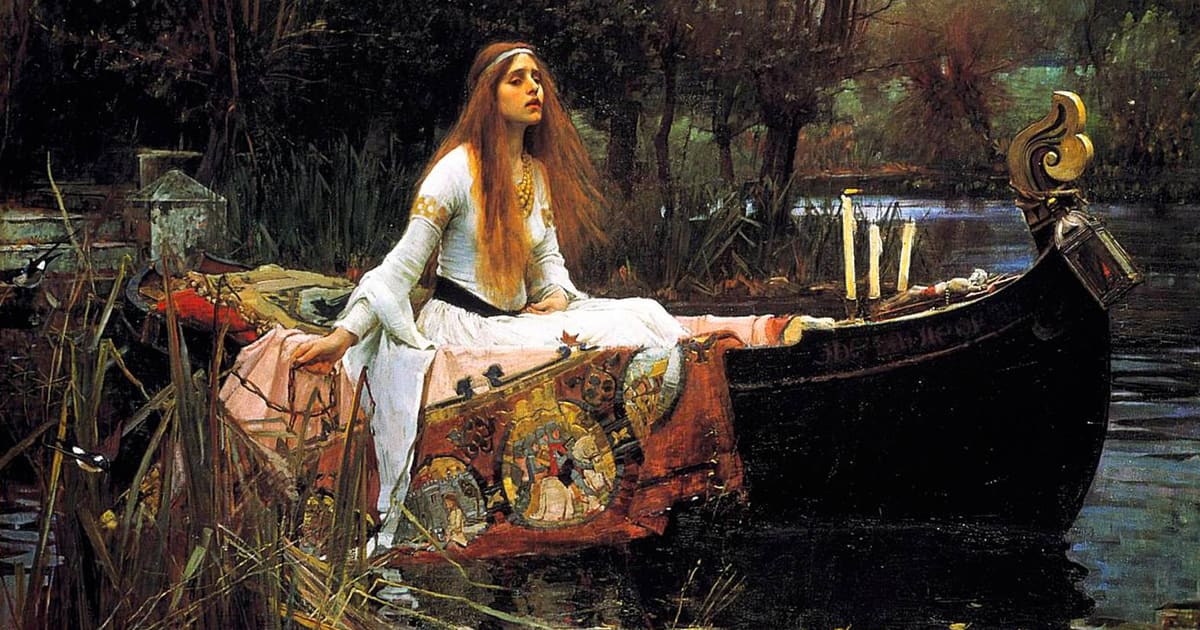
An unreliable narrator is a storyteller whose account cannot be taken at face value. Readers also call it a twisty narrator or a narrator you cannot trust: the voice may lie, leave things out, misremember, or understand less than the reader does, and the book turns that gap into part of the story.
Why readers like it
Most novels ask you to believe the person telling the story. This trope removes that comfort. You read for the plot and also for the cracks: a detail that does not fit, a tone that sounds too rehearsed, a memory that changes between chapters.
The first-person voice makes the effect personal. You spend the whole book inside one mind, then have to decide how much of it to accept. The threat may be the very voice you have been listening to.
There is also the pleasure of a second reading: once you know what the narrator was doing, early scenes carry different weight.
How the trope works
Unreliable narration takes a few common shapes:
- The deliberate liar. The narrator conceals a crime or arranges events to look better, and the reader slowly notices the gaps.
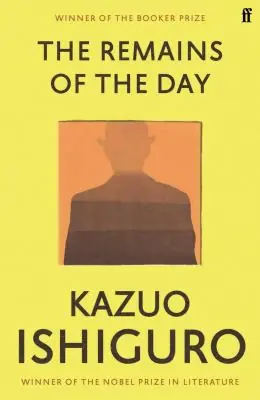
- The self-deceiver. They report facts with care but misread their own motives, as in “The Remains of the Day”, where a butler describes his life plainly and still misses what it has cost him.
- The limited witness. A child, an ill or intoxicated person, or someone with missing information describes the world as they see it. Their account is sincere and still incomplete.
- The competing accounts. Two or more voices remember the same events differently, and the reader has to weigh each version.
The term was coined by the critic Wayne C. Booth in 1961, but the device is older than the name. What matters is not whether the narrator is a bad person: a narrator can be decent, careful and wrong. The book makes sure the reader can see more than the teller can.
Writers leave signals: contradictions, odd gaps, a story that flatters the narrator too neatly, or another character reacting in a way the description cannot explain. Some books reveal the problem early; others wait until the end, and some never settle it.
Variations and nearby tropes
The device overlaps with several nearby tropes. A twist ending often depends on it, though the two are not the same: the twist changes the plot, while the narrator changes how the plot was told. amnesia supplies a practical reason for missing memories, and dual identity lets a narrator hide who they are.
It also sits close to the psychological thriller, where uncertain perception is part of the suspense, and to Gothic fiction, where isolated houses and old secrets make every account feel unstable. A book with an unreliable narrator can also belong to villain protagonist territory when the teller is the one causing harm.
Examples: classics and modern hits
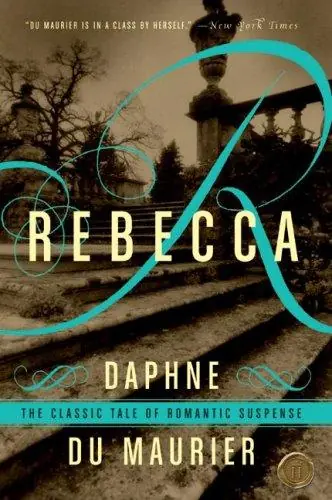
The classic examples often use more than one teller. “Wuthering Heights” reaches us through Lockwood and Nelly Dean, and both have their own sympathies and blind spots. “The Great Gatsby” is filtered through Nick Carraway, who calls himself honest but clearly admires Gatsby. In “Rebecca”, the second Mrs de Winter fills Manderley with her own fears, and her account of the first wife may say more about her than about Rebecca.
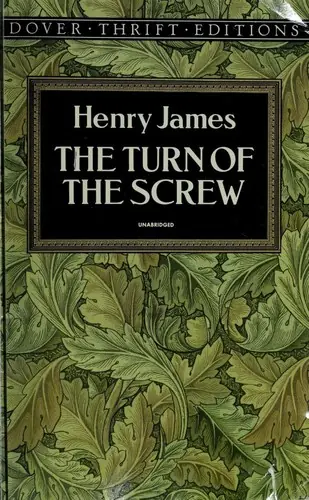
“The Turn of the Screw” is the famous ambiguous case: a governess sees figures that no one else confirms, and the reader must decide whether she is right, mistaken or something else. “The Remains of the Day” shows how quietly the device can work, with no crime and no ghost, only a man who cannot admit what he has lost.
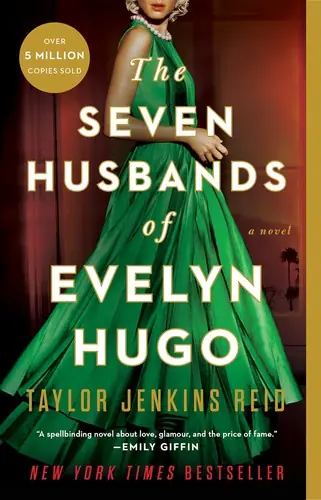
Recent fiction has made the trope a selling point. “Gone Girl” sets two accounts of one marriage against each other. “The Girl on the Train” uses blackouts and drink to undermine the narrator's memory. “The Silent Patient” gives the story to a therapist whose own reasons for telling it become part of the puzzle. “The Last House on Needless Street” uses several voices and a careful routine that starts to break. “The Seven Husbands of Evelyn Hugo” applies the idea to a star who controls her own life story, and “Verity” puts a written confession at the centre, leaving the reader to decide whether it is true.
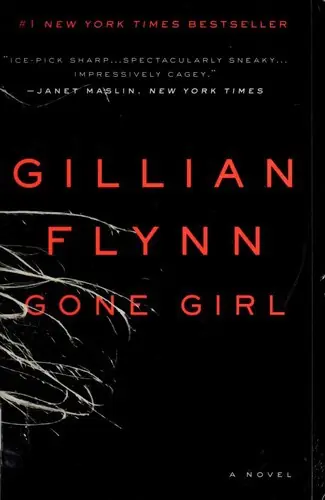
Gone Girl
Gillian Flynn
2012
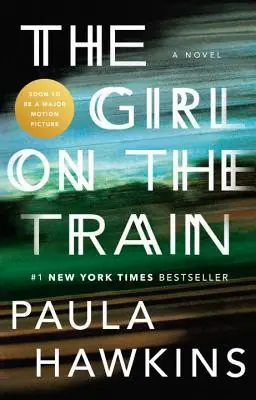
The Girl on the Train
Paula Hawkins
2015
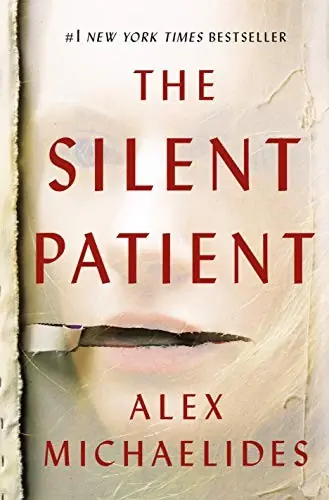
The Silent Patient
Alex Michaelides
2019
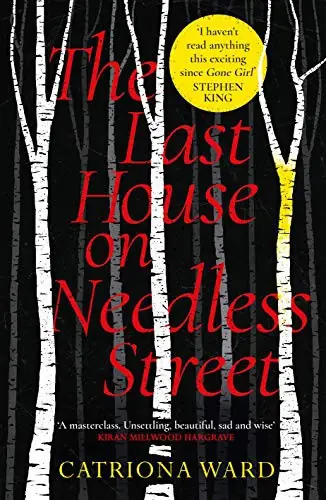
The Last House on Needless Street
Catriona Ward
2021
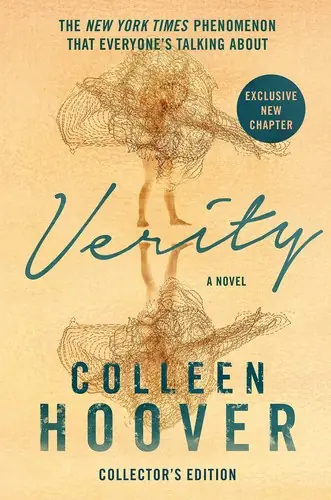
Verity
Colleen Hoover
2018
Two examples outside the catalog show other sides. In "Lolita" by Vladimir Nabokov, Humbert Humbert uses eloquence and self-pity to ask for sympathy he should not receive. In "The Curious Incident of the Dog in the Night-Time" by Mark Haddon, the narrator is not dishonest; he reads the world through his own rules and misses much of what others mean.
What some readers dislike
- A twist that hides too much. If the final reveal depends on information the narrator would have known, the surprise can feel like a trick rather than a discovery.
- A device with no purpose. When unreliability exists only to produce a shock, the book can feel hollow on a second reading.
- Mental illness as a shortcut. Using a diagnosis to explain every strange detail can turn a character into a plot mechanism.
- A narrator with no appeal. A cruel or self-pitying voice for hundreds of pages is a real test, even when the writing is skillful.
Where to start
For atmosphere and a narrator whose imagination fills the page, begin with “Rebecca”. For the modern version, “Gone Girl” remains the clearest example of two accounts in conflict. If you want the quiet, literary side, choose “The Remains of the Day”. For an unresolved question, try “The Turn of the Screw”.
Find books with the “Unreliable Narrator” trope
70 books in the catalog. Add and exclude tropes, filter by genre and year.
Open in search
Frequently asked questions
What does unreliable narrator mean in books?
It means the person telling the story cannot be fully trusted. They may lie on purpose, leave out important facts, misremember events or misunderstand the people around them. The reader has to compare their account with other evidence and decide what is true.
Is an unreliable narrator always lying?
No. Some narrators lie to protect themselves or shape how others see them. Others are honest but biased, forgetful or limited in what they know. A narrator can also tell the truth about events while misreading their own feelings and motives.
What is the difference between an unreliable narrator and a twist ending?
A twist ending is a plot device that changes how you understand the story. An unreliable narrator is a voice that was already shaping that understanding. A book can have one without the other, though the two often appear together in thrillers.
What should I read first?
Rebecca is a good starting point for atmosphere and a narrator who imagines more than she knows. Gone Girl shows the modern version with two accounts of one marriage. The Remains of the Day is the quiet, literary choice.