 Gothic
Gothic fiction is a genre of stories built on fear, atmosphere and the pull of the past. Readers also call it Gothic horror or the Gothic novel, and its signature is a book that feels haunted long before anything supernatural actually appears.
Why readers are drawn to it
A Gothic novel rarely rushes. It lets a place settle around the characters: a country house, a crumbling abbey, a castle on a cliff, a village that keeps its own rules. The setting carries as much weight as the people in it, and the reader learns to read the mood of a room the way the heroine does.
The second pleasure is uncertainty. Something is wrong, but the book withholds the explanation. Footsteps, a locked door, a portrait, a smell of smoke in an empty wing — the genre feeds on the gap between what a character notices and what she can prove. That gap is what keeps readers turning pages late at night.
There is also romance in the older sense of intense feeling. Gothic fiction is comfortable with obsession, grief, guilt and longing, and it rarely treats any of them as simple.
What a Gothic story is made of
Most Gothic novels share a handful of parts:
- A charged setting. A gothic manor, a remote house, a monastery, a fog-bound town. Isolation makes escape feel impossible and gives the atmosphere room to build.
- A threat that is never fully explained. Ghosts, curses, illness, a family history that will not stay buried. Ann Radcliffe's The Mysteries of Udolpho made the "explained supernatural" famous: terror that turns out to have a rational cause, which can make the dread feel heavier rather than lighter.
- A past that returns. The genre runs on inheritance, debts and old crimes. What was done long ago drives what happens now.
- A vulnerable observer. Often a young woman alone in a strange household, a pattern critics call the female Gothic. Later books move the observer elsewhere, but the sense of being watched stays.
- Mood over shock. Gothic horror prefers creeping dread to gore, which is why creeping dread and Gothic so often appear together.
Variations and nearby tropes
Gothic is a broad family, and several branches have their own names.
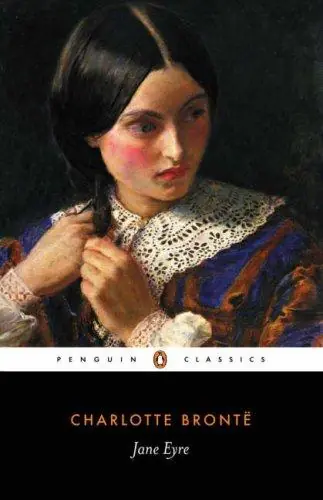
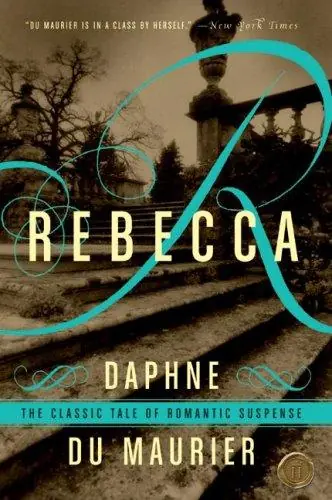
- Female Gothic. Stories of a woman trapped in a house or a marriage, using the supernatural to talk about real powerlessness. Jane Eyre and Rebecca are the usual examples.
- Southern Gothic. An American branch that keeps the decay and family secrets but moves them to the South and adds community, guilt and history. See Southern Gothic.
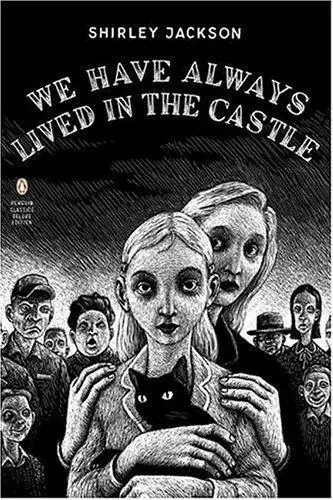
- Modern Gothic. Twentieth- and twenty-first-century novels that drop the castles but keep the unease, as in Shirley Jackson's We Have Always Lived in the Castle.
- Gothic romance. The love story at the centre, with a Byronic hero, a secret and a heroine who does not know whom to trust.
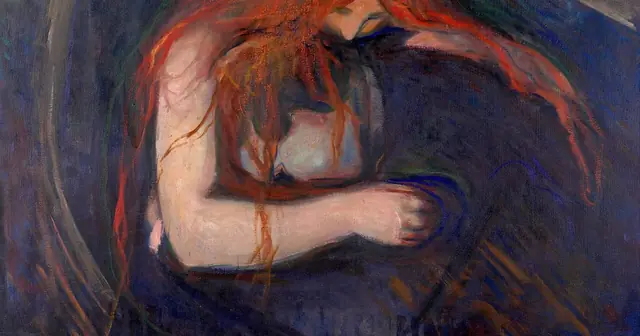
It also overlaps with tropes you can search on their own: haunted house, ghost story, vampires and the Gothic manor setting. A single book can be all of them at once.
Classic and modern examples
The tradition begins outside this catalog: Horace Walpole's The Castle of Otranto (1764) is usually named the first Gothic novel, and Jane Austen later parodied the fashion in Northanger Abbey.
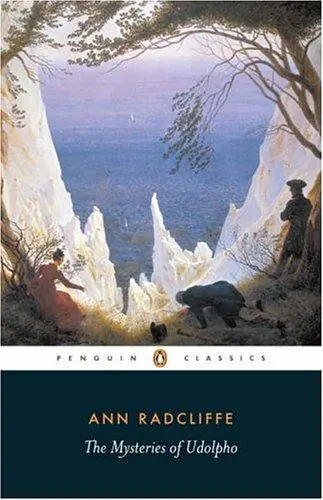
The Mysteries of Udolpho
Ann Radcliffe
1794
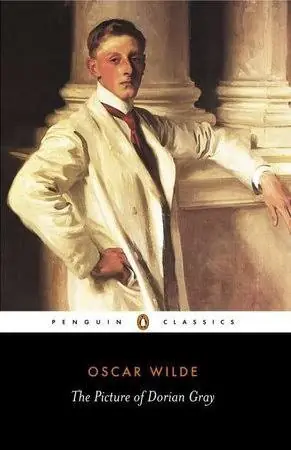
The Picture of Dorian Gray
Oscar Wilde
1890

Dracula
Bram Stoker
1897
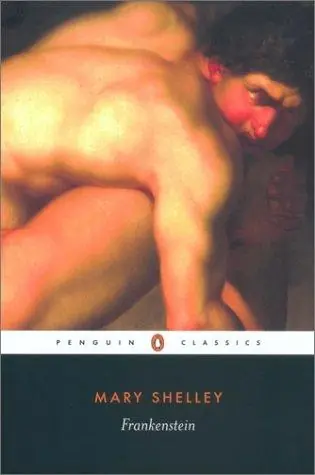
Frankenstein
Mary Shelley
1818
In the twentieth century, “Rebecca” moved the pattern to a great estate remembered by its second Mrs de Winter, and Shirley Jackson's “We Have Always Lived in the Castle” made a small house and a hostile village just as frightening.
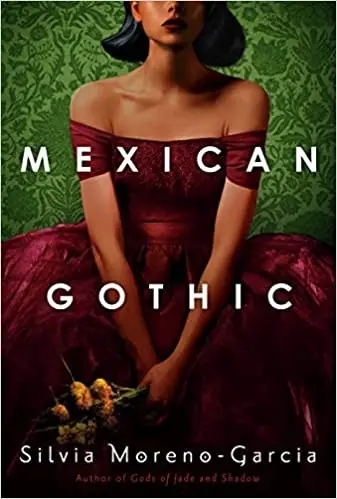
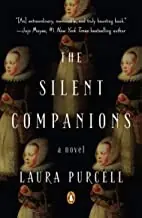
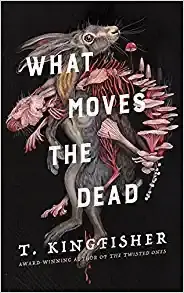
The genre is thriving now. “Mexican Gothic” takes a young woman to a decaying family house in the Mexican countryside, “The Hacienda” sets a haunted house story after the Mexican War of Independence, and “The Silent Companions” uses Victorian superstition and painted wooden figures. “What Moves the Dead” reworks Poe's "The Fall of the House of Usher" as a short, unsettling novel.
What some readers dislike
- Slow pacing. Gothic builds mood rather than momentum. If you want a fast plot, the opening chapters can feel like waiting.
- Ambiguity. Many Gothic novels refuse to say whether the ghost is real. That is the whole point for some readers and a frustration for others.
- Helpless heroines. The older books often put women in danger and leave them little to do, which has aged badly for many readers.
- Melodrama. Storms, swoons and secrets can tip into the overwrought, especially in the eighteenth- and nineteenth-century originals.
Where to start
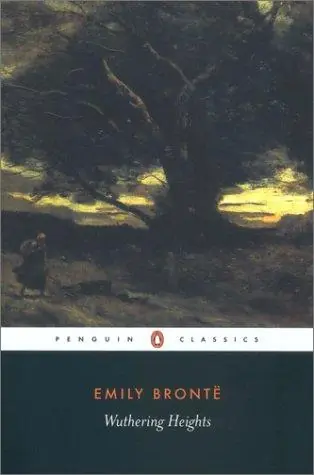
If you want the classic version, start with “Dracula” or “Jane Eyre”. For a modern Gothic that keeps the atmosphere and moves faster, try “Mexican Gothic”. To see how the mood travels, compare it with dark academia, which shares the old buildings and secrets but usually leaves the supernatural aside.
Find books with the “Gothic” trope
42 books in the catalog. Add and exclude tropes, filter by genre and year.
Open in searchReaders who come for the eerie house should look at the entries for haunted house and Gothic manor; readers who come for the undead should begin with vampire books.
Frequently asked questions
What does Gothic mean in books?
Gothic describes a kind of story that runs on atmosphere, mystery and dread. Old buildings, secrets from the past and the threat of something supernatural matter more than sudden scares, and the mood tends to stay with the reader after the plot is done.
Is Gothic fiction the same as Gothic horror?
Mostly, yes. Gothic horror is the common modern name for the same tradition. Horror leans on fear and shock, while Gothic adds romance, melancholy and a strong sense of place, but the two labels overlap and readers use them for the same books.
What is the difference between Gothic and Southern Gothic?
Southern Gothic is an American branch of the genre. It keeps the decaying houses, family secrets and unease of the Gothic but sets them in the American South, often with a sharper focus on guilt, race and community.
What should I read first?
For a short, vivid start, try Dracula or Jane Eyre. If you prefer something recent, Mexican Gothic and The Hacienda show how the genre works today.