 Byronic Hero
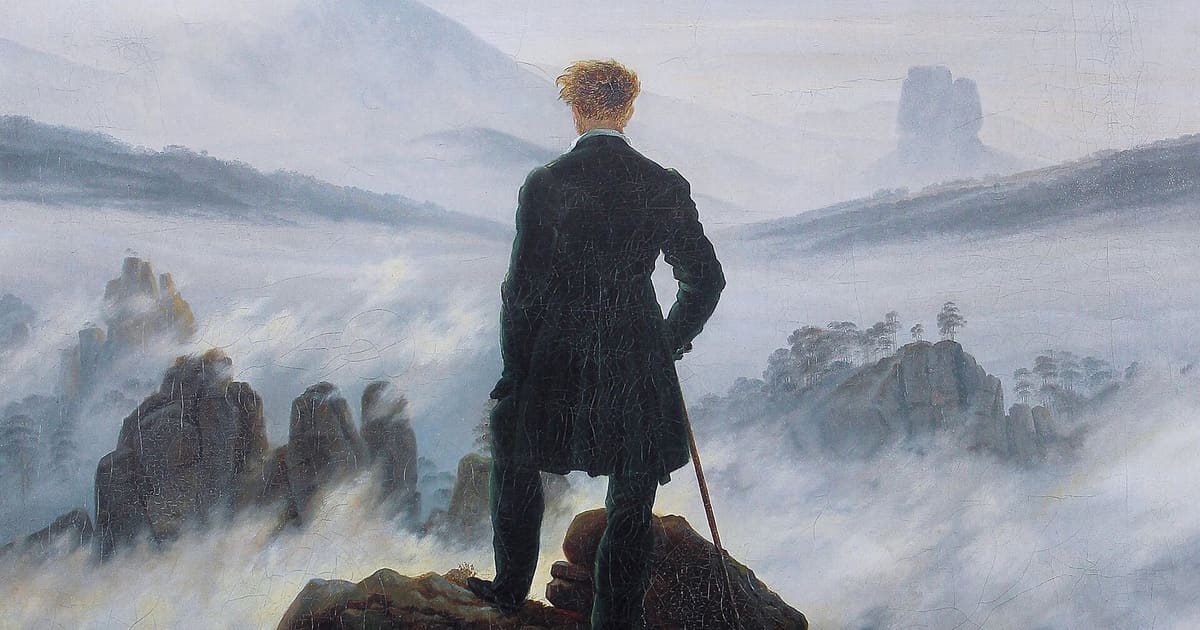
A Byronic hero is a charismatic, brooding character who carries guilt, a hidden wound or an open quarrel with the world. The type is named after the poet Lord Byron, and readers look for it under several other names too: the tortured hero, the dark and brooding love interest, the mysterious bad boy.
Where the name comes from, and what the hero is like
Lord Byron became famous across Europe after the first cantos of his poem Childe Harold's Pilgrimage appeared in 1812. Its hero was a young nobleman weary of pleasure, and the public quickly assumed that the poet and his character were the same man. Byron's own life matched the role: Lady Caroline Lamb, one of his lovers, called him mad, bad and dangerous to know. Other writers copied the figure: John William Polidori, Byron's physician, turned him into the vampire Lord Ruthven in The Vampyre (1819).
The hero usually has a few fixed pieces. He is intelligent and well-read, and often richer or higher-born than the people around him. He broke a rule, failed someone or committed a wrong he cannot undo, and that memory shapes his mood. He seems proud and cold in public and is capable of sudden warmth in private. He does not accept the morals of his society as his own. His charm is real. So is the sense that getting close to him carries a cost.
How the trope plays out in a story
Byronic heroes are usually not the narrator. The story hands them to a quieter, more open character, such as a governess, a young wife or a scholar, and lets that person try to read them. The early chapters build small contradictions: a kindness that does not fit the reputation, a burst of temper, a room that stays locked. Readers keep turning pages because they want to know the secret.
When the past does surface, the plot turns on a choice. The hero can stay as he is, or he can let someone see the worst of him and risk losing them. Romance is common, but the central question is whether a person who believes he is beyond saving will accept that someone disagrees.
Variations and neighbouring tropes
The gothic version keeps the castle, the family curse and the sense of doom; Gothic fiction and the Byronic hero grew up together. The romantic version softens the darkness into a love story and comes close to enemies to lovers when the first meeting is a fight. The modern fantasy and paranormal version turns the secret into something literal: a vampire, a fallen angel, a man under a curse.
A Byronic hero is not the same as a morally grey character, though the two often overlap. Morally grey is about what a person will do to reach a goal. Byronic is about what a person carries and how it has shaped him. He is not a plain villain either: he still holds to some line.
Books that show it well
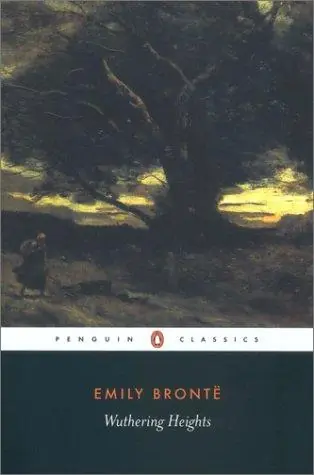
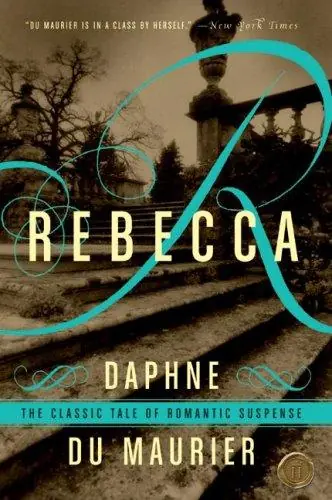
Start with the classics. In “Jane Eyre” Charlotte Brontë gives the type its most sympathetic form: Mr Rochester is proud, secretive and carrying a wrong that the house itself seems to hide. In “Wuthering Heights” Emily Brontë pushes the same figure to the edge, where grief and resentment turn cruel. “Rebecca” by Daphne du Maurier keeps the mood in the twentieth century, with a widower whose silence about the past fills Manderley.
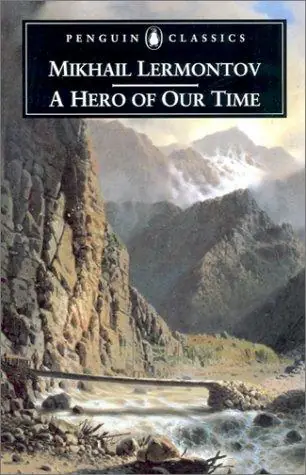
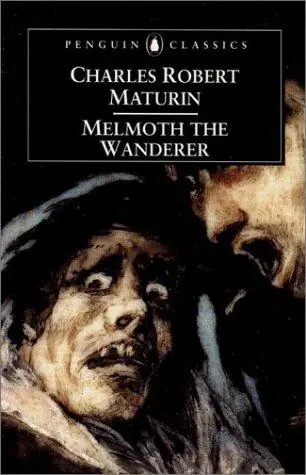
Outside Britain the pattern travels well. “A Hero of Our Time” by Mikhail Lermontov offers Pechorin, a bored officer whose intelligence turns on everyone near him and who stands beside the Russian idea of the superfluous man. “The Sea-Wolf” by Jack London puts the hero on a sealing ship as Wolf Larsen, a self-taught captain who answers to no law. “Melmoth the Wanderer” by Charles Robert Maturin reaches back to 1820, where the hero traded his soul for long life and now offers others the same bargain. Well outside the catalog, Edmond Dantès in Alexandre Dumas's "The Count of Monte Cristo" (1844) is a familiar example of the type.
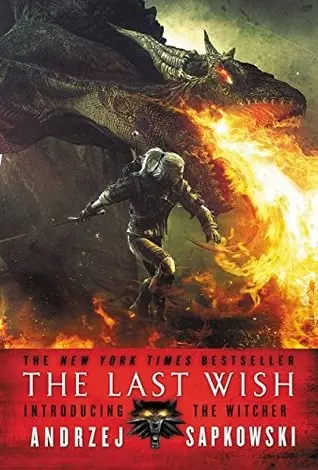
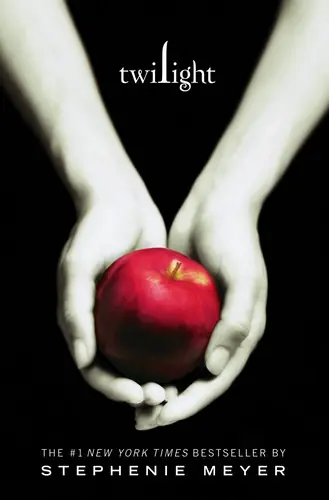
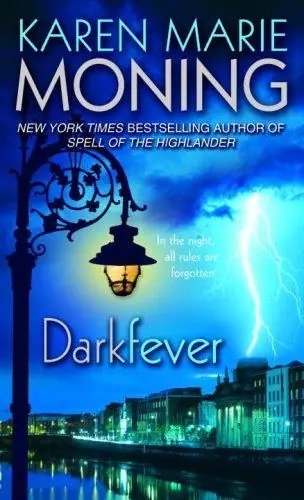
Modern readers meet the trope most often in fantasy and romance. In “The Last Wish” by Andrzej Sapkowski the witcher Geralt broods over a world that distrusts him. “Twilight” by Stephenie Meyer recast the figure for young adult readers as Edward Cullen, withdrawn and dangerous. Jericho Barrons in “Darkfever” by Karen Marie Moning is the urban-fantasy version: helpful, unreadable and always keeping his own reasons.
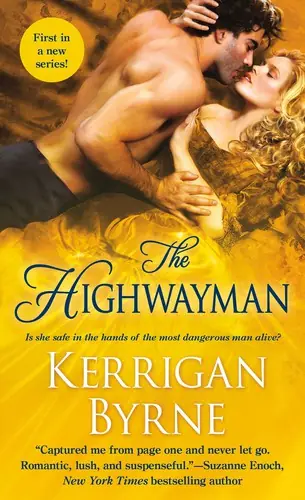
show how paranormal and historical romance use the same figure, one as the leader of a vampire brotherhood, the other as a scarred highwayman.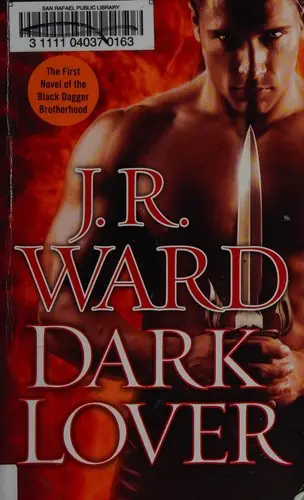
What some readers dislike
Two complaints come up often. The first is that the darkness is only a mood: a hero who scowls and says little but has no real reason for it starts to feel like a costume. The second is that cruelty gets dressed as romance. When a hero humiliates or controls the other character and the book treats it as love, some readers find the story hard to enjoy. Reading a few reviews first helps.
Where to start
If you want the clearest introduction, read “Jane Eyre” first; it shows the type at full strength without making it monstrous. For something darker, try “Wuthering Heights”. You can also go back to Childe Harold's Pilgrimage by Lord Byron, where the figure first reached the public, or follow star-crossed lovers if the doomed version of the same story is what you want.
Find books with the “Byronic Hero” trope
20 books in the catalog. Add and exclude tropes, filter by genre and year.
Open in search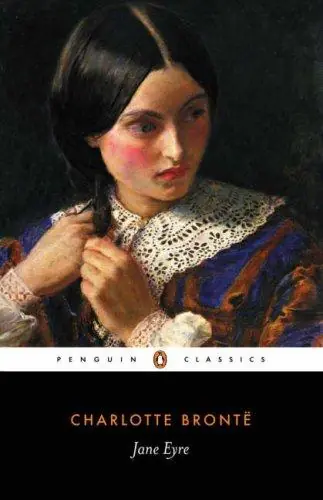
Frequently asked questions
What does Byronic hero mean in books?
It describes a character who is charismatic but brooding, usually carrying guilt, grief or a dark secret from the past. He tends to reject the rules of his society and keeps other people at a distance.
How is a Byronic hero different from an antihero?
An antihero simply lacks the usual heroic qualities. A Byronic hero still has strength, charm and deep feeling, but is weighed down by his past and by his quarrel with the world.
Are Byronic hero stories always romance?
No. The type appears in gothic fiction, adventure and fantasy as well. A love story is common because the question of whether someone can reach him fits romance so well.
Which Byronic hero book should I read first?
Jane Eyre is the clearest starting point: it gives you the proud, secretive hero and the slow discovery of his past. Wuthering Heights is the darker option, and The Last Wish suits fantasy readers.