 Vampires
Vampire books are stories built around vampires: beings who drink blood, live far longer than ordinary people, and stand outside the usual rules of human life. The phrase sits next to vampire fiction and vampire romance, and the same figure carries all three, because a vampire can be a monster, a love interest, or both at once. Nothing about the trope is fixed. Each author decides what a vampire can do, what it costs, and whether it can be loved.
Why readers keep coming back to vampires
A vampire is dangerous and attractive in the same scene, and that mix is the point. The character can hold real power over the hero or heroine and still be vulnerable to something simple: hunger, sunlight, an old promise. That tension does not need a battle to work. A conversation in a dark room is often enough.
There is also the question of time. A creature that has lived for centuries can remember what everyone else has forgotten, which gives a book depth without long explanations. And a vampire is an outsider by definition, so the trope carries loneliness, exile, and the wish to belong without saying any of those words out loud.
What a vampire book is made of
Most vampire books share a few working parts:
- Rules. What the vampire can and cannot do, and what it needs to survive. These rules change from book to book, which is why two vampire stories can feel completely unrelated.
- The bond. How people become vampires, or how a human is tied to one through blood, love, or a debt.
- The hunter or the hunted. Someone usually wants the vampire gone, or the vampire wants something the human is not ready to give.
- The price. Immortality rarely comes free, and the cost is often the emotional centre of the story.
Variations and neighbouring tropes
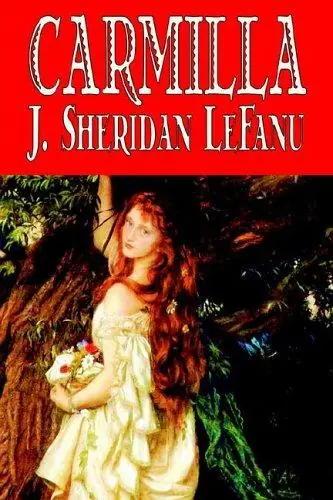
The oldest wing is Gothic horror, where the vampire is a threat to be understood and stopped. “Dracula” by Bram Stoker is the model, and “Carmilla” by Sheridan Le Fanu is the earlier, shorter tale that helped shape it.
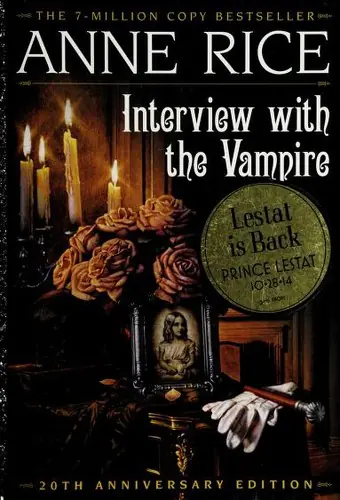
A second wing makes the vampire sympathetic: a tragic figure who remembers being human and suffers for it. Anne Rice did much to establish this with “Interview with the Vampire”, and it still drives many recent titles.
A third wing is romance, where the danger becomes attraction. Here the trope meets forbidden love, the Byronic hero, and the immortal protagonist. Other books push vampires into detective and urban fantasy settings, or into science fiction, where the vampire is treated as a biological fact rather than a curse.
Vampire books to start with
If you want the classic version, begin with “Dracula”. For a short, unsettling nineteenth-century story, read “Carmilla”. “Interview with the Vampire” is the bridge between horror and the modern sympathetic vampire.
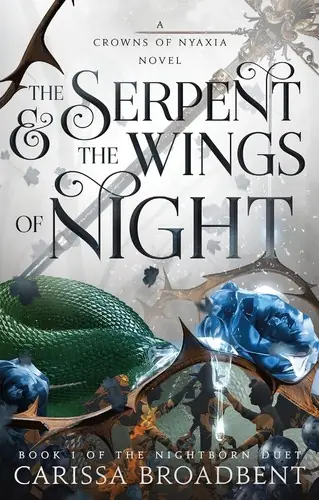
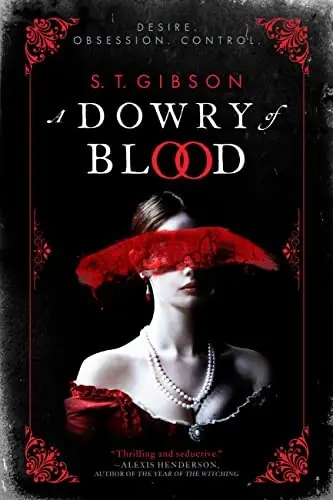
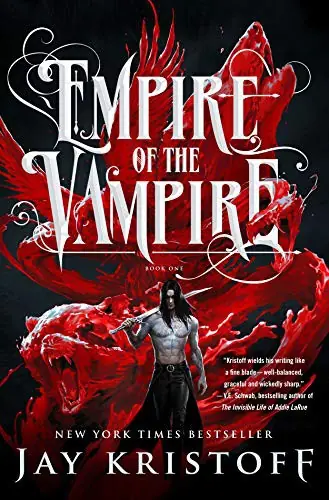
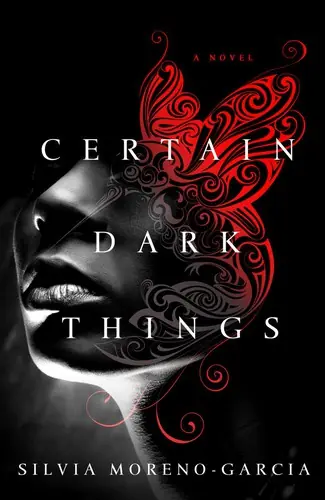
Recent romantic fantasy is well represented too. “The Serpent and the Wings of Night” sets a human heroine against a vampire court, and “A Dowry of Blood” tells a long marriage from the inside. Readers who want a darker, larger canvas can try “Empire of the Vampire”. For a quieter, stranger take, “Certain Dark Things” moves the trope to Mexico City.
A few well-known books sit outside our catalog and are still worth naming. "Salem's Lot" by Stephen King brought the vampire into a small American town. "Let the Right One In" by John Ajvide Lindqvist keeps the horror close to a child's friendship instead of romance.
Find books with the “Vampires” trope
25 books in the catalog. Add and exclude tropes, filter by genre and year.
Open in search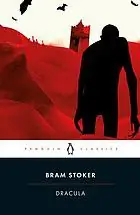
What some readers dislike
- Rules that keep changing. When a book breaks its own vampire rules to solve a problem, the tension disappears.
- Romance without risk. Some readers find that once the vampire is fully safe and kind, the figure stops being interesting.
- The same look and mood. Pale nobles, old houses, and velvet get repeated until they feel like costume rather than story.
How to choose a vampire book
Decide what you want the vampire to be first. If you want fear, look for horror and Gothic titles. If you want longing and a slow build, look for paranormal romance and romantic fantasy. If you want the rules tested like a puzzle, look for urban fantasy and science fiction. Then check how dark the book goes: some treat blood and death lightly, others do not. A quick look at the description usually tells you which kind you are picking up.
Frequently asked questions
What does vampires mean in books?
It means a story built around vampires: beings that drink blood, live far longer than ordinary people, and sit outside the usual rules of human life. The vampire can be a monster, a love interest, or both.
What is the difference between vampire books and vampire romance?
Vampire books is the wider term and covers horror, fantasy, mystery, and science fiction. Vampire romance is the part of it where the relationship between a human and a vampire is the main story, not just one thread.
Do vampire books have to be horror?
No. Horror is where the trope started, with Dracula and Carmilla, but it now runs through romance, urban fantasy, and even hard science fiction, where the vampire is treated as a biological fact.
What should I read first?
For the classic version, start with Dracula. For something shorter and stranger, read Carmilla. If you want modern romance, try The Serpent and the Wings of Night.