 Dark Academia
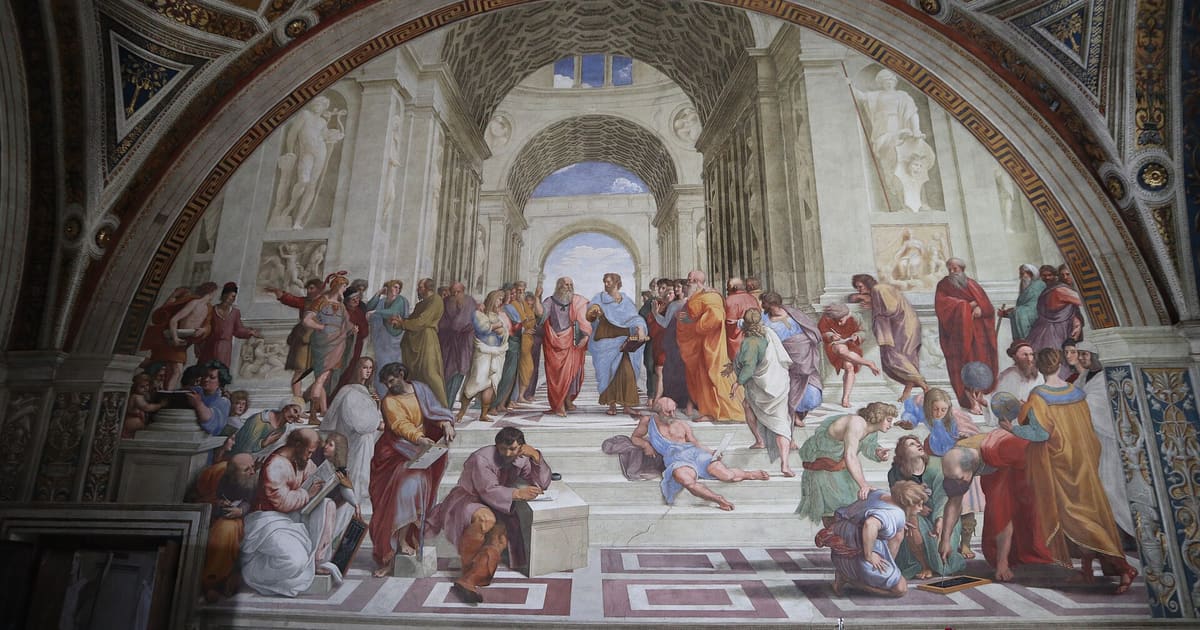
Dark academia is a mood and a story pattern built around old universities, hidden knowledge and ambition that goes too far. Readers use the phrase for both an aesthetic and a set of plots, so dark academia books can mean a killing among classics students, a scholarship that demands more than hard work, or a school where the library is the most dangerous room on campus.
The term itself is recent. The look grew out of study-focused blogs on Tumblr in the mid-2010s and reached Instagram and Pinterest a few years later, and Merriam-Webster dates the first known use of "dark academia" to 2018. The books came first, though. Donna Tartt's “The Secret History”, published in 1992 and set among Greek students at a small New England college, is usually treated as the work that started it, and the genre has been answering its example ever since.
Why readers are drawn to it
Part of the appeal is the setting: dark wood, autumn light, worn copies of old books, a group of clever people who take ideas seriously. That world gets photographed and recreated online for a reason. It looks like a place where thinking is the most exciting thing a person can do.
The other half is the bargain at the centre. In these stories knowledge is never neutral. It is guarded, expensive, and tied to a group that decides who is allowed in. Watching a character choose between belonging and doing the right thing is what the trope runs on.
What a dark academia story needs
- An institution with a past. A university, conservatory or boarding school old enough to keep records nobody has read in years. The building should feel like a character.
- A closed circle. A seminar, society or clique that admits few people. The pressure comes from how much the members need each other and how little they trust each other.
- Forbidden knowledge or a buried crime. Something the group studies or hides that ordinary rules cannot contain.
- Complicity. The narrator is not an innocent observer. They wanted in, and that choice implicates them in what follows.
Common variations
The trope bends to fit whatever the author wants to examine. A few recurring shapes:
- The murder in the past. The crime is already done when the story opens, and the book is about the slow reckoning that follows. See “If We Were Villains” and “The Secret History”.
- The magic school. Hidden power taught behind closed doors, where the curriculum itself is dangerous, as in “A Deadly Education”, “The Magicians” and “Vita Nostra”.
- The secret society. Real institutions with private rituals and old money, as in “Ninth House” and “The Atlas Six”.
- The rival scholars. Ambition turns two friends into enemies, which pulls the trope close to a revenge quest and to morally grey characters, as in “Vicious”.
Neighbouring tropes overlap here by design. secret society supplies the rituals, forbidden knowledge supplies the danger, and magic academy supplies the school. Dark academia sits at the meeting point, and it stays dark because of the price of belonging rather than because of monsters alone.
Dark academia books to start with
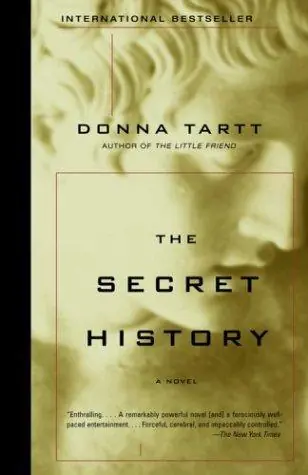
The Secret History
Donna Tartt
1992
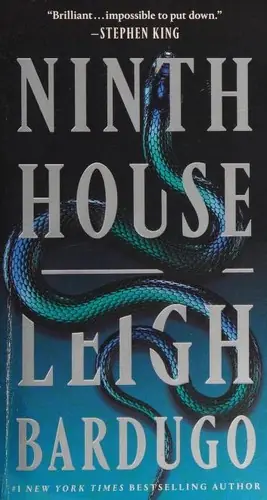
Ninth House
Leigh Bardugo
2019
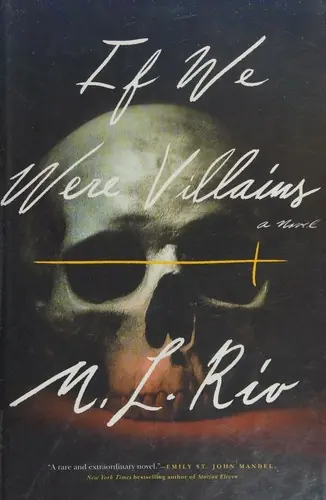
If We Were Villains
M. L. Rio
2017
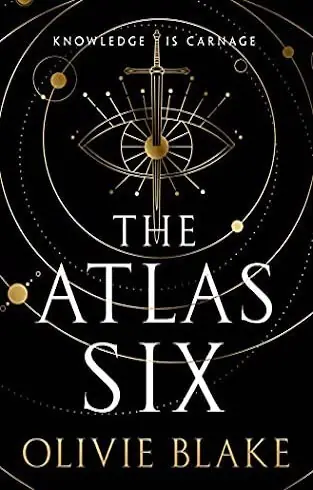
The Atlas Six
Olivie Blake
2020
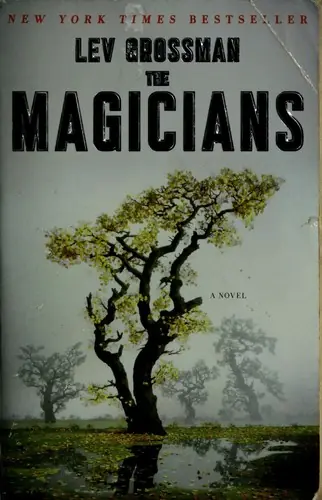
The Magicians
Lev Grossman
2009
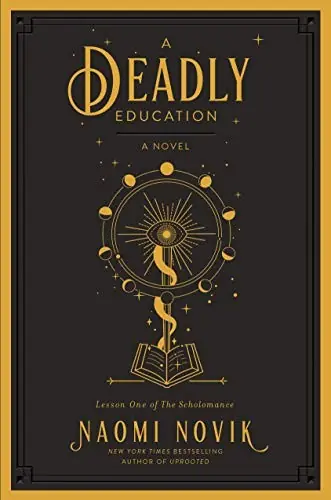
A Deadly Education
Naomi Novik
2020
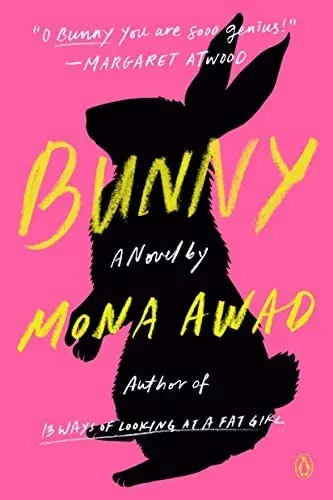
Bunny
Mona Awad
2019
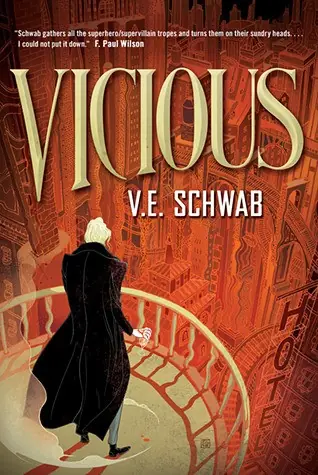
Vicious
V. E. Schwab
2013
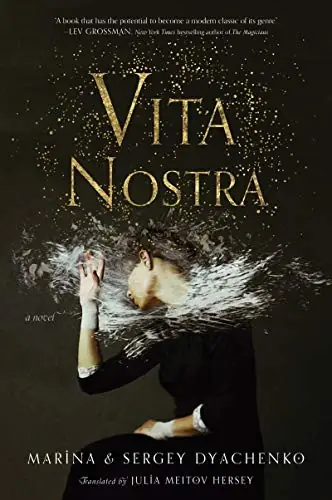
Vita Nostra
Marina Dyachenko and Sergey Dyachenko
2007
“The Secret History” remains the clearest example. Richard Papen arrives at an elite Vermont college from California, is taken up by a small circle of classics students, and becomes part of a killing that happened before the first page. The novel's own phrase for the mood, "a morbid longing for the picturesque at all costs", has become the trope's shorthand.
“Ninth House” moves the idea to Yale, where old secret societies run the university's magic and Alex Stern is recruited to police them. “If We Were Villains” sets a death among seven acting students who quote Shakespeare until the plays and their lives blur. “The Atlas Six” turns the closed circle into a competition: six magicians, one society, and only five places. “Bunny” pushes the same material toward horror and satire inside an MFA writing programme.
Outside the catalog, R. F. Kuang's "Babel" (2022) is a strong recent example, putting the deadly study of translation at the heart of an alternate Oxford. Oscar Wilde's "The Picture of Dorian Gray" shows how far back the pattern reaches, with beauty, study and corruption bound together in a single life.
What some readers dislike
- Style over stakes. If the candles and the Latin are the whole point and nothing is genuinely risked, the mood stops doing any work.
- The unearned insider. Some readers tire of protagonists who are outsiders only so that the elite world can be explained to them.
- Cruelty treated as cleverness. When a group's nastiness is presented as glamour with no cost, the book can seem to praise exactly what it claims to examine.
- A narrow world. Critics have noted that the genre's canon and casts have long skewed white and privileged, a point several recent authors address directly.
Where to start
If you want the book that set the pattern, start with “The Secret History”. For magic with a body count, try “Ninth House” or “A Deadly Education”. For something stranger, “Vita Nostra” is worth the effort. And if you like the atmosphere in a colder key, Gothic fiction is the tradition it grew out of.
Find books with the “Dark Academia” trope
9 books in the catalog. Add and exclude tropes, filter by genre and year.
Search without “magic academy”Frequently asked questions
What does dark academia mean in books?
It is a story pattern set in an old school or university where study, ambition and hidden knowledge push the characters into danger. The setting and the cost of belonging matter more than any single plot.
What is the difference between dark academia and Gothic fiction?
Gothic fiction is older and leans on haunted places, decay and fear. Dark academia borrows that mood but centres it on study and an institution. Many books sit in both, which is why the two are often confused.
Which dark academia book should I read first?
Start with The Secret History by Donna Tartt, the novel that shaped the trope. If you want magic, try Ninth House by Leigh Bardugo; for a shorter, stranger book, try Vita Nostra.
Is dark academia always about murder?
No. A crime is common, but some dark academia novels turn on a dangerous discovery, an obsessive rivalry, or a school that asks too much of its students. The constant is the pressure of the institution.