 Wallflower Heroine
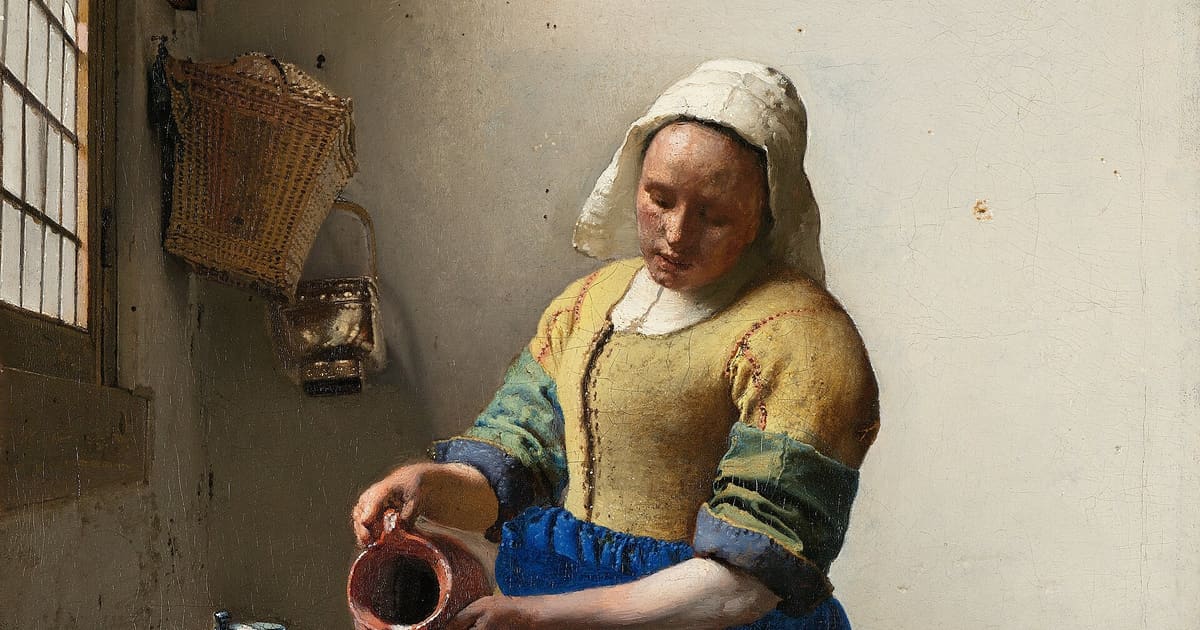
A wallflower heroine is a woman who spends most of a story at the edge of the room. She is shy, often overlooked by the people around her, and sure she belongs in the background, until something pushes her into the middle. Readers search for her as wallflower heroine books, shy heroine romance, or wallflower romance, and the appeal is in watching someone stop apologising for taking up space.
From the ballroom wall to the office corner
The term is usually traced to the ballroom, where women without a partner for a dance sat along the walls. Historical romance has used the image ever since, and many modern books keep it even when the story happens in an office, a school, or a small town.
The core idea outlives the ballroom: a quiet heroine who has been made to feel small, and whose growth is less about becoming someone new than about letting out the person she already is.
How a quiet woman ends up centre stage
The heroine starts out keeping her head down and her life small. A new person, a crisis, or a bold plan drags her into view. She has to speak up, make a choice in public, and face the people who have always overlooked her. The romance usually arrives as proof that she is seen, but the best books make clear that her confidence comes first.
The reader is often in on the joke. A wallflower tends to notice more than anyone expects, and the book rewards that attention with sharp observation and private humour.
Five heroines who stopped hiding
“Eliza and Her Monsters” is the modern take. Eliza Mirk is shy and friendless at school, but online she is the anonymous creator of a popular webcomic. When Wallace, a fan and fanfiction writer, transfers to her school, she begins to imagine a life offline. Then her secret identity is exposed. Francesca Zappia is funny about internet fame and honest about how hard it is to be seen.
“Say Yes to the Duke” is a Regency wallflower in full. Viola Astley is so painfully shy that her first London season feels like a trial. She dreams of a quiet vicar, but a compromising moment with the reclusive Duke of Wynter leaves her engaged to a man she barely knows. As she finds her voice, she discovers the duke is not the cold stranger society believes.
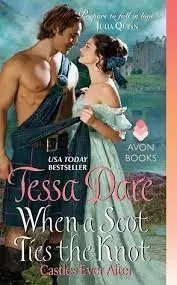
“The Wallflower Wager” sets a wallflower against a bargain. Lady Penelope Campion would rather stay home with her rescued animals than face London society. When her new neighbour, the ruthless businessman Gabriel Duke, demands she clear them out so he can sell his house, Penny strikes a deal: she will rehome them if he can find each one a loving home. Tessa Dare keeps the sparring brisk.
“Second First Impressions” is a quieter contemporary read. Ruthie Midona runs a retirement village and keeps her life small until the owner's tattooed, easy-going son, Teddy Prescott, is installed in an on-site cottage. Teddy has no plan and no filter, and his warmth slowly coaxes Ruthie out of the careful shell she built. Sally Thorne finds comedy in the village.
“The Blue Castle” is the classic. At twenty-nine, Valancy Stirling has spent her life under her family's thumb, unnoticed and unloved, and a shocking medical diagnosis gives her the courage to leave home and speak her mind. L. M. Montgomery wrote it in 1926, and it still reads as sharp and funny.
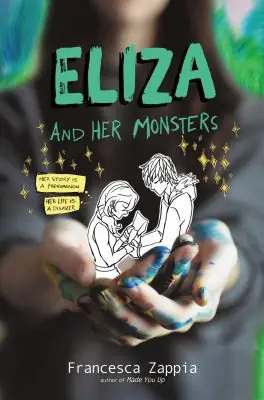
Eliza and Her Monsters
Francesca Zappia
2017
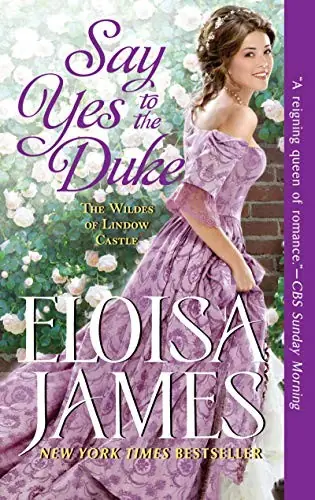
Say Yes to the Duke
Eloisa James
2020
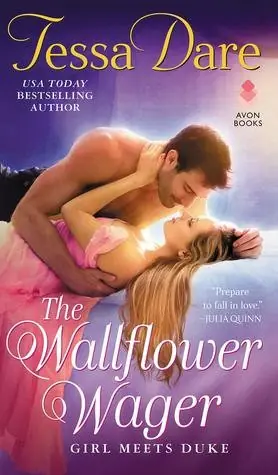
The Wallflower Wager
Tessa Dare
2019
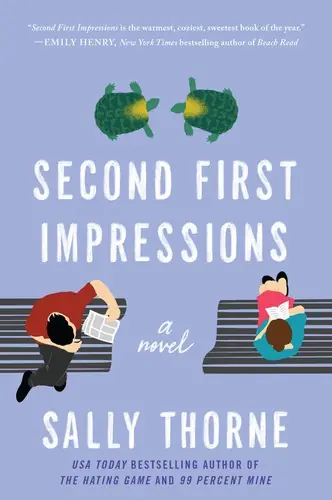
Second First Impressions
Sally Thorne
2021
The Blue Castle
L. M. Montgomery
1926
Outside the catalog, Jane Austen's Persuasion (1817) is the older model for the type. Anne Elliot is the overlooked middle daughter of a vain and extravagant family, and her restraint and quiet competence are what make her compelling.
When shyness becomes a problem for a man to solve
The common complaint is that the heroine's shyness is treated as something a man fixes. If the romance does all the work, the growth feels borrowed. The best wallflower stories give the heroine her own choices, plans, and voice, so the romance is a reward and not a rescue.
The other risk is a heroine who is shy only in name. If she is witty, quick, and fearless in every scene but the first, the label stops making sense. Look for books where the shyness costs something and shows up in real moments.
Where to start
For a playful romance, start with “The Wallflower Wager”. If you want a classic, “The Blue Castle” suits readers who like a heroine who changes her life in a single season, and Persuasion is the sharper-narrator option. “Eliza and Her Monsters” is a good bridge to modern settings.
Find books with the “Wallflower Heroine” trope
18 books in the catalog. Add and exclude tropes, filter by genre and year.
Open in search
Frequently asked questions
What does wallflower heroine mean in books?
It is a heroine who spends most of the story on the edges of a room, shy or overlooked, and gradually takes up space. The image comes from the old ballroom, where people without a dance partner sat along the walls.
Is a wallflower heroine the same as a shy heroine?
They overlap. A wallflower is usually shy and also overlooked by other people, and the story often turns on that second part. Some shy heroines are not overlooked at all, so check the blurb if you want the social side of the story.
Do wallflower heroines only appear in historical romance?
No. The type shows up in contemporary romance, young adult fiction and classics. The Regency ballroom is the best-known setting, but the same shyness works in a school, an office or a small town.
Which wallflower heroine book should I read first?
For a classic, try Persuasion. For a playful Regency romance, The Wallflower Wager is a good pick. Eliza and Her Monsters suits readers who want a shy heroine in a modern setting.