 Chosen One
The chosen one is a character marked by destiny, an old prophecy or a rare gift as the only person who can save the world or stop a great evil. Readers often search for the same idea as the destined hero, or as the one a whole story has been waiting for.
Why readers like it
The trope sets the stakes immediately. A farm boy, a servant or a schoolchild is told that everything depends on them, and the reader feels the weight before the first battle. It also gives an ordinary person a reason to stand at the center of a war, so the reader can watch huge events through familiar eyes.
There is a second pull. A chosen one often has no choice at all. Destiny hands them a task they never asked for, and deciding whether to carry it becomes the real story.
How the trope is built
Most chosen one books share a few moving parts:
- A sign of selection. A prophecy, a birthmark, a bloodline, an object only they can lift, or a power that wakes late.
- A call and a refusal. The character is told what they are and argues with it first.
- A guide. A mentor explains the world and the rules of the gift, sometimes while hiding part of the truth.
- A burden. The role costs something, and the book measures that cost.
Variations and close tropes
Writers rarely play it straight anymore. Some make the prophecy a lie, so the hero has to act without a guarantee. Others reveal that the chosen one is a mistake and that someone overlooked does the work. A few stories hand the role to a whole group instead of one person.
The idea sits beside several related ones. Prophecy supplies the words that select the hero. The reluctant hero refuses the role and is dragged into it anyway. A wise mentor usually trains them, and the arc often doubles as coming of age.
Chosen one books to try
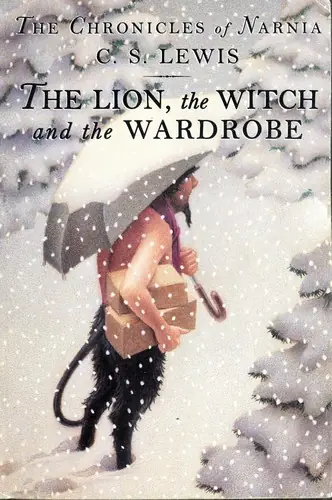
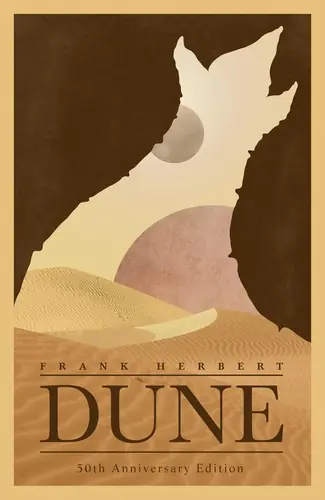
For the classic shape, “Dune” places Paul Atreides on the desert planet Arrakis, where a prophecy, an empire and a rebellion meet. “The Lion, the Witch and the Wardrobe” uses the same machinery for children: four siblings enter Narnia, and an old prophecy names the part they will play. “The Once and Future King” retells Arthur's boyhood, with Merlyn as the guide who turns a boy called Wart into a king.
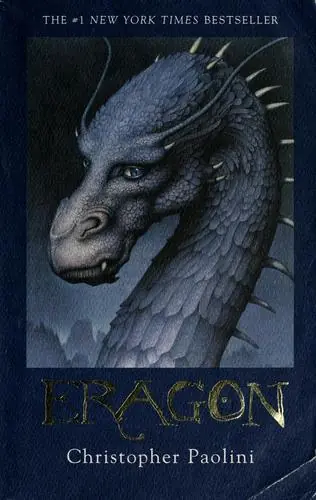
Other well-loved books lean on a special gift or a secret lineage. In “The Lightning Thief”, Percy Jackson learns he is a demigod and is blamed for a theft he did not commit. “Northern Lights” follows Lyra Belacqua north with a truth-telling instrument and a gift she does not yet understand. “Eragon” begins when a boy finds a polished stone that hatches into a dragon, and “Ender's Game” picks Ender Wiggin from a school of gifted children to command a fleet.
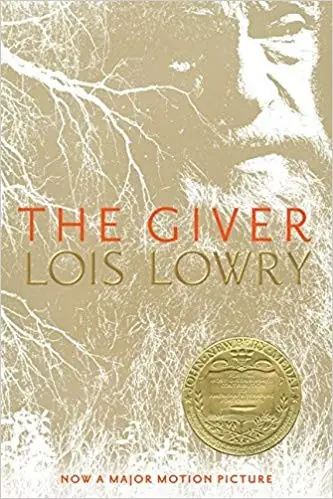
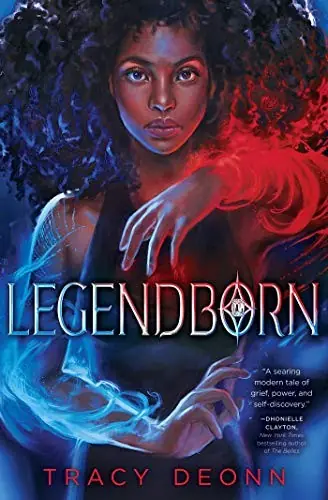
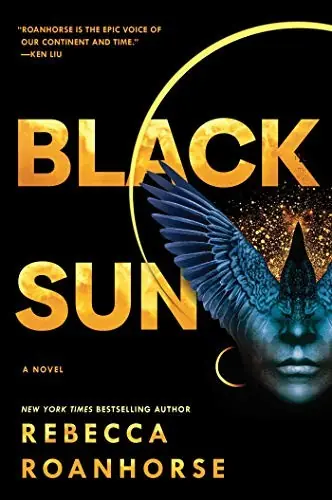
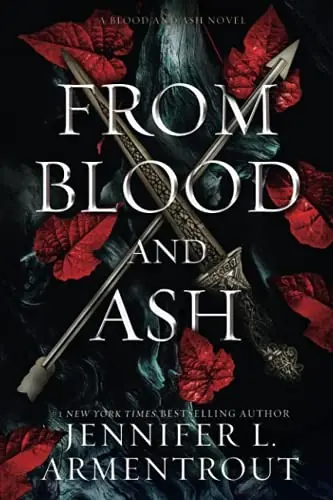
Some use the trope to ask who really gets to decide. “Mistborn: The Final Empire” trains a street thief named Vin in allomancy and then lets the prophecy around her look like a lie. “The Giver” chooses Jonas to hold the community's memories, a task presented as an honor and slowly shown to be something else. Among recent titles, “Legendborn” pulls Bree Matthews into a society descended from Arthur's knights, “From Blood and Ash” follows Poppy as she begins to doubt the gods and her own fate, and “Black Sun” builds toward a solar eclipse and a prophecy of a god reborn.
Outside the catalog, the clearest examples are Frodo Baggins in J. R. R. Tolkien's The Lord of the Rings, Luke Skywalker in Star Wars, Harry Potter, and Neo in The Matrix. The catalog also holds more:
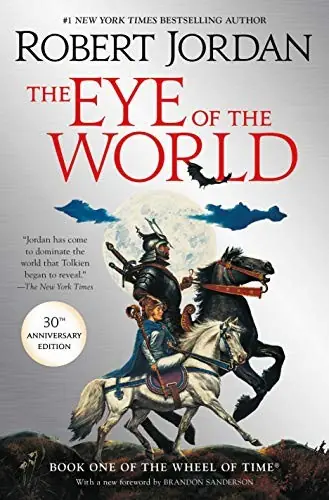
The Eye of the World
Robert Jordan
1990
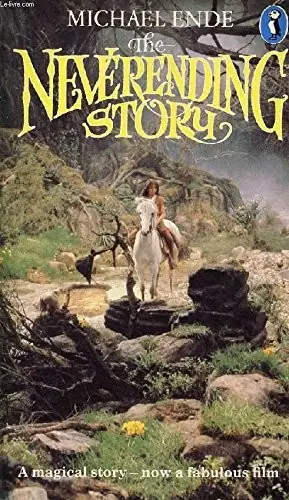
The Neverending Story
Michael Ende
1979
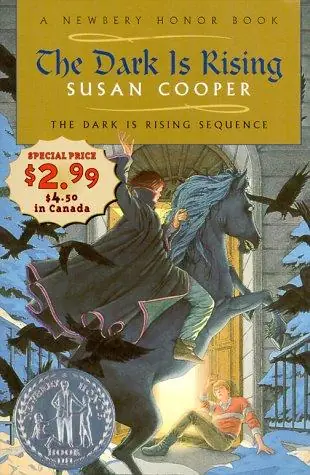
The Dark Is Rising
Susan Cooper
1973
Where it goes wrong
Readers who dislike the trope usually name the same problems. If destiny does the work, the hero stops choosing and the plot feels arranged in advance. A character told they are special from the first page can be less interesting than the friends around them. The farm-boy opening, the hidden royal blood and the prophecy that can mean anything are familiar enough that a straight version can feel lazy. The books that last give their chosen one a want beyond saving the world, and let them fail.
Where to start
If you want the trope at full strength, begin with “Dune”. For a faster, younger version, try “The Lightning Thief” or “Legendborn”. If you like seeing the idea questioned, “Mistborn: The Final Empire” is the safest next step.
Find books with the “Chosen One” trope
23 books in the catalog. Add and exclude tropes, filter by genre and year.
Open in search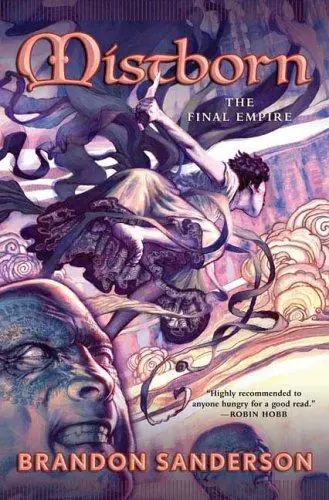
For the hero who resists the call, the reluctant hero article continues the thread.
Frequently asked questions
What does the chosen one mean in books?
It is a character marked by destiny, a prophecy or a rare gift as the only person able to save the world, defeat a great evil or change a kingdom. The story treats that role as the reason they matter to the plot.
What is the difference between the chosen one and a reluctant hero?
The chosen one is defined by fate or by outside selection. A reluctant hero may have no destiny at all: they want a quiet life but step up because nobody else will. The two often appear in the same book.
Why do some readers get tired of the trope?
When destiny solves everything, the hero stops making choices and the plot bends around them. Readers forgive the trope when the character still wants something of their own and is allowed to fail.
What should I read first?
Start with Dune for the classic version. Try Mistborn if you want the prophecy questioned, or Legendborn if you would rather have a modern setting.