 Coming of Age
A coming of age story follows a young character as they grow up through first love, mistakes and the search for a place in the world. Readers also search for it as growing up stories, bildungsroman or teen coming of age, and the trope covers everything from classic American novels to contemporary YA. The character is always changing, and the reader is meant to feel the change happen rather than be told about it.
The gap between who you are and who you will be
A coming of age plot is built around a gap between who the character is and who they are becoming. The gap can be small, like the first lie to a parent, or large, like a sudden loss that forces them to act like an adult. The reader is usually a step ahead, watching the character make choices that will matter later.
Good books respect the character's limits. A young narrator does not always understand what is happening, and the reader's sense of the wider world can be sharper than theirs. That distance is where much of the emotional energy comes from.
Setting shapes the change as well. A river, a small town and a school hallway put different pressures on a young person, and the adults who run the place decide what a child is allowed to know.
Classics that still feel close
Mark Twain's “Adventures of Huckleberry Finn” (1884) is one of the first coming of age novels many readers meet. A boy fleeing his abusive father travels down the Mississippi on a raft with a man escaping slavery. Along the way they meet swindlers and feuds, and Huck must decide what he believes.
“The Catcher in the Rye” (1951) is the other classic people remember. Expelled from prep school, Holden Caulfield drifts through New York for a few days before going home. He rails against adults he calls phonies while quietly grieving a brother. It is short and sharp, and many readers first meet it at about the age of its narrator.
S. E. Hinton's “The Outsiders” (1967) is a different kind of classic. Ponyboy Curtis is a greaser in a city divided between poor kids and the richer Socs. After a fight turns deadly, he begins to see the people around him beyond their labels. Many teenagers read it as a rite of passage.
First love and a modern voice
Contemporary coming of age novels often focus on first love and identity. “Eleanor & Park” follows Eleanor, the new girl on the bus with mismatched clothes and a chaotic home life, and Park, the quiet boy who lets her sit beside him. Their friendship grows through shared comics and mix tapes into a cautious first love, and the book does not soften what Eleanor goes home to.
“Simon vs. the Homo Sapiens Agenda” is lighter in tone but still serious about the stakes. Sixteen-year-old Simon is keeping two secrets: he is gay, and he is falling for an anonymous classmate online. When someone discovers his emails and threatens to expose him, he has to handle friends, family and first love, and the story is funny about how much teenage life is about being seen.
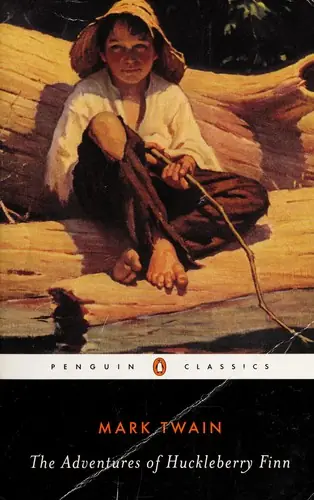
Adventures of Huckleberry Finn
Mark Twain
1884
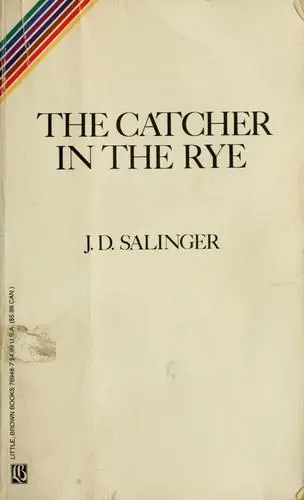
The Catcher in the Rye
J. D. Salinger
1951
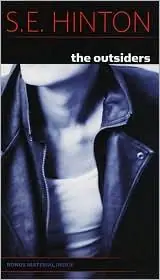
The Outsiders
S.E. Hinton
1967
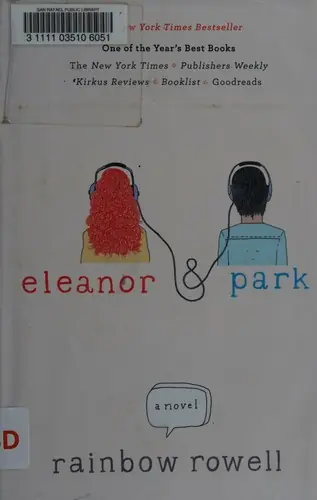
Eleanor & Park
Rainbow Rowell
2012
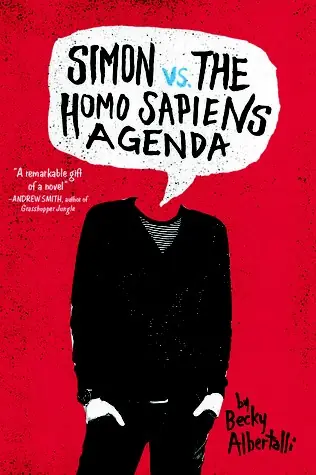
Simon vs. the Homo Sapiens Agenda
Becky Albertalli
2015
When the narrator sounds forty
The common complaint is an adult voice in a young character's mouth. When a teenage narrator sounds like a writer in their forties, the illusion of growing up breaks down and you start to feel the author behind every line. Read a sample to see whether the voice sounds its age.
The other problem is a change that happens too neatly. Growing up is messy, and a story that ends on a tidy lesson can feel false. The best books leave some questions open and let the character stay unsure at the close.
A third problem runs the other way. Some books treat adolescence as a series of traumas, every scene a new injury. Growing up also includes boredom, jokes and small pleasures, and books that leave those out read like case studies instead of lives.
Where to start
For a short, direct entry, “The Catcher in the Rye” is the classic first pick. For a modern story with a strong emotional core, try “Eleanor & Park”. If you want something warm and funny about being sixteen, “Simon vs. the Homo Sapiens Agenda” is an easy place to begin.
Want more stories about growing up?
204 books in the catalog. Add and exclude tropes, filter by genre and year.
Open in search
Frequently asked questions
What is a coming of age book?
It is a novel that follows a young character as they grow up, usually from childhood or adolescence toward adulthood. The story tracks how they change through relationships, mistakes, and the discovery of who they want to be.
Is coming of age the same as bildungsroman?
Largely, yes. Bildungsroman is the formal German term for a novel of formation, and it is often used in literary criticism. Coming of age is the everyday phrase, and it is the one most readers search for.
Are coming of age books only for teenagers?
No. The trope is most common in young adult fiction, but many adult novels follow the same arc, and some classics are read by adults who return to them years later. What matters is where the character is in life, not how old the reader is.
Which coming of age book should I read first?
For a short, sharp classic, try The Catcher in the Rye. For a modern and emotionally direct story, Eleanor and Park is a good pick, and Simon vs. the Homo Sapiens Agenda is a warm choice if you want a lighter tone.