 Outcast Hero
An outcast hero is a protagonist who is already rejected by their society and lives on its margins, looking for a place to belong. Readers also search for it as an outcast trope, a social outcast, or a loner protagonist, and it appears in fantasy, literary fiction, and YA. The rejection is in place before the first page, and the story is about how the character copes with it.
Why we side with the one left out
Most readers have felt excluded at some point, even briefly. An outcast hero gives that feeling a shape, and it is satisfying to watch a character refuse to shrink. The reader sees the cruelty of the group from outside, and the outsider's view often turns out to be the clearest in the book.
There is a practical appeal too. An outcast has less to lose. With no reputation to protect and no role to play, the character can say what they think, make odd choices, and notice what the insiders have stopped seeing.
What the exile does to the plot
Most outcast stories begin with a fixed reason for exclusion: a family disgrace, a mark on the body, a crime the character did not commit, a talent the community distrusts. The plot then tests that exclusion, usually through a new relationship, a sudden role, or a crisis that forces the group to look at the outsider again.
Setting decides how visible the exclusion is. In a small town everyone knows the reason and repeats it. In a city the outsider can hide in plain sight, and the threat is less hatred than being overlooked. The first leans on gossip, the second on loneliness, and a reader feels each differently.
The strongest versions do not treat rejection as a checklist. The outsider needs interests, humour, and a clear view of what they want from the people who turned them away.
Exiles of myth and of court
Madeline Miller's “Circe” starts with a sun god's daughter banished to a lonely island for her forbidden magic. She hones her craft, meets travellers and monsters, and slowly chooses what kind of immortal she wants to be. The exile is where her story starts, not where it ends.
“The Goblin Emperor” is gentler in tone. Maia, the exiled half-goblin youngest son, is unwanted and forgotten until an airship crash makes him emperor. He arrives at a hostile court with few allies and has to learn whom to trust while trying to rule with kindness. Katherine Addison treats his outsider status as both a political fact and a personal wound.
Misfits in ordinary places
Some of the best outcast novels are set in ordinary places. “Convenience Store Woman” follows Keiko, who has worked at the same Tokyo convenience store for eighteen years and is content there. Then the people around her begin pressuring her to want a normal life, and she tries to perform one by staging a relationship she does not want. Sayaka Murata is deadpan and sharp about it.
“Where the Crawdads Sing” is a different kind of outcast story. Abandoned by her family as a child, Kya grows up alone in a North Carolina marsh, shunned by the nearby town as the Marsh Girl. She teaches herself to survive on the land, and the book is as much about the marsh as about the people who judge her.
“Speak” brings the trope into high school. Melinda begins as an outcast after calling the police at a summer party, and barely speaks. Laurie Halse Anderson follows her through art class and small moments as she slowly finds the words to name what happened to her.
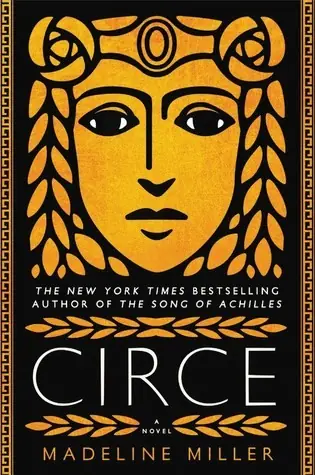
Circe
Madeline Miller
2018
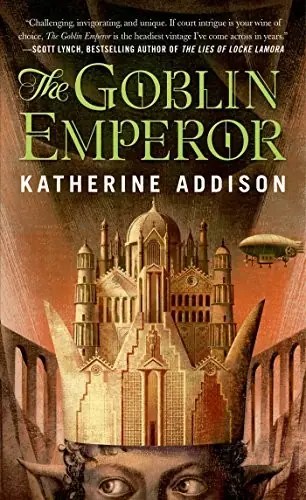
The Goblin Emperor
Katherine Addison
2014
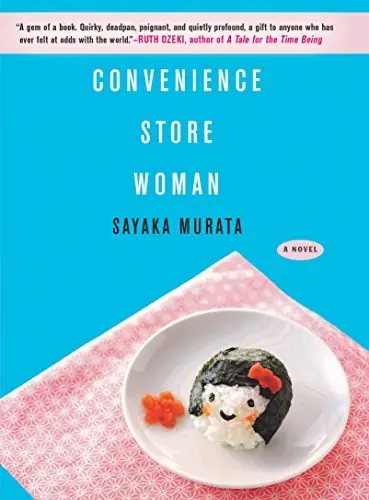
Convenience Store Woman
Sayaka Murata
2016
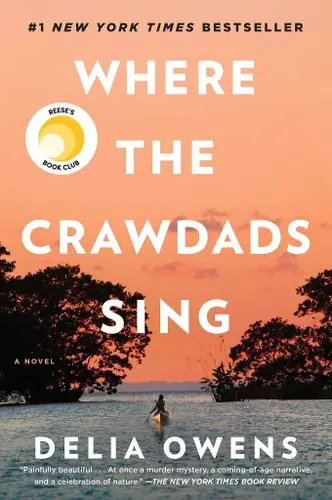
Where the Crawdads Sing
Delia Owens
2018
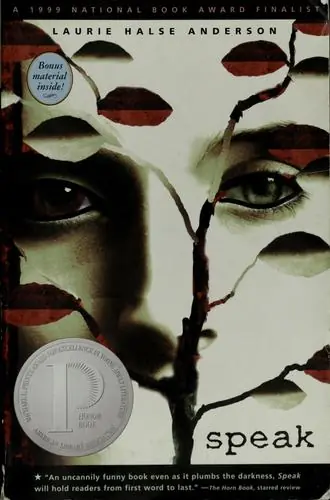
Speak
Laurie Halse Anderson
1999
When the outsider is just a bundle of wounds
The main risk is sympathy by suffering. If a story piles on hardship only to make the reader feel for the outcast, the character becomes a prop. Look for books where the protagonist has opinions and some say in events, not only injuries.
Another problem is redemption that erases the outsider. Some books end by making the outcast acceptable to the group, which quietly argues that the group was right to exclude them. The better endings let the outsider keep their edges, even if the community changes a little.
Pick your kind of loneliness
For a fantasy with a warm pace, “The Goblin Emperor” is the easiest first step. If you prefer a mythic voice, try “Circe”. For a short contemporary read with a dry narrator, start with “Convenience Store Woman”.
Looking for more outsiders?
68 books in the catalog. Add and exclude tropes, filter by genre and year.
Open in search
Frequently asked questions
What is an outcast hero in books?
It is a protagonist who starts the story already pushed out by their family, town, court, or society. They live on the edges, and the plot follows how they survive there and whether they find somewhere to belong.
How is an outcast hero different from an underdog?
An underdog is usually fighting for a goal against stronger rivals. An outcast is defined by exclusion, so the story often asks what community is, and whether the outcast wants to be let in at all.
Do outcast hero books always have a happy ending?
No. Some end with the outcast accepted, others with a quieter peace on their own terms, and some with real loss. The best ones make the ending feel true to the character rather than simply comforting.
Which outcast hero book should I read first?
For a fantasy option with a gentle pace, try The Goblin Emperor. For a contemporary novel with a sharp, funny voice, Convenience Store Woman is a short and effective read.