 Creeping Dread
Creeping dread is horror that builds a quiet sense that something is terribly wrong, without relying on jump scares or gore. Readers also search for it as slow horror, quiet horror or a sense of dread, and it often overlaps with psychological horror. The fear arrives gradually, through small details that do not quite add up, until the reader realises the story has been frightening them for pages.
Why quiet horror lingers
Loud horror ends when the scene ends. Creeping dread tends to stay for days, because it asks the reader to keep working on what they noticed. A door left open, a neighbour who stops answering, a child who says something odd at dinner: each detail is small enough to dismiss, and that is the point.
There is also a pleasure in being ahead of the characters. A good reader senses that something is wrong before the protagonist admits it, and the gap between what the reader knows and what the character is willing to see becomes the engine of the book.
How the dread builds
Most creeping horror follows a steady pattern. The setting is ordinary: a family house, a village, a remote island. Something small is out of place and the protagonist explains it away. Then another detail arrives and the explanations start to fail. Eventually the pattern cannot be ignored, and unease turns into confrontation.
What separates the strong versions from the weak is restraint. The book has to withhold, and the reader has to trust that the withholding is deliberate, not lazy.
Sound and routine do much of the work. A floorboard that creaks only when the protagonist is alone, a radio that plays the same song twice or a dog that will not enter one room are stock images in a weaker book. In a better one the author lingers just long enough for them to feel specific, and you start keeping a private list of what is wrong.
Houses and villages that look back
Shirley Jackson's “The Haunting of Hill House” (1959) is the standard example. An investigator of psychic phenomena invites several people to stay at a house with a long history of death and madness. The fragile Eleanor is the one the house begins to single out, and the stay becomes a struggle to keep hold of sanity.
“The Plague Stones” moves the fear to the countryside. After a break-in, a London couple moves with their son to a remote village where Tricia has inherited a house. Old stones around the village once marked the boundary beyond which plague victims could not pass, and each year the trustees renew it with a ceremony. When the family breaks the custom, the village learns what the boundary was holding back.
Grief, motherhood and the strange
Some of the most unsettling recent books take their dread from private life. “Starve Acre” follows Richard and Juliette on a Yorkshire Dales smallholding, grieving the sudden death of their five-year-old son. Richard digs the barren field opposite the house for an oak remembered in local stories, while Juliette, convinced the boy is still near, turns to a group of occultists.
“The Push” is built around a new mother who is certain something is wrong with her daughter, while everyone insists she is imagining it. Told across three generations of women, it makes the question of whose account to trust its real horror.
“Annihilation” is stranger than it is frightening in the usual sense. Four women cross into Area X, a coastal region sealed off for decades, to survey it as the twelfth expedition. The biologist records the abandoned bunker, the writing on its walls and animals that seem almost aware, and she knows her husband went in before her and came back changed.
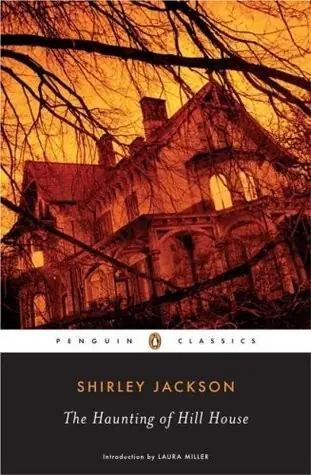
The Haunting of Hill House
Shirley Jackson
1959
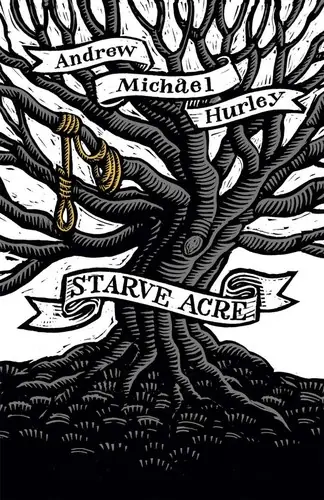
Starve Acre
Andrew Michael Hurley
2019
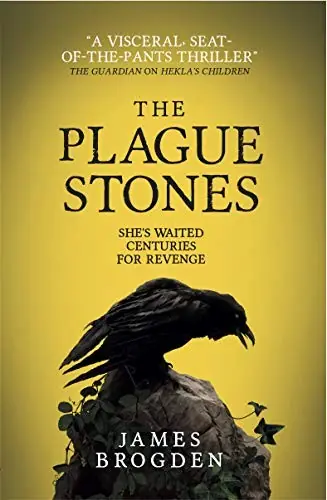
The Plague Stones
James Brogden
2019
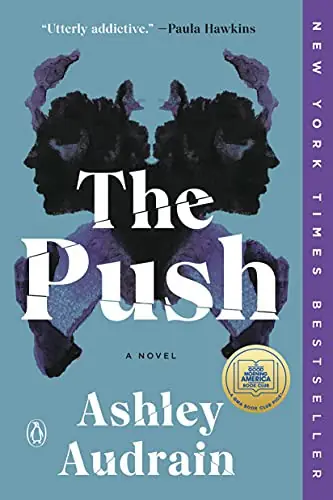
The Push
Ashley Audrain
2021
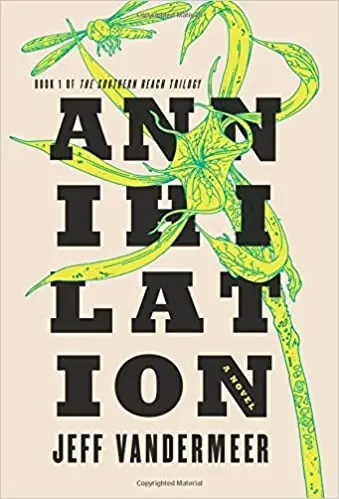
Annihilation
Jeff VanderMeer
2014
When nothing happens for too long
The most common complaint is that nothing happens for too long. Creeping dread depends on patience, and readers who want a clear threat early may find the first act frustrating. Read a sample and see whether the pace suits you.
The other risk is an explanation that deflates everything. If the last chapters lay out exactly what caused the wrongness, the earlier unease can feel like a trick. The best books leave room for interpretation.
Where to start
For the classic, begin with “The Haunting of Hill House”. For a modern pick with a strong sense of place, “Starve Acre” is a good choice. If you prefer strangeness to ghosts, “Annihilation” is a rewarding next step.
Want more horror that builds slowly?
90 books in the catalog. Add and exclude tropes, filter by genre and year.
Open in search
Frequently asked questions
What is creeping dread in books?
It is horror that works through atmosphere and unease rather than sudden shocks. The reader feels that something is off long before the book says what it is, and the fear grows out of small wrong details.
Is creeping dread the same as psychological horror?
They overlap a lot. Psychological horror focuses on the mind, while creeping dread focuses on the slow build of wrongness, which can be inside a character's head or out in the world. Many books sit in both camps.
Do creeping dread books have to be scary?
Scary is a matter of taste. Many readers find these books more unsettling than frightening, because the story leaves them uneasy for days rather than startling them. If you want quick thrills, a slow-burn book may not suit you.
Which creeping dread book should I read first?
For a classic, try The Haunting of Hill House. For a modern take with a strong sense of place, Starve Acre is a good choice, and Annihilation is a strong option if you like strange, unexplained settings.