 Dark Fantasy
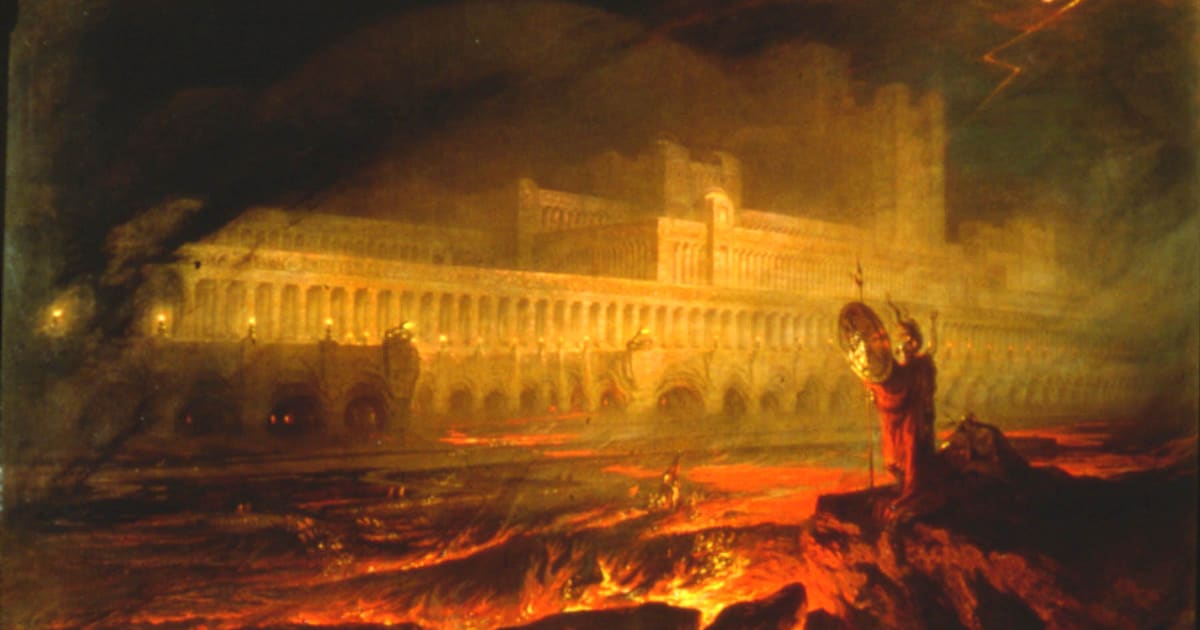
Dark fantasy is fantasy set in a bleak world, where good and evil are rarely clean and magic always costs something. Readers also search for it as grim fantasy, dark magic fantasy or grimdark, and the trope runs from epic stories about empires and wars to smaller ones about thieves and outcasts. The darkness is not decoration. It comes from the world itself and shapes every choice the characters make.
A world with a debt
A dark fantasy setting usually has a clear sense of what is wrong. Empires oppress their people, gods have failed, or a few powerful people feed on everyone else. Magic here is seldom a gift. It is a tool with a price, often paid in blood, memory or someone else's life.
That changes how you read. In brighter fantasy a magic sword solves the problem. In a dark one the sword is the problem, and you start wondering who will pay for it.
Setting also decides whose story it is. These worlds are often built around a caste of people used by everyone else, and the most interesting books put you inside it. A character who is useful only as a weapon, a servant or a bargaining chip sees the rules of the world from underneath, and that view is usually more honest than a royal court's.
Heroes with dirty hands
The protagonists of dark fantasy tend to be compromised. They have done things they regret, or they are asked to do things that make them uncomfortable. That is why the trope overlaps so much with morally grey character and the villain protagonist tradition, where the central character is someone you might not want as a friend.
A hero who wins by making hard decisions feels more real than one who is simply good, and a story that asks you to root for someone flawed tends to stick.
Books with a hard edge
N. K. Jemisin's “The Fifth Season” is a strong starting point. In a land torn by earthquakes and ash, orogenes can still the earth but are enslaved for it. Three women, a mother, a daughter and a student, move through a broken world as a new catastrophe begins, and their stories converge on what caused it.
R. F. Kuang's “The Poppy War” begins at a school and turns into a war novel. Rin, a war orphan from the impoverished south, tests into the empire's elite military academy and discovers a shamanic power tied to the gods. When war with the Federation erupts she is forced to use it, and the cost turns out to be monstrous.
“Uprooted” is darker than its fairy-tale opening suggests. Every ten years the wizard known as the Dragon takes one girl from Agnieszka's valley. When he chooses her instead of her best friend, she is carried to his tower, where she finds a talent for magic and the corrupted Wood that threatens them all.
“Black Sun” is epic in scale. A solar eclipse is coming to the city of Tova, along with an old prophecy of a god reborn. Xiala, a disgraced sea captain, is ordered to carry a strange young man to the city, while he has been shaped since childhood for a ceremony he does not fully understand.
“The Blacktongue Thief” is lighter in tone, though still dark in its details. Kinch owes his guild of thieves more than he can ever pay, so he tags along with a scarred knight to find women taken by goblins, through a world of old wars, hungry gods and creatures that would happily eat a thief.
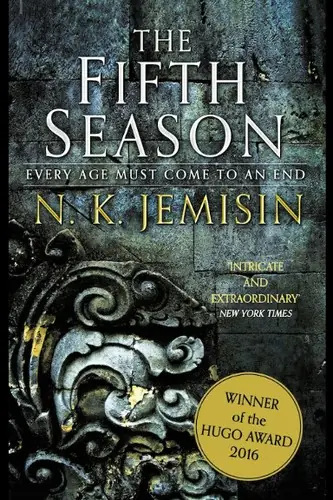
The Fifth Season
N. K. Jemisin
2015
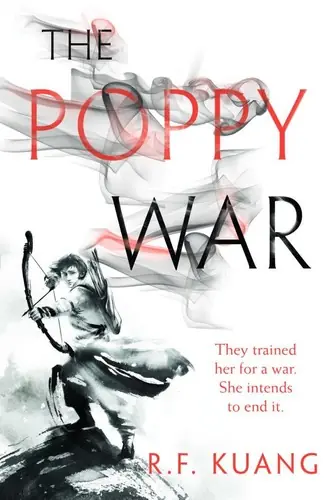
The Poppy War
R. F. Kuang
2018
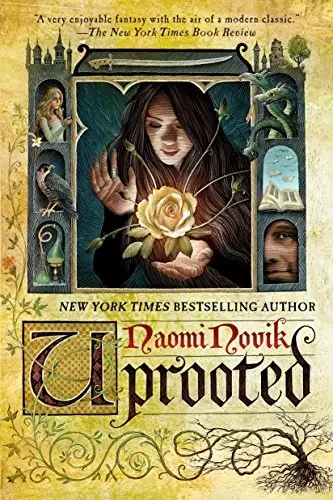
Uprooted
Naomi Novik
2015
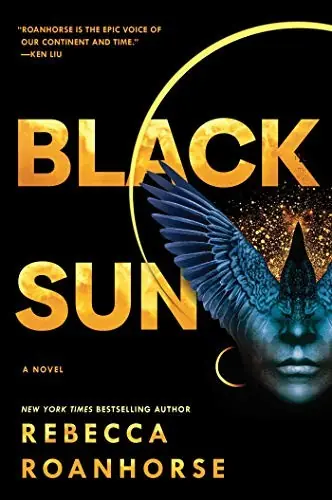
Black Sun
Rebecca Roanhorse
2020
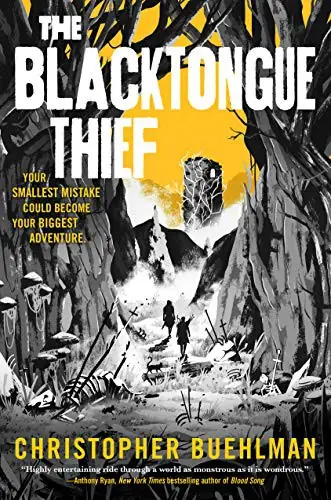
The Blacktongue Thief
Christopher Buehlman
2021
When the gloom wears thin
The most common complaint is repetition. A world where everyone suffers can start to feel flat if every chapter brings a new atrocity. Books that give the reader moments of warmth, humour or real friendship make the cruelty land harder when it arrives.
A second issue is scale. Many dark fantasy novels belong to long series with dense politics, and readers who want a self-contained story may find the setup heavy. Check whether the first book stands on its own before committing to a trilogy.
The third is grimness as a substitute for ideas. A book can be bleak and still have something to say about power, faith or what people owe one another. When the darkness is only a mood, the story feels empty by the middle.
Where to start
For a strong entry point, try “The Fifth Season”, whose world is detailed enough to reward slow reading. If you like a war story with a school opening, “The Poppy War” is a good pick. For a thief's-eye view with some dark humour, “The Blacktongue Thief” is an easy way in.
Want more fantasy with a hard edge?
47 books in the catalog. Add and exclude tropes, filter by genre and year.
Open in search
Frequently asked questions
What is dark fantasy in books?
It is fantasy set in a harsh world, where war, oppression, or ruin shape daily life and magic is rarely a free gift. The genre is about consequences more than spectacle, and its heroes are usually compromised.
How is dark fantasy different from grimdark?
The two overlap heavily. Grimdark usually refers to the bleakest end of the spectrum, with brutal violence and little hope. Dark fantasy is the wider label and includes books that are bleak but still warm in places.
Are dark fantasy books only for adults?
No. Many dark fantasy novels are written for adults, but a growing number are YA or new adult. Check the age recommendation on the listing, because the violence and themes differ a lot from book to book.
Which dark fantasy book should I read first?
For a strong starting point, try The Fifth Season. For a more traditional war story with a sharp focus, The Poppy War is a good choice.