 Dark Romance
Dark romance is a branch of romance fiction in which the love story runs on danger, obsession, and a real imbalance of power between the leads. The characters drawn to each other are often criminals, antiheroes, or damaged people, and the darkness lives inside the relationship rather than staying in the background. Readers who search for dark romance books want that intensity, and they accept that the road to the ending may be rough.
Why readers are drawn to dark romance
The appeal starts with intensity. When the love interest is dangerous or forbidden, every scene carries weight: a look, a favour, or a threat can all mean something at once. The attraction is not gentle, and readers often describe the satisfaction of a feeling that is impossible to ignore.
The antihero does much of the work. A morally grey lead is never asked to become good; instead the reader watches someone capable of harm choose, slowly, to protect one person. Many books still keep the genre's central promise and end with the couple together, however dark the route.
What a dark romance novel usually contains
A few ingredients return again and again. The love interest is often powerful and possessive, and willing to act outside the law. The relationship may begin with a capture, a debt, a forced marriage, or a bargain, which gives one character more control than the other. Obsession, jealousy, revenge, and old trauma supply the emotional pressure, and the sexual content is frequently explicit.
The setting leans toward the shadowy: mafia families, closed towns, gothic houses, and supernatural courts. Consent is often complicated or openly questioned, and some books treat violence or restraint as part of the dynamic. Dark romance therefore tends to arrive with content warnings.
Variations and nearby tropes
Dark romance is a label, not a single plot. In contemporary books it most often means mafia or organised-crime romance, or stories built on captivity and revenge, which sit close to enemies to lovers and revenge. Paranormal and gothic versions use vampires, immortal warriors, and old houses; recent romantasy brings the same darker tone to fantasy courts through romantasy. Most versions borrow forbidden love, forced proximity, and a dangerously morally grey character lead.
It helps to separate dark romance from two neighbours. dark fantasy and grimdark can be bleak and violent, but they do not promise a love story; the romance may be absent or doomed. In dark romance the relationship is the point. That also separates it from a standard slow burn, which is about patience rather than danger.
Dark romance books to start with
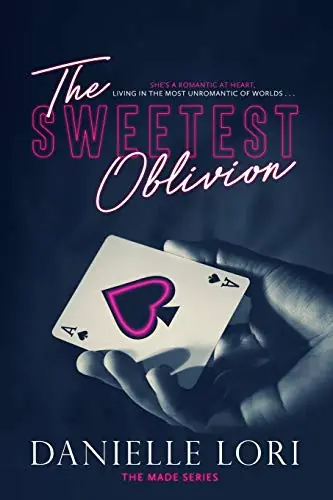
The catalog's clearest contemporary entry is “Corrupt” by Penelope Douglas, where a group of wealthy students turn revenge into a game and the heroine refuses to leave. “The Sweetest Oblivion” by Danielle Lori moves the same tension into a mafia world: Elena is promised to Nicolas Russo, a cold man she dislikes, and the arranged tie slowly becomes something else.
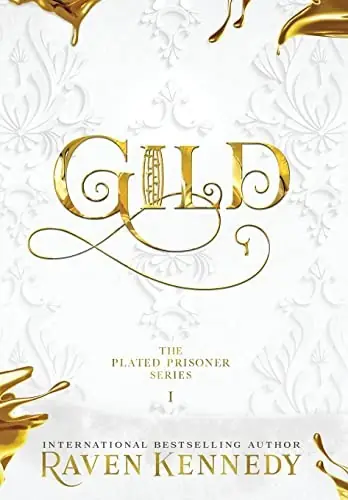
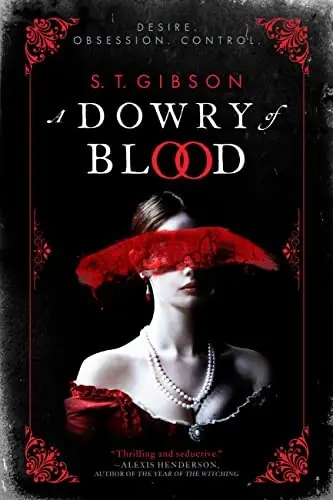
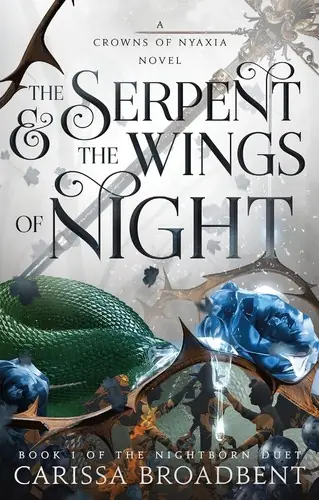
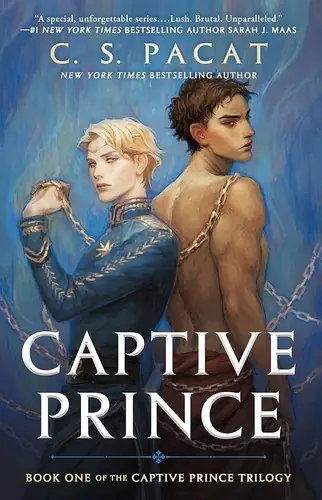
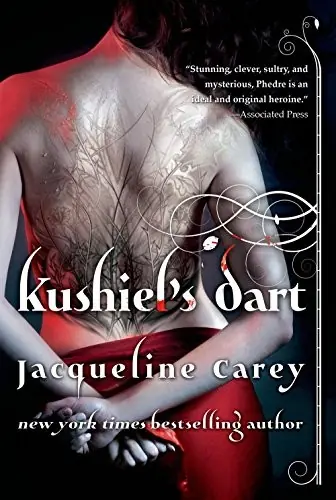
For fantasy, “Gild” by Raven Kennedy keeps its heroine in a golden cage under a controlling king, while “A Dowry of Blood” by S.T. Gibson turns a vampire marriage into a slow account of abuse and escape. “The Serpent and the Wings of Night” by Carissa Broadbent lifts the mood into a deadly tournament, and “Captive Prince” by C.S. Pacat and “Kushiel's Dart” by Jacqueline Carey show how far the power in a relationship can tilt.
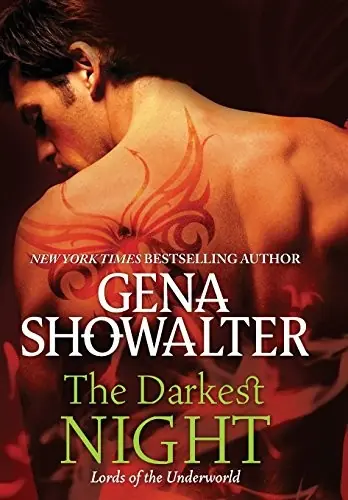
The subgenre has an older paranormal strand too.
belong to that early-2000s wave of vampire and immortal romances, where the hero is a warrior with a violent past and the love story is inseparable from the danger around him.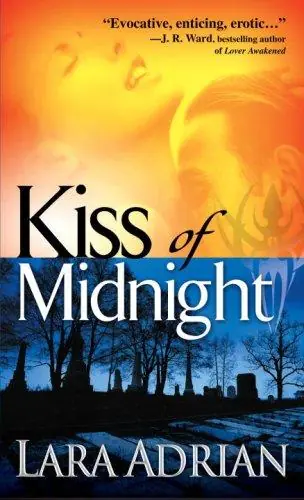
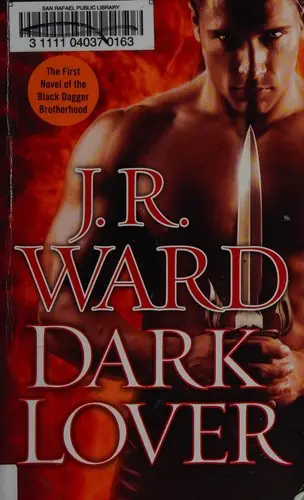
Outside the catalog, "Haunting Adeline" by H. D. Carlton is often named as the darkest end of the subgenre, and "Captive in the Dark" by C. J. Roberts is a long-standing example of the captive storyline.
What some readers dislike
The most common objection is consent. When a character is coerced or harmed and the book frames it as romance, some readers find it uncomfortable rather than thrilling. Others object to trauma used as decoration, where serious events leave no mark on the people involved.
There are quieter problems as well. The label is applied loosely, so a book sold as dark romance may turn out to be an ordinary romance with a rude hero and little else. Possessiveness can replace characterisation, and a series may end each volume on a cliffhanger. Read the description, the content notes, and a few reviews before you commit.
How to choose your first dark romance
Decide how dark you want the story to be and pick the setting that appeals to you. If you like crime and wealth, start with mafia or elite-school romance. If you prefer distance from real life, try the vampire and gothic titles. If you want the darker tone inside a fantasy world, look at romantasy. Check content notes when you are unsure, and remember that slow, well-built tension is usually more rewarding than shock for its own sake.
Looking for dark romance without a love triangle?
6 books in the catalog. Add and exclude tropes, filter by genre and year.
Search without “love triangle”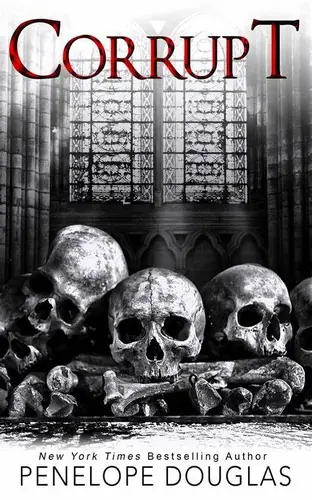
Seen this way, dark romance is less a single plot than a mood: a love story that refuses to pretend the people in it are safe or simple, and that asks the reader to enjoy the danger from a distance.
Frequently asked questions
What does dark romance mean in books?
Dark romance is a subgenre of romance built around danger, obsession, and a power imbalance between the leads. The love interest is often a morally grey or criminal character, and themes such as captivity, revenge, or coercion shape the relationship itself rather than only the plot around it.
Is dark romance the same as dark fantasy?
No. Dark fantasy can be bleak and violent without promising a love story. In dark romance the relationship is central and the dark themes exist to drive it, so the two overlap but are not the same.
Does dark romance have a happy ending?
Most books marketed as romance keep the genre's promise and end with the couple together, often after a difficult route. Some series leave that resolution to a later volume, and some fantasy that borrows the tone ends differently, so check the book's own genre.
What should I read first?
For a contemporary start, try Corrupt by Penelope Douglas or The Sweetest Oblivion by Danielle Lori. For fantasy, pick Gild by Raven Kennedy or A Dowry of Blood by S.T. Gibson. For an earlier paranormal romance, begin with Dark Lover by J. R. Ward.