 Dragons
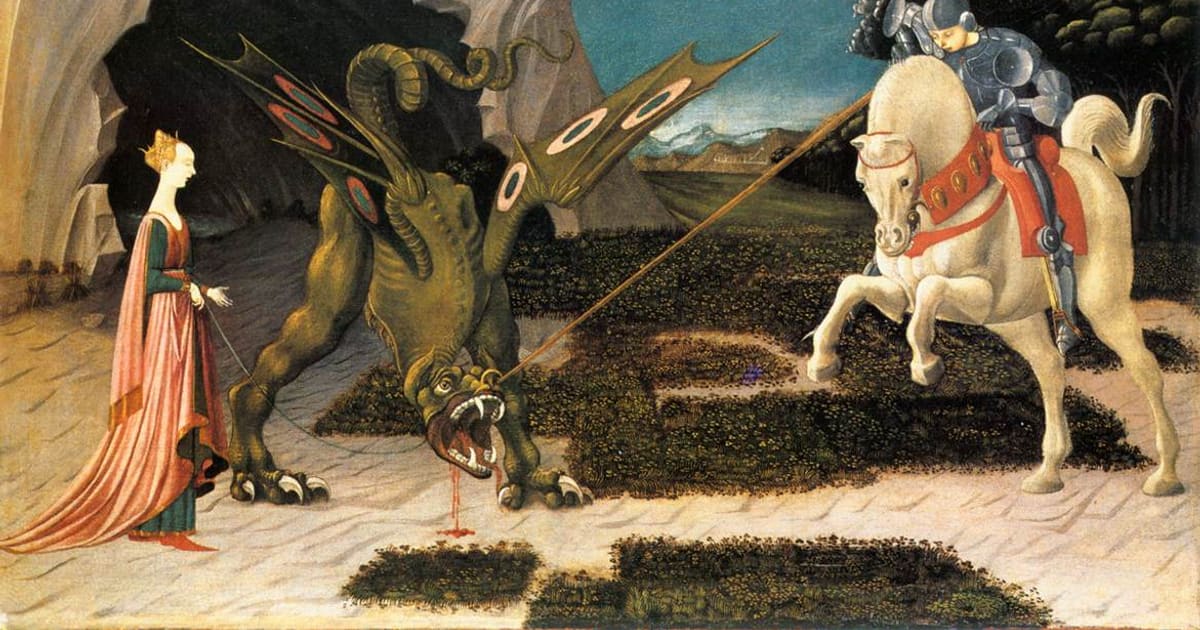
In a good dragon book, the dragon is never just a large animal waiting in a cave to be slain. Dragons have opinions, histories and sometimes plans of their own, and the human characters have to deal with them as allies, rivals or threats. The dragons trope, which readers also search as dragon books, dragon riders or dragon fantasy, covers all of those roles.
Partners and problems
The appeal is scale. A dragon brings power, speed and a danger no human can match, and that gap is what makes the story work. A character who bonds with a dragon gains something that changes their life, and a character who is threatened by one has to find a way through a much bigger problem.
Dragons also make good mirrors. A bond between rider and dragon is a way to explore loyalty, fear and who gets to decide what a powerful creature does. In many books the dragon is as much a character as the human beside it, and the friction between them does real emotional work.
What the stories usually share
Most dragon books follow a few patterns: a human who is unsuited to the role or unwanted by the people around them, a dragon that chooses or refuses that human, a training period more brutal than anyone admits, and a political or military threat that makes the bond matter.
The training ground often becomes the place where the rules of the world show most clearly, which is why some dragon books overlap with the magic academy trope.
Books where the dragons carry weight
“Fourth Wing” is the modern favourite. Violet Sorrengail expected a quiet life among books, not the deadly rider quadrant where cadets die and dragons choose their own riders. Thin and untrained, she survives on wit alone, and her greatest threat is Xaden Riorson, a ruthless wing leader whose attention she never wanted.
“The Priory of the Orange Tree” is slower and larger. In the East, Queen Sabran must keep the line of Berethnet alive to hold back the Nameless One. In the West the mage Ead secretly guards her, and in the South a dragon rider's daughter grows up in hiding. Readers who like epic scope will enjoy the way the story keeps widening.
“The Last Namsara” is more compact. Asha is the Iskari, a dragon slayer raised by a harsh king to atone for the night her mother died. When the dragons offer her another way, everything she was raised to believe starts to break apart. It is the first book of a duology.
“Dragonflight” is the classic. Lessa hides as a drudge in the hold that was stolen from her family, waiting for a chance to reclaim it. When dragonriders visit, she impresses the golden queen Ramoth and becomes a weyrwoman, and with deadly Thread falling from the sky she and the rider F'lar must find a way to save their world. The pacing feels old now, but the premise still works.
“Eragon” is the coming-of-age version. Eragon finds a polished blue stone in the mountains, and it hatches into a dragon. Hunted by the king's servants, he must leave his village to learn the ways of the Dragon Riders. Readers either love its earnest energy or find it a little too familiar.
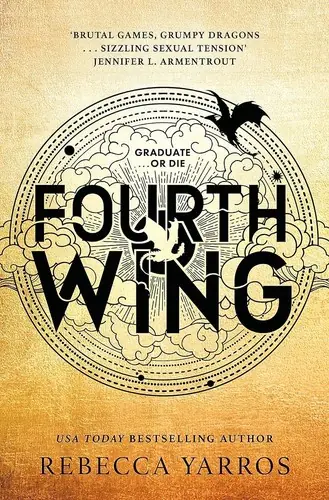
Fourth Wing
Rebecca Yarros
2023
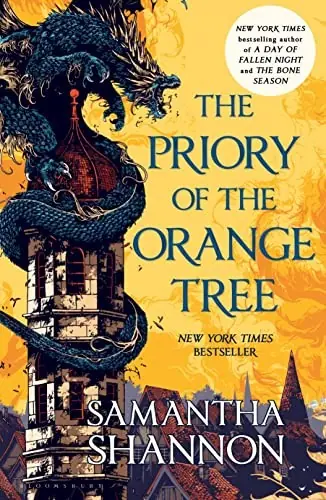
The Priory of the Orange Tree
Samantha Shannon
2019
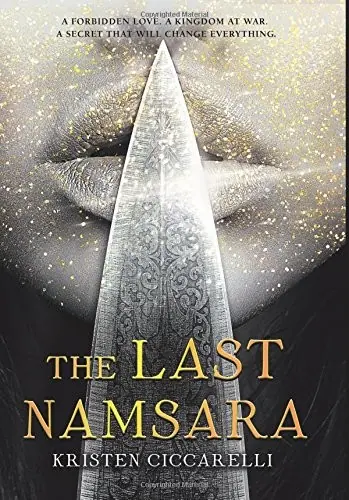
The Last Namsara
Kristen Ciccarelli
2017
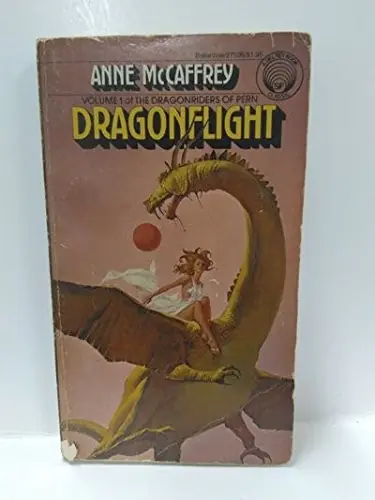
Dragonflight
Anne McCaffrey
1968
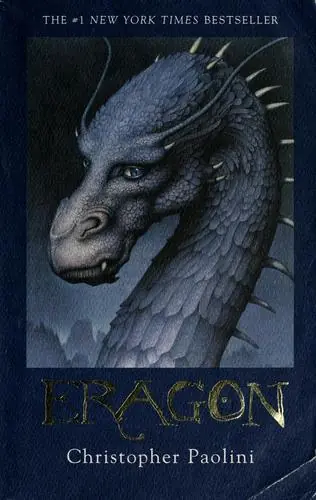
Eragon
Christopher Paolini
2002
Outside the catalog, Naomi Novik's His Majesty's Dragon (2006) puts dragons into the Napoleonic wars. Will Laurence, a naval captain, takes charge of a dragon egg and bonds with Temeraire when it hatches, which turns a sea story into an air one. It suits readers who want dragons with a historical tone.
When the dragon is just a weapon
The most common complaint is the dragon as a convenient weapon. If a creature can solve any problem in one breath, the tension disappears and the dragon becomes a plot device. Books that give dragons limits, needs and politics of their own usually feel more alive.
Pacing is the second problem. Dragon series tend to run long, and some middle books spend pages on training while the main threat waits offstage. If a series has many volumes, check how the early ones end before committing.
Where to start
Start with “Fourth Wing” for a modern, romance-heavy story set in a war college. If you want a classic, try “Dragonflight”. For a shorter, more self-contained adventure, “The Last Namsara” is a good first step, and “Eragon” suits readers who like a young hero on a long road.
Find books with the “Dragons” trope
13 books in the catalog. Add and exclude tropes, filter by genre and year.
Open in search
Frequently asked questions
What does dragons mean in books?
It refers to stories where dragons are powerful beings that play a real part in the plot. They can be partners who bond with a human, rivals who hunt people, or ancient forces that shape the world, and they are rarely just a monster in the corner.
What are dragon riders books?
They are a common subset of the trope in which humans bond with dragons and fly them into battle or training. The rider's life, the bond and the politics around the dragons are usually the main focus.
Do dragon books have to be fantasy?
Most are, but a few are alternate history. Dragon stories can also sit in a historical setting with a fictional twist, so check the blurb for the setting if you have a specific time period in mind.
Which dragon book should I read first?
For a modern pick with romance and a war college, try Fourth Wing. For a classic with a deep world, start with Dragonflight. For a shorter, more self-contained story, try The Last Namsara.