 Dual Identity
A dual identity story is one in which a character hides a second self or lives two opposite lives. Readers also search for it as a secret identity, a double life or a Jekyll and Hyde plot, and the trope runs through Victorian horror, crime fiction, romance and YA. The secret is the engine: every conversation becomes a small test of whether the mask will hold.
The pleasure of the mask
Readers like to watch someone manage the gap between who they appear to be and who they are. Each scene has two layers, the one other characters see and the one the reader knows. That double vision creates steady tension and lets the author play with what we trust.
There is a quieter pleasure in recognition. Most people keep some version of a second self, whether a work persona, a private online life or a childhood name nobody uses. A good dual identity book takes that ordinary habit and pushes it until the costs show.
How the split usually works
Most versions have three parts. The character has a reason to hide something: a past crime, a dangerous impulse, a family secret, or a wish to be someone else. The hidden self then begins to leak, through a slip, a witness or a change in mood. Finally the cost arrives, and the character must choose between keeping the mask and telling the truth.
The strongest books make the hidden self feel like a real person, not a costume. You should want to know what it wants, not only what it does.
Doctors, detectives and their doubles
Robert Louis Stevenson's “Strange Case of Dr Jekyll and Mr Hyde” (1886) is still the blueprint. A respected London doctor is oddly close to a violent, mysterious man named Hyde. When a friend investigates the link, he uncovers a scientific experiment that set loose a darker self. The book is short and sharp.
“The Diabolical Miss Hyde” takes the idea into an electric-powered Victorian London. Dr. Eliza Jekyll works as a crime-scene investigator while hiding Lizzie Hyde, the reckless second self freed by her father's elixir. A killer is mutilating women across the city, and the case pulls Eliza into London's magical underworld as she tries to keep her secret and control Lizzie.
Crime novels often use the double more coldly. In “The Likeness”, a detective who closely resembles a murdered woman is asked to pose as her among the victim's friends. Living inside another person's life, she finds the group's shared past and its secrets closing in on her own sense of who she is.
Second lives, online and in romance
Contemporary books often make the second life a digital one. In “Eliza and Her Monsters”, Eliza Mirk is shy and friendless at school, but online she is the anonymous creator of a popular webcomic. When Wallace, a fan and fanfiction writer, transfers to her school, she begins to imagine a life offline, and the balance between her two worlds becomes fragile.
“Heartless Hunter” is a fantasy with a sharper edge. Rune is the last of her kind, hiding her magic while playing the flirtatious socialite. By day she courts the witch hunters, by night she works against them, and the lies grow harder to keep when she sets her sights on Gideon, a loyal hunter with a secret of his own.
Outside the catalog, Baroness Orczy's The Scarlet Pimpernel (1905) is an early masked-hero story. Sir Percy Blakeney plays a foppish English aristocrat while secretly rescuing French nobles from the guillotine, and the joke of the book is how well the idle pose hides him.
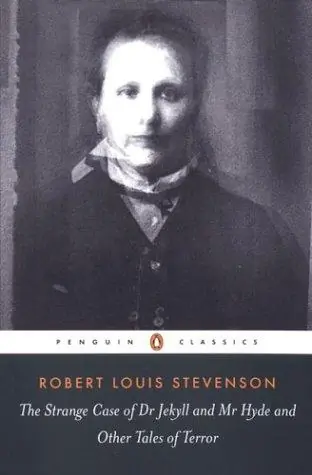
Strange Case of Dr Jekyll and Mr Hyde
Robert Louis Stevenson
1886
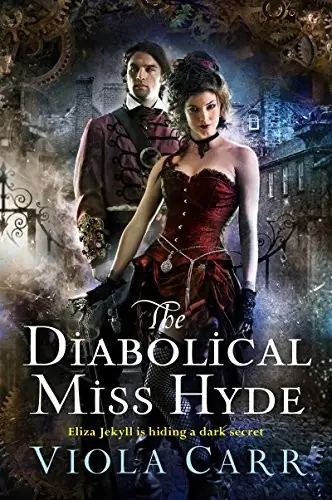
The Diabolical Miss Hyde
Viola Carr
2015
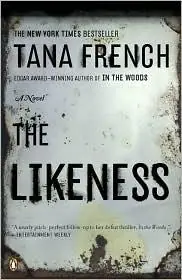
The Likeness
Tana French
2008
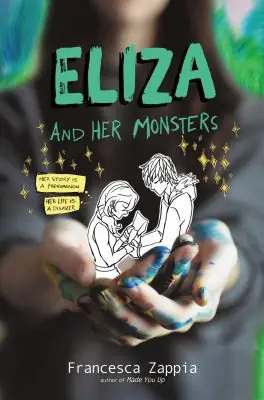
Eliza and Her Monsters
Francesca Zappia
2017
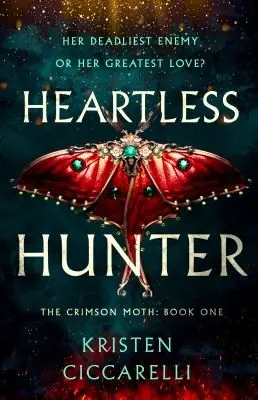
Heartless Hunter
Kristen Ciccarelli
2024
When the secret is only a twist
The common complaint is a secret revealed too neatly. If the hidden self is only a plot twist and never a person, the reader feels tricked instead of unsettled. Look for books where the second self has motives you can follow.
The other problem is moral blur. Some dual identity stories treat the hidden self as a licence for cruelty, and the book seems to enjoy it. That can work in a dark thriller, but check reviews if you prefer characters who stay recognisable from one chapter to the next.
Where to start
For the original, begin with “Strange Case of Dr Jekyll and Mr Hyde”, which is short enough to finish in an evening. For a warm, modern take, “Eliza and Her Monsters” is an easy entry. If you want a mystery with a double identity at its centre, go for “The Likeness”.
Looking for more secret lives?
39 books in the catalog. Add and exclude tropes, filter by genre and year.
Open in search
Frequently asked questions
What does dual identity mean in books?
It describes a character who lives under two identities, or keeps a hidden self apart from the one everyone sees. The tension comes from the gap between the two, and from the risk that someone will find out.
Is dual identity the same as a Jekyll and Hyde story?
Jekyll and Hyde is the most famous version, where one person has a respectable side and a violent one. The wider trope also covers secret identities, undercover work, and characters who build a second life online.
Do dual identity books always involve a crime?
Not always. Many are romances or coming-of-age stories where the secret is personal rather than criminal. Still, the risk of exposure keeps most of them tense.
Which dual identity book should I read first?
For the original idea, read Strange Case of Dr Jekyll and Mr Hyde. For a modern take that is easy to read, Eliza and Her Monsters follows a teenager with a hidden online identity.