 Eccentric Detective
An eccentric detective is a sleuth whose strange habits, social blind spots or private obsessions matter as much as their deduction. Readers also search for this as a quirky detective or a Sherlock type. For many people the character is the reason to pick up a mystery at all, even when the plot itself is ordinary.
The sleuth you remember
Most readers forget who did it within a year or two. The detective is what stays. A person who eats the same breakfast every morning, refuses to drive or keeps a cabinet of bones in the spare room gives the reader something to look forward to between clues. The puzzle carries the story, but the detective is the reason to spend an evening with it.
There is a plainer pleasure too. An odd sleuth notices what everyone else has stopped seeing, and the reader gets to follow along. Even when the final reveal catches you off guard, the route to it feels earned.
What makes a detective eccentric
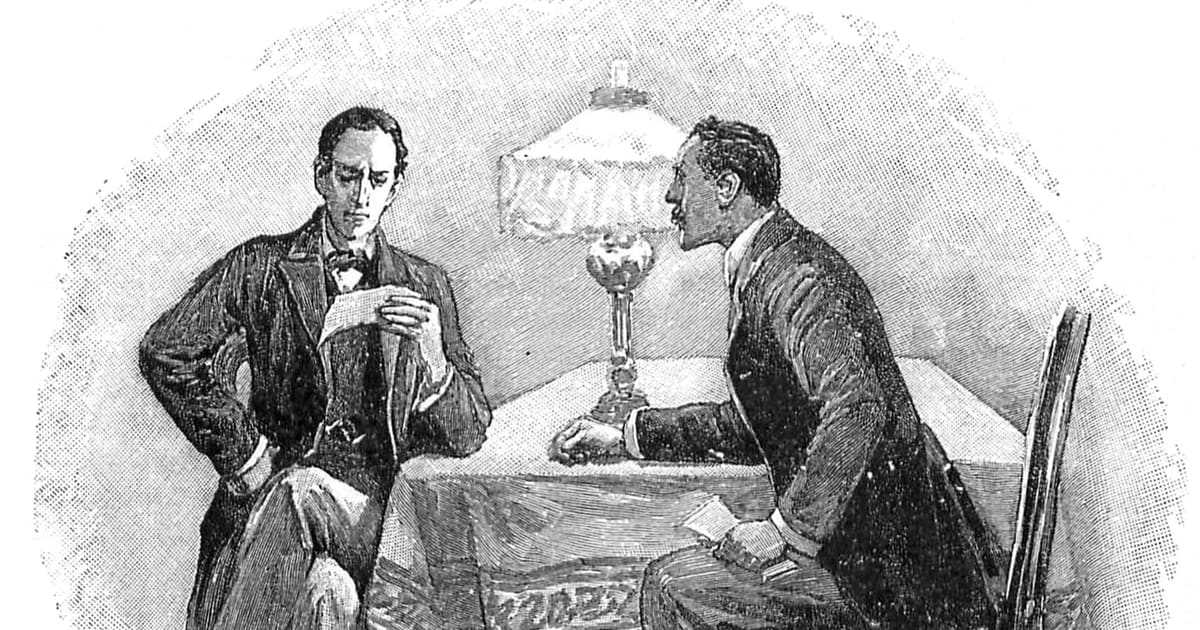
The trope usually draws on three things: a skill pushed further than normal, a habit that irritates the people around them, and a gap in social instinct. Sherlock Holmes has all three. Arthur Conan Doyle's twelve stories, gathered as “The Adventures of Sherlock Holmes” in 1892, follow London's most observant detective and his friend Dr Watson through impossible crimes, strange clients and quiet suburban mysteries.
Modern writers keep the mix and move the setting. The sleuth is often an outsider, such as a retiree, a child, a servant or someone whose job makes them easy to overlook. That position lets them see the house from the side nobody else looks at, and it gives the author room to let the detective be rude without losing the reader.
The trope travels well with others. An odd investigator can share a book with a found family of colleagues, or with a partner who does most of the translating between the detective and everyone else. Those pairings are often where the best scenes live.
Sleuths who are not police
Some of the most enjoyable recent books keep the detective outside the police altogether. In “The Thursday Murder Club”, four friends in a retirement village meet weekly to look over unsolved crimes until a murder happens on their doorstep, and they bring a lifetime's worth of skill and nosiness to the case.
“The Maid” follows Molly Gray, a hotel maid who likes everything neat and exact. She finds a wealthy guest dead in his bed, and her odd manner and a string of misunderstandings make the police treat her as the main suspect, so she begins her own careful investigation to clear her name.
“Vera Wong's Unsolicited Advice for Murderers” gives a quiet, failing tea shop in San Francisco's Chinatown a dead man on the floor. Vera decides the police will bungle it, takes charge of the case, and invites the victim's circle to tea, feeding and questioning them until the truth spills out.
Outside the catalog, Agatha Christie's Hercule Poirot is the other great template. The fussy Belgian detective, with his waxed moustache and faith in his "little grey cells", shows how far a very particular manner can carry a case.

The Adventures of Sherlock Holmes
Arthur Conan Doyle
1892
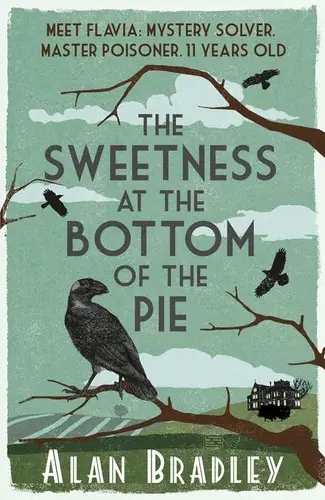
The Sweetness at the Bottom of the Pie
Alan Bradley
2009
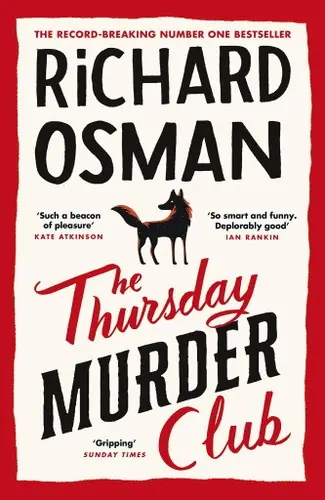
The Thursday Murder Club
Richard Osman
2020
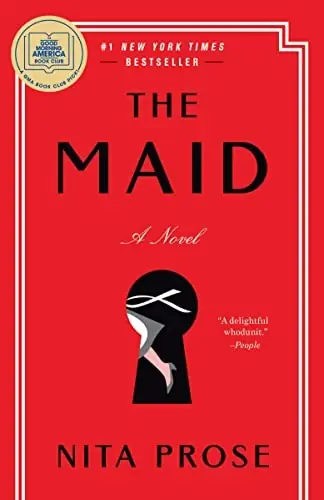
The Maid
Nita Prose
2022
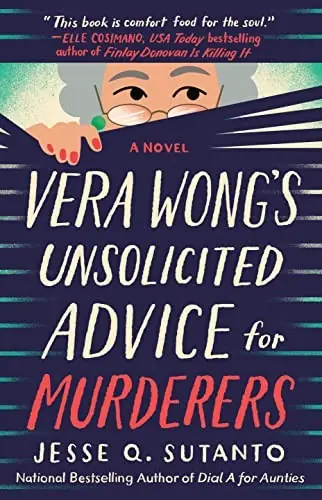
Vera Wong's Unsolicited Advice for Murderers
Jesse Q. Sutanto
2023
When the quirk is a costume
The main risk is that the quirk becomes a costume. If a detective's odd habits are only decoration, and every lucky break happens to fit their personality, the book starts to feel like a sitcom with a body count. Look for eccentricity that costs the character something, such as a strained friendship or a lost job.
Another complaint is condescension. A sharp detective who treats everyone around them as slow can wear thin over a full novel. A sample chapter is a sensible test before you commit to a series.
A quieter risk is brilliance hardening into formula. When every case ends with one flash of insight from a detective who is never wrong, the puzzle stops feeling like a puzzle. Books that let the detective miss a clue, stall for a chapter or admit a mistake hold up better on a reread.
Where to start
For the original template, begin with “The Adventures of Sherlock Holmes”. For something younger and funnier, “The Sweetness at the Bottom of the Pie” follows an eleven-year-old with a chemistry chest and a talent for poisons. For a contemporary pick, “The Thursday Murder Club” is the easiest entry, and “Vera Wong's Unsolicited Advice for Murderers” is a good second step.
Want more odd sleuths?
27 books in the catalog. Add and exclude tropes, filter by genre and year.
Open in search
Frequently asked questions
What does eccentric detective mean in books?
It describes a sleuth whose quirks are part of the story: unusual habits, odd routines, or a blunt way with other people. The eccentricity is not decoration. It often explains how the detective notices things other characters miss.
What is the difference between an eccentric detective and a cozy amateur sleuth?
An eccentric detective is defined by personality, while a cozy amateur sleuth is defined by setting and genre: a small town, a hobby, a circle of suspects. The two overlap often, and many cozy mysteries feature quirky investigators.
Are eccentric detective books only classics?
No. Sherlock Holmes set the template, but recent mysteries use retirees, hotel housekeepers, and tea shop owners as investigators. Modern versions tend to focus on how the character copes with ordinary life between the crimes.
Which eccentric detective book should I read first?
For the classic template, start with The Adventures of Sherlock Holmes. For a modern and easy read, The Thursday Murder Club is a good first pick. Both show clearly what the trope is about.