 Fake Dating
Fake dating is a story where two people pretend to be a couple — for a wedding, a favor, a job, or a family — and real feelings grow out of the act. Readers also call it the fake relationship trope, and the gap between what the characters show the world and what they start to feel is the whole point.
Why readers like it
Most romance needs a reason for two people to spend time together. Fake dating supplies one at once and makes it believable: a pair who would never choose each other suddenly have to hold hands, share a room, and answer questions about a future they are only acting out. The lie creates the closeness that a real courtship would have to earn much more slowly.
It also gives the reader two stories at once. On the surface the pair are performing for an audience. Underneath, every rehearsed line is measured against what the characters actually mean, and a touch that is only meant to look convincing can be the moment one of them stops pretending. The reader usually notices before they do.
The trope also arrives with a clock. Almost every fake relationship is temporary, tied to an event or a deal, so the reader knows the arrangement has to end. That deadline turns ordinary scenes into pressure.
How the trope works
The setup usually needs four parts:
- A reason to lie. A wedding, a reunion, a promotion, a pushy relative, or a public image that needs repairing.
- Rules. The pair agree on what the fake relationship includes and what it does not.
- Forced closeness. Shared rooms, family dinners, and public appearances make the act harder to keep apart from real life.
- A moment the act slips. One of them does something unplanned and kind, or a kiss stops being for show.
The best versions keep the lie specific. If the reason is flimsy, the pretending looks pointless and the feelings feel unearned.
Variations
- The fake date. One night at a wedding or an office party, often with an ex in the room.
- The fake engagement or fake marriage. The couple have to fool relatives, or a whole town, for much longer.
- The publicity romance. Two celebrities, or two rivals, stage a relationship for the press and their careers.
- The practice relationship. One character hires or asks someone to play a partner in order to learn how to date.
Fake dating often travels with other tropes. marriage of convenience is its close cousin when the arrangement is a wedding rather than a courtship, forced proximity supplies the closed space where the act cannot be dropped, and friends to lovers or enemies to lovers sets the starting temperature between the two.
Examples
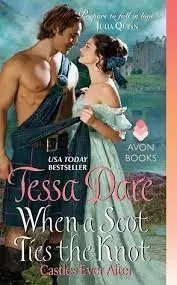
Historical romance uses the trope to solve the marriage market. In “The Duke and I”, a duke and a young woman who both want to be left alone agree to a fake courtship that improves her prospects and keeps mothers away from him. In “When a Scot Ties the Knot”, a shy young woman invents a fiancé to escape the season, and years later the man she made up arrives to claim her.
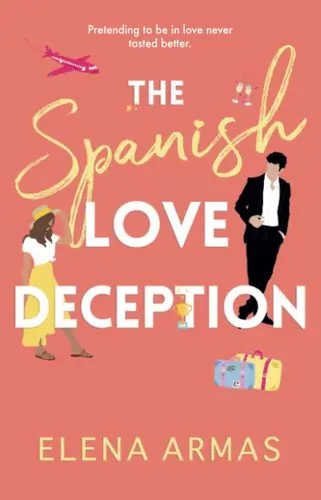
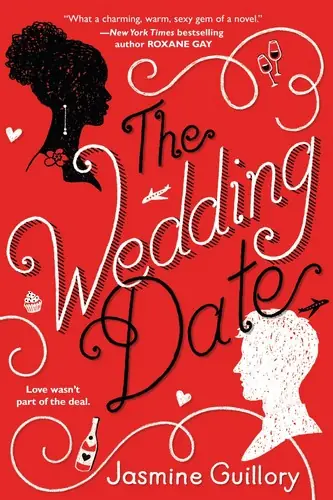
Contemporary romance leans on the wedding and the workplace. In “The Spanish Love Deception”, a woman needs a date for her sister's wedding and takes the colleague she cannot stand. “The Wedding Date” sends a woman to an ex's wedding as someone else's guest, and in “The Unhoneymooners” two people who dislike each other pose as a married couple on a honeymoon neither of them paid for, after the real newlyweds fall ill.
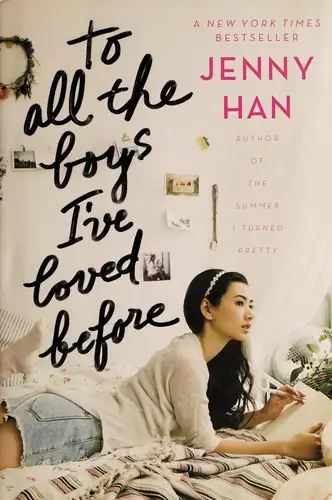
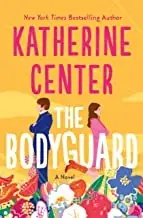
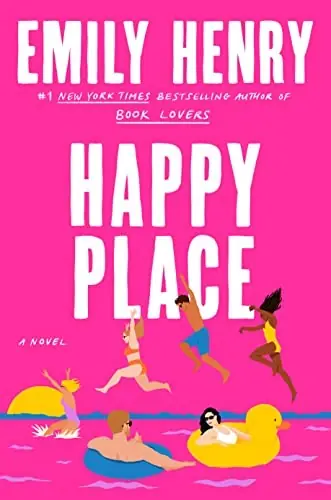
There are quieter versions too. “The Love Hypothesis” has a graduate student and a professor pretend to date so a friend will stop worrying. “To All the Boys I've Loved Before” uses a fake boyfriend to survive high school after private letters go out by mistake. “Boyfriend Material” and “Written in the Stars” show the same bargain between two men and between two women, “The Bodyguard” hides a bodyguard behind the word boyfriend, and in “Happy Place” a couple who have already broken up spend one last holiday pretending they are still together.
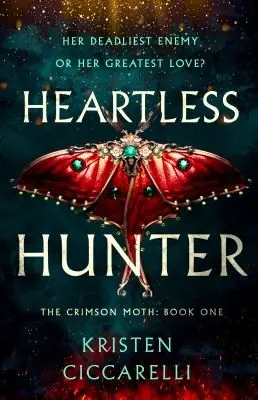
The trope works in fantasy as well. In “Heartless Hunter”, a witch in hiding courts the witch hunter who suspects her, and both of them are using the other.
Outside the catalog, the same idea runs through "The Seven Husbands of Evelyn Hugo" by Taylor Jenkins Reid, where a public marriage is arranged for reasons that have nothing to do with love, and "How to Fake It in Hollywood" by Ava Wilder, a modern romance built on a publicity couple.
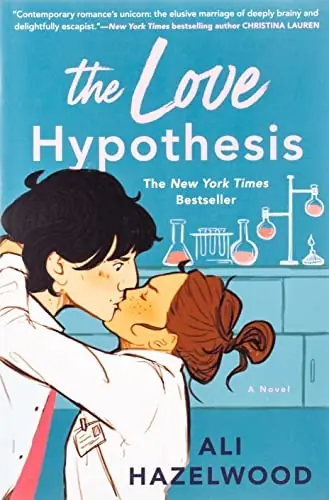
The Love Hypothesis
Ali Hazelwood
2021
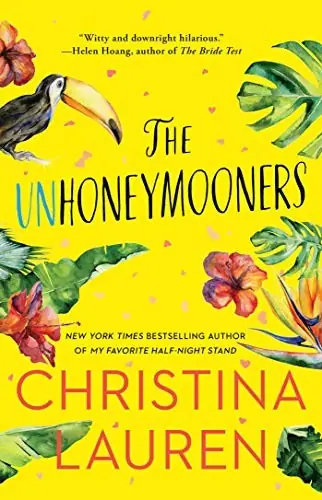
The Unhoneymooners
Christina Lauren
2019
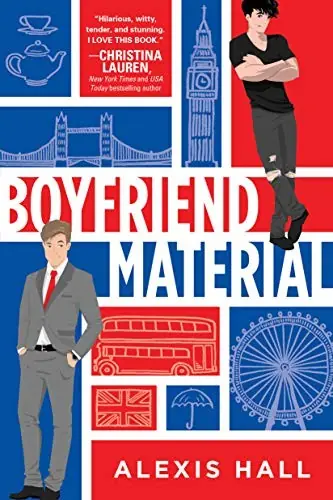
Boyfriend Material
Alexis Hall
2020
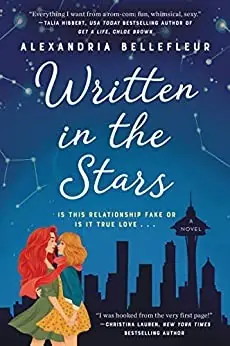
Written in the Stars
Alexandria Bellefleur
2020
What some readers dislike
- A lie no one would believe. If the characters could clear everything up with one honest sentence, the pretending feels forced.
- Feelings that arrive too fast. The turn from performance to love lands better when the pair have a reason to keep pretending and time to notice.
- The partner as a prop. Some readers dislike books where one character exists only to be shown off, or where the fake relationship is used to make an ex jealous with little care for the other person.
Where to start
If you want the classic version, start with “The Duke and I”. For a contemporary comedy, “The Love Hypothesis” is the usual entry point, and “Written in the Stars” is a good pick if you want a quieter, seasonal romance. If you would rather search by mood than by title, browse the catalog.
Find books with the “Fake Dating” trope
23 books in the catalog. Add and exclude tropes, filter by genre and year.
Open in search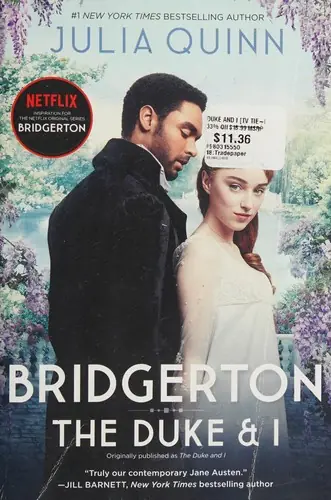
Frequently asked questions
What does fake dating mean in books?
It is a plot where two characters pretend to be a couple for a practical reason — a wedding, a family event, a job, or a public image — and then develop real feelings for each other.
What is the difference between fake dating and marriage of convenience?
In fake dating the couple only pretend, and there is usually no legal tie. In a marriage of convenience they actually marry, for money, status, or citizenship, and the romance grows inside the real marriage.
Why do readers like the fake relationship trope?
It gives two characters an immediate reason to be close, creates a built-in deadline, and lets every small gesture carry a double meaning as the act turns into something real.
Which fake dating book should I read first?
For a classic, try The Duke and I. For a contemporary romance, start with The Love Hypothesis, or pick Written in the Stars for a quieter holiday story.