 Faustian Bargain
A Faustian bargain is a plot in which a character trades something precious, most often their soul, in exchange for youth, talent or power. Readers also search for it as a deal with the devil or a pact with the devil, and the trope now appears in gothic novels, romantasy and quieter literary fiction. The name comes from the legendary German scholar Faust, but the basic bargain is far older.
The deal is the easy part
The trope works because the deal gives the character what they asked for. The scholar gets the knowledge, the musician gets the gift, the young man stays beautiful. The story then becomes a slow record of what that costs, and you keep reading to see when the bill arrives.
The structure also suits a protagonist who feels powerless at the start. The bargain is the first moment they take control, even if the control is an illusion.
Why the price matters more than the power
Good versions spend less time on the deal than on the years after it. The character starts out sure they have won, then notices small losses: a friend who no longer recognises them, a conscience that goes quiet, a talent bought at someone else's expense. Those details carry the emotion of the book.
Readers also enjoy the moral pressure. A Faustian story asks what you would give up and lets the character answer badly. That makes it a close cousin of morally grey character, where the central figure stays sympathetic while making bad choices.
It helps that the bargain is easy to imagine. Most readers have a private version of the question: what would you give for ten more years, or for a voice that fills a room? The book turns the daydream into a case study, and the answers rarely flatter the one who said yes.
Old templates
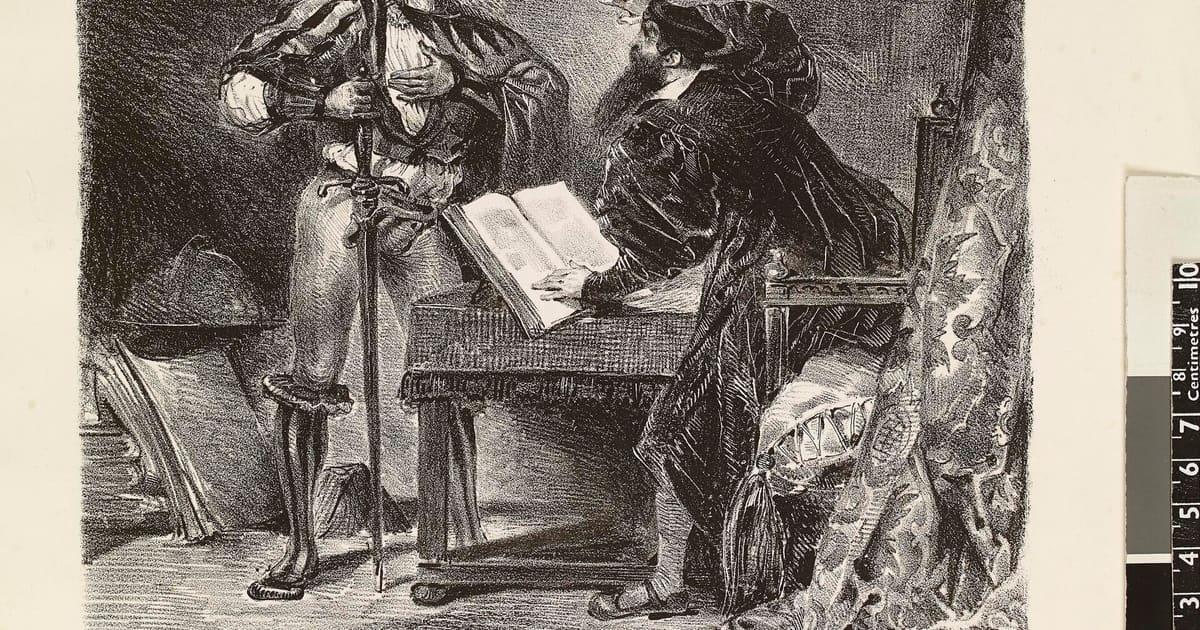
Goethe's “Faust” (1808) is the template many later writers draw on. A brilliant scholar, dissatisfied with everything he can learn, makes a wager with the devil Mephistopheles for a taste of true experience. What follows leads him to love, ruin and the limits of human striving. It is a verse tragedy, so expect poetry rather than plot-driven pace.
Oscar Wilde's “The Picture of Dorian Gray” (1890) moves the bargain into vanity. A beautiful young man watches his portrait age and wither in place of his body, and the hidden painting becomes a record of his cruelty. It is one of the cleanest examples of the trope, because the price is visible on the page long before the character admits it.
Outside the catalog, Christopher Marlowe's play Doctor Faustus, from the late sixteenth century, is the English version of the legend, and a shorter way into the story than Goethe.
Modern deals in fantasy and romantasy
Contemporary writers have made the bargain warmer and more personal. In “The Invisible Life of Addie LaRue”, a woman in 1714 France makes a desperate deal to live forever and is cursed to be forgotten by everyone she meets. For three hundred years she drifts through history unseen, until a young man in a New York bookshop tells her he remembers her.
“A Touch of Darkness” sits closer to romantasy. Persephone, a young journalist who wants an ordinary life away from her mother Demeter's plans, meets Hades, the god of the dead, at a nightclub and loses a wager that binds her to his realm.
“The Light from Uncommon Stars” is quieter. A violin teacher who sold her soul to a demon has one last student to deliver, and finds Katrina, a runaway trans girl with extraordinary talent, while a family of aliens runs a donut shop nearby. The lives intersect around music, kindness and second chances.
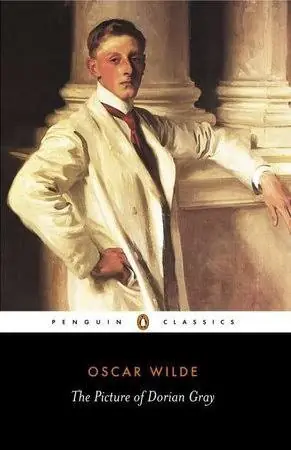
The Picture of Dorian Gray
Oscar Wilde
1890
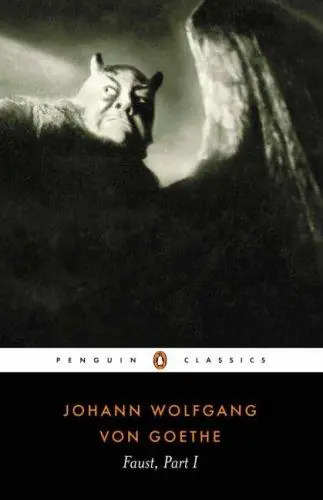
Faust
Johann Wolfgang von Goethe
1808
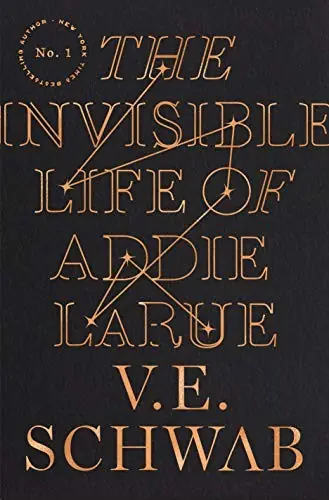
The Invisible Life of Addie LaRue
V. E. Schwab
2020
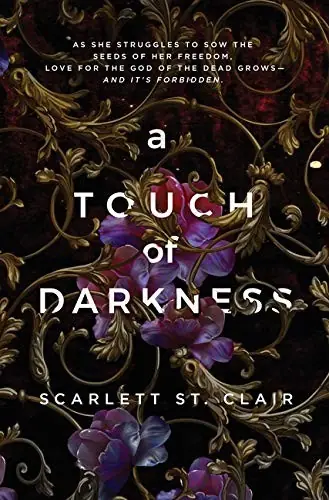
A Touch of Darkness
Scarlett St. Clair
2019

The Light from Uncommon Stars
Ryka Aoki
2021
When the price gets waived
The risk is that the deal becomes a plot device instead of a choice. If circumstance pushes the character into a contract and they have no real interest in the outcome, the trope loses its moral edge. The strongest books let the character want the bargain badly enough to walk into it knowingly.
A second problem is the cost cancelled by a neat reversal. If the price is undone near the end, readers can feel cheated. Books that sit with the consequences, even sad ones, tend to stay longer in the mind.
Where to start
For the original, begin with “Faust”, starting with the first part, which is the one most readers mean when they say Faustian. For a sharp, readable classic, “The Picture of Dorian Gray” is the easiest entry. If you want a modern deal with a long reach, try “The Invisible Life of Addie LaRue”, and “A Touch of Darkness” suits readers who like romance built into the bargain.
Looking for more deals with the devil?
11 books in the catalog. Add and exclude tropes, filter by genre and year.
Open in search
Frequently asked questions
What does Faustian bargain mean in books?
It is a plot in which a character makes a deal that gives them something they want, such as power, talent, or long life, at a price that usually turns out to be far higher than they expected. The name comes from Goethe's Faust, though the idea is much older.
Is a Faustian bargain the same as a deal with the devil?
Usually, yes. Deal with the devil is the everyday phrase, and Faustian bargain is the more literary term. Some books use a demon, a witch, or a court of fae in place of the devil, and the trope still applies.
Do Faustian bargain books always end badly for the character?
Not always, but the price is the point. Some books let the character pay in full, others find a way to soften the cost. Blurbs rarely reveal the ending, so check reviews if you want to know how the bargain is settled.
Which Faustian bargain book should I read first?
For the classic source, try Faust. For a modern take, Addie LaRue or A Touch of Darkness are good places to begin, and Dorian Gray is the sharpest short classic.