 Gothic Manor
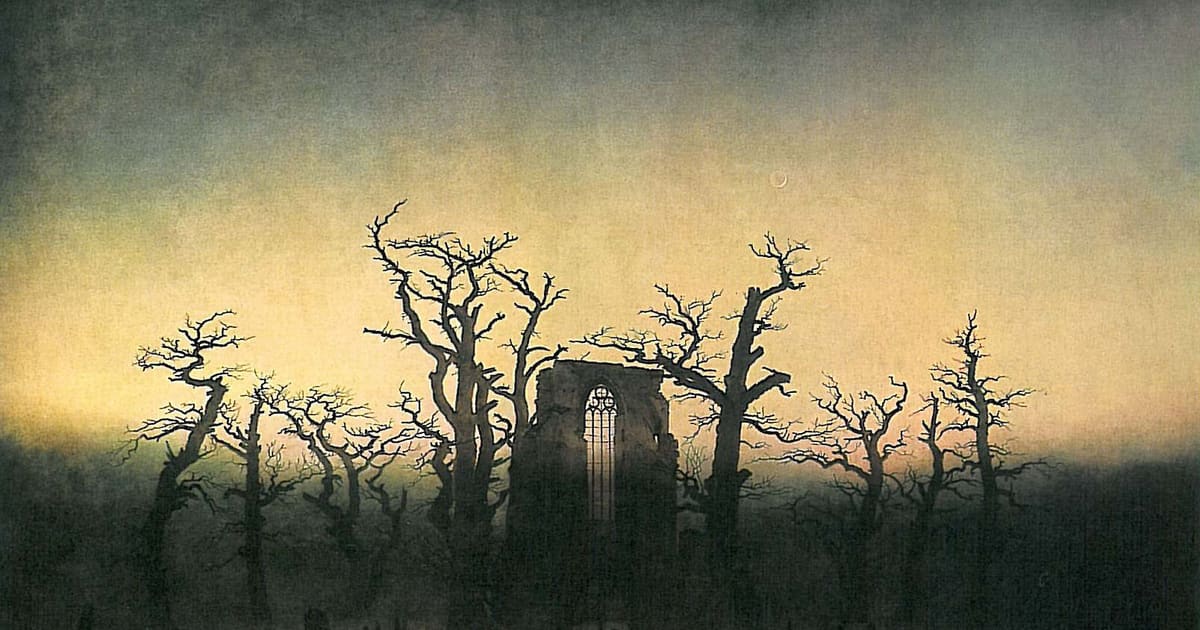
A gothic manor story is set in a grand old house, usually in the countryside, that is weighed down by buried family secrets, debt, and decay. Readers also search for it as a haunted manor, a creepy old house, or a house with secrets, and the trope turns up in Victorian classics, modern horror, and romantic suspense. In most of these books the house matters as much as any character.
Why the house gets to be the villain
A manor holds time in one place. Its wings were built by people who are dead, its rooms keep old arguments, and its locked doors guard records of who was wronged. The reader senses that the building knows more than the people living in it, and that gap gives the book its slow, uneasy pull.
There is also the trap. A house is hard to leave when money, a marriage, or a family name keeps the heroine inside. The walls become the edge of the plot, and every corridor is a question about the next door.
Architecture says something about class, too. A servants' staircase, a nursery at the top of the house, a ballroom shut for twenty years: these show who matters and who was never meant to be seen. A good author lets you read the hierarchy off the floor plan before anyone explains it.
How these plots usually unfold
A newcomer arrives, often a governess, a wife, a doctor, or a companion. The house is beautiful and slightly wrong. Servants whisper, a previous mistress is remembered a little too fondly, and small things go missing. As the newcomer uncovers what the family would rather bury, the house stops being a home and becomes a trap.
The best books keep the house specific. You should know where the stairs turn, which wing is closed, and which room nobody enters.
The one everybody measures against
Daphne du Maurier's “Rebecca”, published in 1938, is the template most readers have in mind. A shy young woman marries the widowed Maxim de Winter and arrives at Manderley, his grand estate by the sea, where she is measured against his first wife. Rebecca's presence lingers in every room and in the servants' loyalty, and the novel makes the house feel like a rival.
Sarah Waters's “The Little Stranger” works in a cooler register. In post-war England, a country doctor is drawn into the fading life of a once-grand family in a decaying mansion. The unease is social as much as supernatural, and the book never lets you settle on whether the trouble is a ghost or the people themselves.
Newer houses with sharper teeth
“Mexican Gothic” sends a socialite to a mountain mansion in 1950s Mexico to check on her newly married cousin. The English family that owns the house is cold and strange, and the house itself seems to be listening. It is the fastest of these books, and the setting carries real politics.
“What Moves the Dead” is T. Kingfisher's retelling of the Usher story: a visit to a decaying manor, a dying childhood friend, and animals in the countryside behaving oddly. It is short and darkly funny in places. “Belladonna” is the romantic one. Signa, passed between guardians who wanted her inheritance, reaches a household in mourning at Thorn Grove, where a ghost says she was poisoned, and Signa teams up with Death to find out who did it.
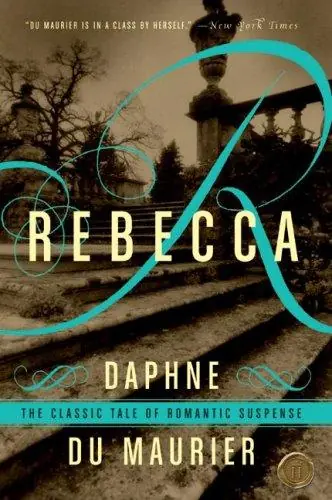
Rebecca
Daphne du Maurier
1938
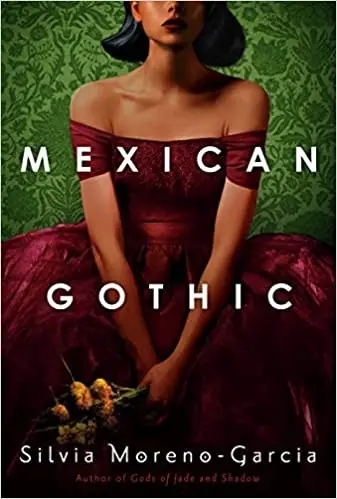
Mexican Gothic
Silvia Moreno-Garcia
2020
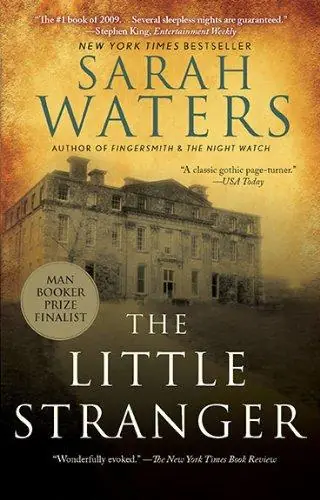
The Little Stranger
Sarah Waters
2009
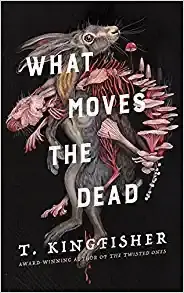
What Moves the Dead
T. Kingfisher
2022

Belladonna
Adalyn Grace
2022
When the creaking gets tiresome
Pacing is the main complaint. Gothic manor novels often start slowly, and a reader who wants a quick scare may find the first hundred pages heavy going. The atmosphere is the point, so read a sample before committing.
The other problem is the passive heroine. In many older books the house does the thinking for her. Newer novels give the protagonist more to do, but the classics can feel stiff if you expect a heroine who acts.
Which door to open first
For the classic, begin with “Rebecca”, still the benchmark. For something modern with a strong sense of place, “Mexican Gothic” is the easy, atmospheric choice. If you prefer a quieter, more psychological read, “The Little Stranger” rewards patience.
Want more houses with secrets?
30 books in the catalog. Add and exclude tropes, filter by genre and year.
Open in search
Frequently asked questions
What is a gothic manor in books?
It is a large, old house, often in the countryside, that carries the weight of its family's history. The building itself is part of the story: its rooms, locked doors, and crumbling wings reflect the secrets its residents keep.
Is gothic manor the same as a haunted house story?
Not always. Many gothic manor novels include ghosts, but the trope is really about the house as a place of inheritance, money trouble, and silence. The haunting can be psychological, social, or supernatural, or some mix of the three.
Do gothic manor books have to be set in the past?
No. Classic examples are Victorian or earlier, but recent novels place the manor in the 1950s, in the 1970s, or in the present. The setting changes, while the sense of a family trapped by its house stays the same.
Which gothic manor book should I read first?
For the classic version, Rebecca is the usual starting point. For a modern and absorbing read, Mexican Gothic has a strong sense of place and a fast plot.