 Heist
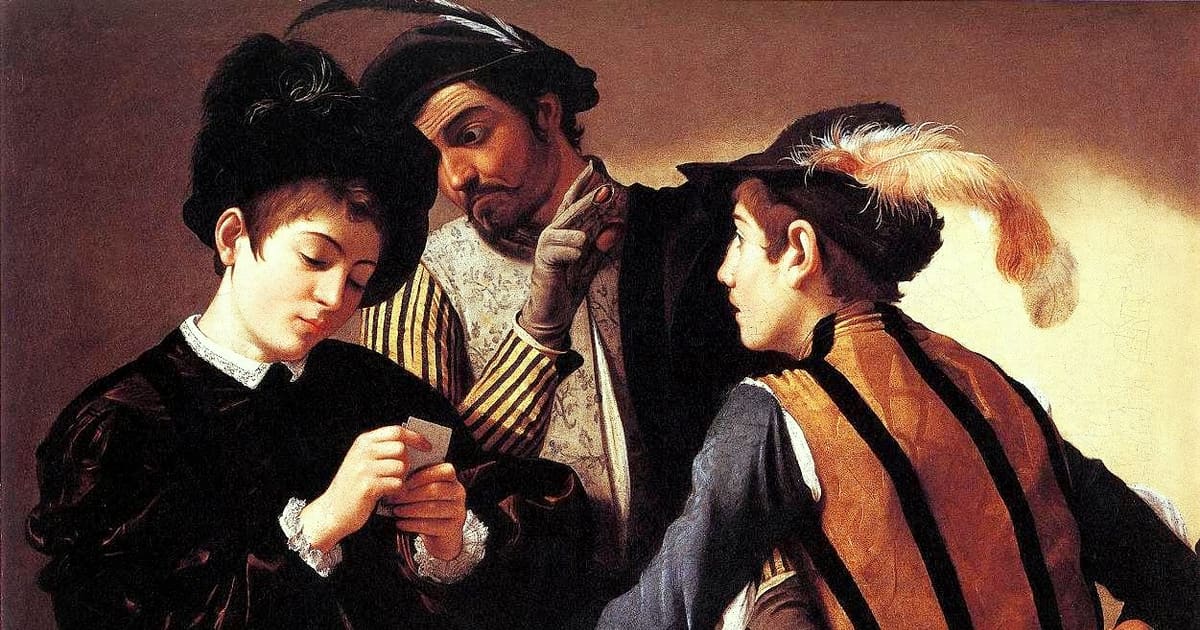
Heist books are stories built around one carefully planned theft. A crew comes together, studies a target that is supposed to be impossible to crack, and then tries to walk away with the prize while the plan falls apart around them. The older caper story works the same way, though the crime can be a swindle or a kidnapping rather than a straight robbery.
Why readers like heist books
A well-built heist is a puzzle with a pulse. The author shows the crew studying the vault, the timetable, and the guards, and the reader starts counting the ways it could fail. That tension between a tidy plan and a messy reality is the engine of the genre.
There is also the pleasure of competence. Heist crews are usually good at something specific, and watching them use those skills under pressure is satisfying in a way that a simple chase is not. Because the story follows the thieves rather than the police, readers end up hoping the criminals succeed, even when the target is not a villain. The crew often becomes a found family of sorts, held together by loyalty, old debts, or the shared knowledge that no one else would work with them.
What a heist story needs
Most heist novels share the same moving parts.
- A crew. Each member brings one skill: the planner, the muscle, the lockpicker or hacker, the person already inside the building, the con artist who talks the crew past the front door.
- A target. It should look secure enough that readers believe it cannot be done, whether it is a fortress, a bank vault, a casino, or a single locked room.
- A plan. The author explains enough for the reader to follow, then breaks it. The fun comes from watching the crew improvise when a detail changes.
- A complication. A betrayal, a guard who moves early, a partner with a private reason to be there. A plan is only as strong as the people holding it.
- A reason to act now. Many heists are framed as a last job: one more score, and then the thief is free.
Variations and neighbouring tropes
Heist sits close to several other tropes, and readers often look for them together.
- The con. Where a caper leans on a clever plan and a little force, the con leans on deception. A story about a gentleman thief or a trickster is usually more swindle than robbery.
- Fantasy and science-fiction heists. Magic or advanced technology changes what a crew can steal and how. These books often borrow the structure of a classic heist and then add a second set of rules.
- The puzzle. A locked room mystery asks how a crime was possible; a heist asks whether the crew can commit one. Both turn on fair clues and a solution the reader can follow.
- The crew as a family. Because the members have to trust each other, heists often double as a found family story, and the thieves are usually morally grey character rather than simply good or bad.
Examples
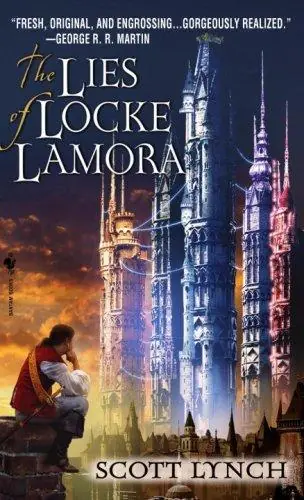
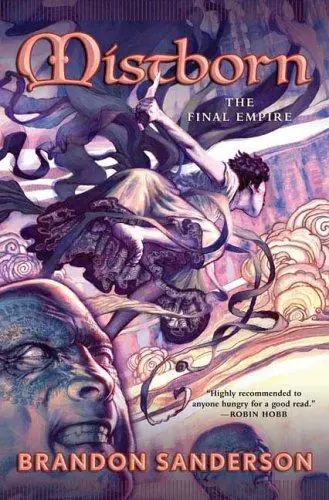
The clearest modern example is “Six of Crows” by Leigh Bardugo, in which a young criminal assembles six outcasts to break into a foreign prison that no one has ever escaped. “The Lies of Locke Lamora” by Scott Lynch follows a band of con artists in a city of canals who rob the nobility until a larger scheme catches up with them. “Mistborn: The Final Empire” by Brandon Sanderson uses the crew and the plan to frame a rebellion against an immortal ruler.
Classic and quieter picks sit alongside those:
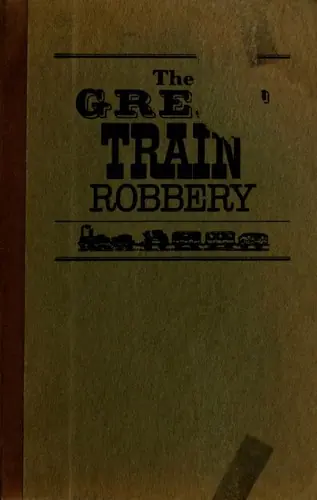
The Great Train Robbery
Michael Crichton
1975
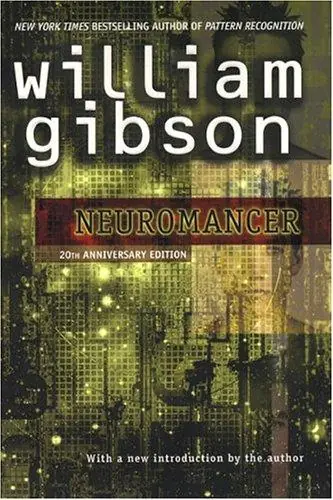
Neuromancer
William Gibson
1984
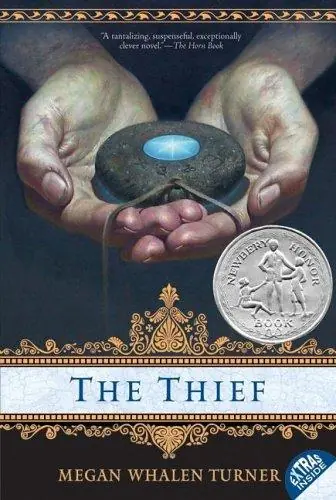
The Thief
Megan Whalen Turner
1996
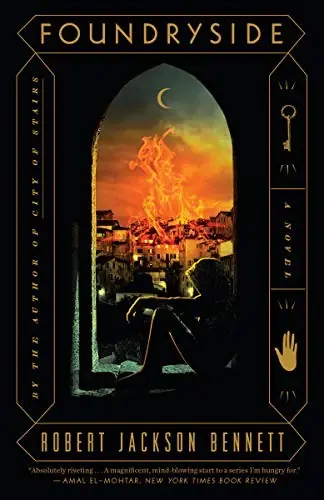
Foundryside
Robert Jackson Bennett
2018
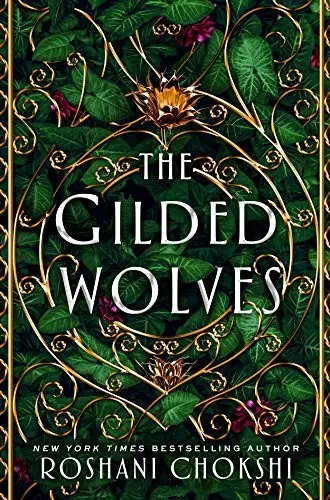
The Gilded Wolves
Roshani Chokshi
2019
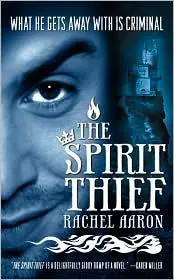
The Spirit Thief
Rachel Aaron
2010
Outside the catalog, The Hobbit by J.R.R. Tolkien is built on a company of dwarves and a hired burglar, and the comic Dortmunder novels of Donald E. Westlake show how often a heist turns into a farce.
What some readers dislike
Heists can go wrong on the page in a few predictable ways.
- A plan with no cost. If the crew walks in and out without losing anything, the tension was decoration.
- Interchangeable crew members. Every thief should be needed for a named reason; otherwise the team feels like filler.
- A surprise betrayal. A twist lands when the reader had clues. When it comes from nowhere, it feels like cheating.
- An ending that ignores the setup. Some readers want the clean getaway, others want the price paid. Either works if the book has earned it.
Where to start
If you want a fast, popular entry, start with “Six of Crows”. For a slower, funnier crime novel, try “The Lies of Locke Lamora”. If you would rather see magic and a full rebellion behind the job, “Mistborn: The Final Empire” is the obvious next step.
Looking for a heist without a revenge plot?
8 books in the catalog. Add and exclude tropes, filter by genre and year.
Search without “revenge”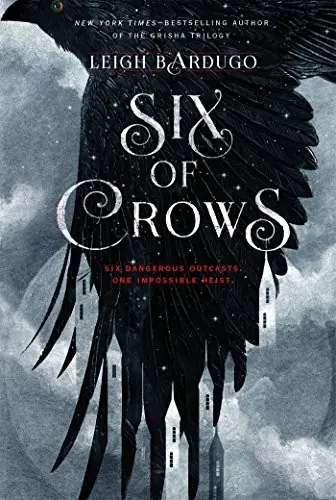
Whichever you pick, notice how the author handles the moment the plan breaks. That moment, more than the target or the loot, is what the trope is really about.
Frequently asked questions
What does heist mean in books?
A heist is a story built around one planned theft. A crew of specialists studies a target that should be impossible to rob, explains the plan to the reader, and then tries to carry it out while something goes wrong. The older term for the same idea is a caper story.
What is the difference between a heist and a con?
A heist is a robbery that depends on a physical plan and quick improvisation. A con is a swindle that depends on deception and a long game against a mark. Many books mix the two, and a crew often includes one member who works the con.
What should I read first?
For a modern, popular entry try Six of Crows by Leigh Bardugo. For a funnier crime novel set in a city of thieves, try The Lies of Locke Lamora by Scott Lynch. If you want magic and a rebellion behind the job, start with Mistborn by Brandon Sanderson.
Do heist books always end badly?
No. Early caper stories often had the crew fail, partly because old film codes insisted that criminals could not profit from crime. Modern heist novels are freer: some end with a clean getaway, others with a price paid. What stays constant is the tension around whether the plan holds.