 Hopepunk
Hopepunk is a label for stories that look at a bleak world and decide to be kind in it anyway. The characters are up against war, oppression, climate collapse, or plain bureaucracy, and the books care more about people who keep caring than about who wins the fight. Readers also search for it as hopepunk books or books with hopepunk, and it works more as a mood than a strict genre.
Where the word came from
The term is usually traced to a 2017 Tumblr post by the author Alexandra Rowland, written as a counterpart to grimdark. Grimdark treats cynicism and violence as the sensible default. Hopepunk asks what a story looks like when the characters refuse that default, and it treats kindness as a choice that takes effort, even a form of resistance.
Not everyone accepts the label. Some critics say it is too loose to count as a genre, and that is a fair complaint, since a book can be called hopepunk for very different reasons. Treat it as a signpost, not a promise about tone.
What a hopeful book looks like when the world is not
The shared feature is a community that holds up under pressure. The heroes build things: a household, a crew, a network of people who look after one another. A villain or a system makes ordinary decency expensive, and the story asks what it costs to keep showing up anyway.
The details run warm. A cup of tea, a repaired fence, a letter. Hopepunk often gives these moments more room than the big battle, which is why some readers find it more comforting than the label suggests.
Five books, five kinds of stubborn kindness
“The House in the Cerulean Sea” is the most approachable. Linus Baker is a lonely case worker sent to check on a remote island orphanage, and the inspection slowly becomes a choice between following the rules and protecting a family he has come to love. T. J. Klune is funny and sincere, and the hopepunk streak lies in how the book treats people others would dismiss.
“A Psalm for the Wild-Built” is slower and quieter. A tea monk who serves travellers on a distant moon meets a robot that has spent centuries in the wild, and the two travel together while the monk tries to answer the robot's question: what do people need? Becky Chambers writes at a patient, meditative pace. It is a book to rest in.
“The Light from Uncommon Stars” mixes tenderness with odd humour. A violin teacher who sold her soul to a demon has one last student to deliver, and she finds Katrina, a runaway trans girl with extraordinary talent, while a family of aliens runs a donut shop nearby. Ryka Aoki builds it around music, kindness, and second chances.
“The Calculating Stars” is the historical one. A meteorite strikes the American East Coast in 1952, and Elma York, a mathematician and pilot, calculates that the climate damage will make Earth unlivable. Mary Robinette Kowal sends her into the push for space and the fight to get women into the astronaut corps, and the book carries real anger alongside its optimism.
“A Half-Built Garden” is the most philosophical pick. In 2083 a pregnant diplomat meets alien visitors who want humanity to abandon Earth, and she argues for a future where people, fragile ecosystems, and the newcomers can share the planet. Ruthanna Emrys asks what consent and survival require when the answers are uncomfortable.
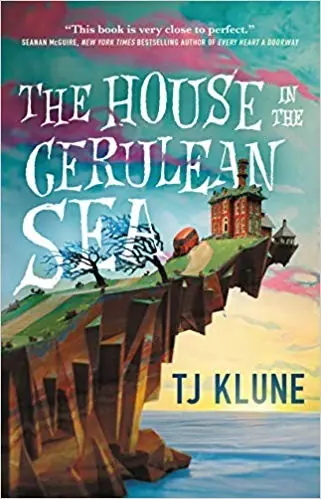
The House in the Cerulean Sea
T. J. Klune
2020
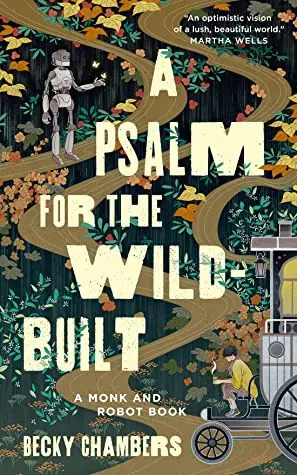
A Psalm for the Wild-Built
Becky Chambers
2021
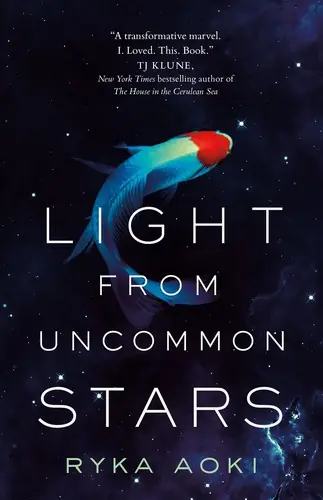
The Light from Uncommon Stars
Ryka Aoki
2021
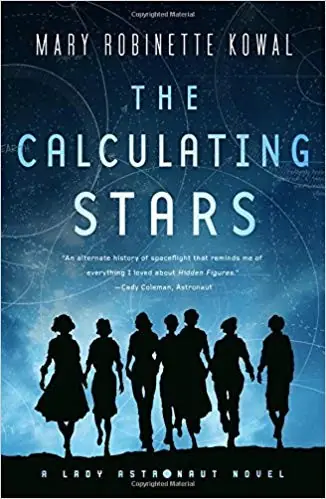
The Calculating Stars
Mary Robinette Kowal
2018
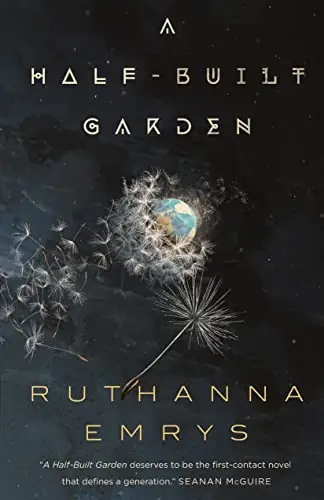
A Half-Built Garden
Ruthanna Emrys
2022
When the kindness goes soft
The biggest risk is sweetness without stakes. If nothing ever costs anything, the hope reads as wishful thinking, and readers who wanted a real fight feel let down. Good hopepunk lets its characters lose things and still choose kindness, which is harder to write and more satisfying to read.
The label also gets stretched. Some books are tagged hopepunk simply because the tone is friendly. If the tension sits in the first chapter and the rest is comfortable, you may have cozy fantasy instead.
Start with tea, or start with a meteorite
For a warm entry with a lot of heart, begin with “The House in the Cerulean Sea”. For something quieter, “A Psalm for the Wild-Built” suits a slow weekend. If you want hope that fights back against history, pick “The Calculating Stars”.
Find books with the “Hopepunk” trope
12 books in the catalog. Add and exclude tropes, filter by genre and year.
Open in search
Frequently asked questions
What does hopepunk mean in books?
It describes stories set in hard or unjust worlds where the characters choose kindness, community and resistance. The hope is earned through effort, not handed out, and the books usually show what caring for others costs.
How is hopepunk different from grimdark?
Grimdark tends to treat cruelty and cynicism as the realistic default. Hopepunk accepts that the world can be cruel, but puts its energy into people who refuse to become cruel themselves.
Is hopepunk the same as cozy fantasy?
Not quite. Cozy fantasy is mainly about comfort and a gentle pace. Hopepunk can be gentle, but many of its books deal with war, climate collapse or oppression, so the comfort has to be earned.
Which hopepunk book should I start with?
For a warm, funny story, try The House in the Cerulean Sea. For something quieter and philosophical, A Psalm for the Wild-Built is a good choice, and The Calculating Stars suits readers who like history and space.