 Magic Academy
Every magic academy seems to have a staircase that moves, a timetable nobody quite understands, and at least one student who should not be there. The magic academy trope places young characters, or young-minded adults, in a school where they learn to control power and then find out what it costs. Readers search for it as magic school books, academy fantasy, or school of magic, and the premise is the same whatever the label.
Why a school is the best way to explain magic
Magic is hard to show without a reason to explain it, and a school supplies one. There are lessons, exams, and a teacher who lays out the rules, so the reader learns the system at the same pace as the protagonist. A school also keeps the world a manageable size: one campus, a few corridors, a dormitory with an unpleasant roommate.
It brings a social map along with the spells. There are the top students, the scholarship kids, the rich ones with family rivalries, and the teachers with agendas of their own. A good magic academy is a small society with the cliques and cruelty of a real one, only with fireballs.
The usual shape of the school year
A protagonist arrives carrying a secret, a gift, or a grudge. The school sorts them, tests them, and hands them a group of peers. At first the lessons are the story. Sooner or later a bigger plot pushes through the classroom door: a prophecy, a war, a missing person, a rule someone has been quietly breaking.
Those early chapters are often the most fun. The reader watches the hero fail a spell, make a friend in the wrong place, and learn that the school's rules are closer to suggestions.
Five schools worth enrolling in
“Nevermoor: The Trials of Morrigan Crow” is the cheerful entry. Morrigan Crow is blamed for every misfortune and is marked to die on her eleventh birthday. Instead she is spirited away to the secret city of Nevermoor to compete for a place in an exclusive society. Jessica Townsend's trials are the best part, because they feel like a whole school year squeezed into a few hard weeks.
“A Deadly Education” is for readers who like danger with their timetable. The Scholomance has no teachers, and monsters pick students off between lessons. Naomi Novik makes Galadriel "El" Higgins prickly and funny, and the school reads as a trap and a survival puzzle at once.
“The Poppy War” takes the opposite route, with an academy that works like a military machine. Rin, a war orphan from the impoverished south, tests into Sinegard and discovers a shamanic power tied to the gods. R. F. Kuang is unflinching about the cost. It is a brutal read, and the school is only the first stop.
“The Magicians” is for readers who grew up on school stories and want to know what comes after. Quentin Coldwater is recruited to a hidden college of magic in upstate New York, where years of study leave him restless. When he and his friends find a way into Fillory, the enchanted land from his childhood books, its dangers turn out to be very real.
“Fourth Wing” is the war college version, with a deadly rider quadrant where cadets die and dragons choose their riders. Rebecca Yarros mixes the school with heavy romance, so it is a common stop for readers working through romantasy.
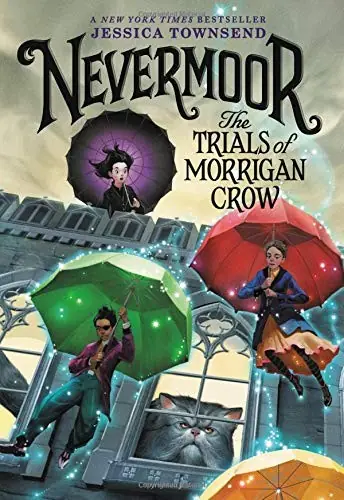
Nevermoor: The Trials of Morrigan Crow
Jessica Townsend
2017
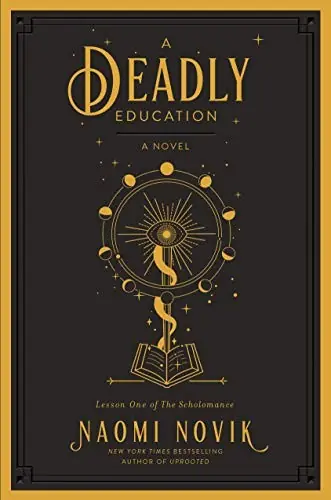
A Deadly Education
Naomi Novik
2020
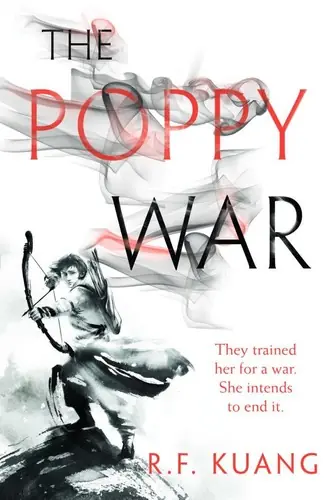
The Poppy War
R. F. Kuang
2018
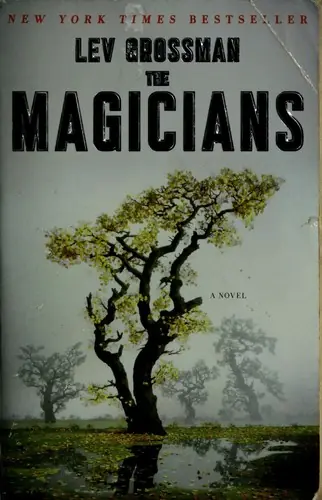
The Magicians
Lev Grossman
2009
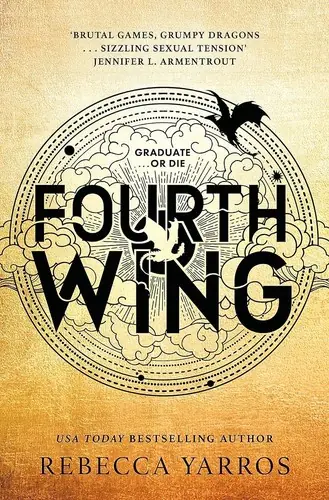
Fourth Wing
Rebecca Yarros
2023
Outside the catalog, Rachel Hawkins's Hex Hall (2010) sends Sophie Mercer to Hecate Hall, a school for magical teens who have got into trouble. It is lighter and snarkier than most of this list.
When the school stops being a school
The common complaint is that classes fade out, tests become convenient, and teachers exist only to deliver exposition. Readers who loved the timetable feel shortchanged when the plot pulls away from the classroom for good. For many people the school is the whole appeal, so losing it is a real loss.
The other problem is power creep. When every student has a rare gift, the stakes flatten and the most talented character is never really at risk. A story that stays tied to specific lessons, rivalries, and rules usually holds up better than one where the school is a backdrop for the apocalypse.
Pick a school by how much danger you want
For a warm, rule-driven story, start with “Nevermoor: The Trials of Morrigan Crow”. For danger and dark humour, “A Deadly Education” is the sharp pick. Adults who want the school to bite back will get the most from “The Magicians”, and “The Poppy War” is for when you are ready for something heavier.
Find books with the “Magic Academy” trope
17 books in the catalog. Add and exclude tropes, filter by genre and year.
Open in search
Frequently asked questions
What does magic academy mean in books?
It is a fantasy story set at a school or college where characters are trained to use magic. Lessons, exams and rivalries drive the early chapters, and the wider plot usually arrives through the school's walls.
What is the difference between a magic academy and dark academia?
Magic academy stories are fantasy, with spells and creatures as part of the curriculum. Dark academia is about an intense, often elitist school and the ideas that tear its students apart, and it can have no magic at all.
Are magic academy books only for young readers?
No. Many are written for teens, but there are plenty of adult examples, from grim military schools to hidden colleges with grown-up problems. The age range is listed in most blurbs.
Which magic academy book should I read first?
For a playful start, try Nevermoor. For danger and dark humour, A Deadly Education is a strong pick. Readers who want a sharper, adult tone often begin with The Magicians.